01
Running is who I am跑步就是我
Not a method and not a hobby. A long run is a conversation with myself. I keep running so my cells remember who I am.它不是方法,也不是爱好。一次长距离,是我和自己的一场对话。我持续奔跑,是为了让细胞记住我是谁。
Index目录
I · Races & mountains赛事与山
Mt. Fuji, 2013–2023富士山 2013–2023 003 · UTMF 2018 004 · Shinetsu 2019信越五岳 2019 005 · Hasetsune ×18长谷川 ×18II · Mind心态
The Great Wall长城IV · Food & fuel饮食与能量
A tin of olive oil一罐橄榄油V · Company on the road路上的同行者
People on the road路上的人 The boy who walked the desert走过沙漠的男孩 Before the first run开跑之前VII · Toward 60走向 60
A path that never retires · soon一条永不退休的路 · 即将Since 2004 · Tokyo2004 年起 · 东京
Mid-fifties. Asking what all of it is for.
These are my field notes.五十多岁。在问:这一切是为了什么。
这里是我的野外笔记。
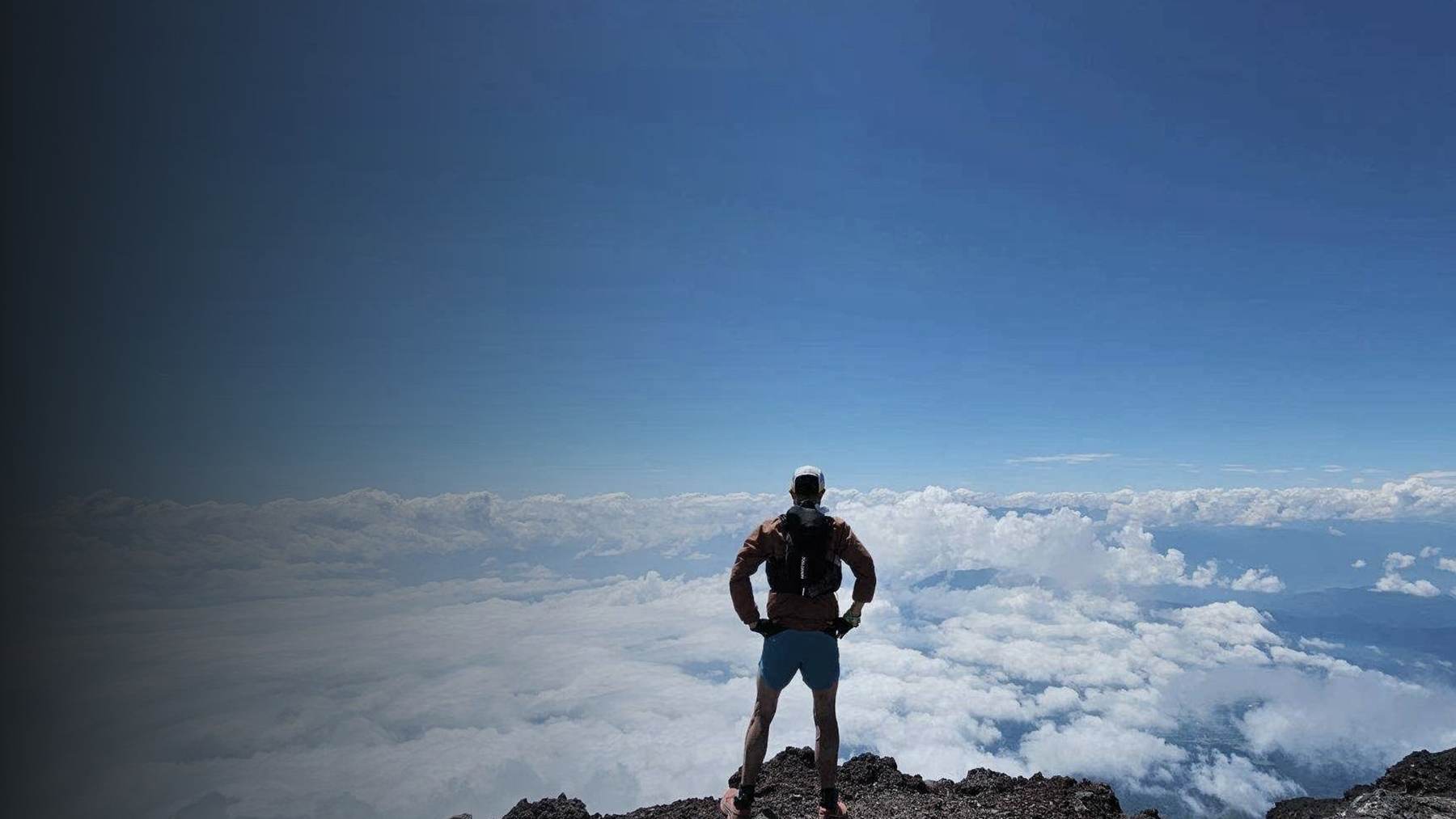
26 Aug 2017 · one push · 70.6 km · +3,619 m2017.8.26 · 一口气 · 70.6 公里 · 累计爬升 3,619 米
Race count includes the virtual races I kept running through the pandemic years. Every number here is from my own Garmin log and race records.完赛场次包含疫情期间坚持跑完的线上赛。所有数字都来自我自己的 Garmin 记录和比赛成绩。
In brief简介
2004
Started running after a setback, to clear the head. Never stopped. Running became a state, not a hobby.一次挫败之后出门跑步,只为放空。从此没有停下。跑步不是爱好,是一种状态。
2014
First trail. Road running is two-dimensional; trail adds a third. More variables, more honesty.第一次越野。路跑是二维的,越野是三维的。变量更多,也更诚实。
2018
First 100 miles: UTMF, 44:41:44. A three-year-old son’s shoe tied to the pack.第一个百英里:UTMF,44:41:44。背包上挂着儿子三岁时的小鞋子。
0 kcal
The keto run: 42 km and 2,000 m of climbing with no calories taken on the way. Fat-adapted, 18:6 every day.生酮跑:42 公里、爬升 2,000 米,途中零热量补给。燃脂适应,每天 18:6。
18×
Hasetsune, 71.5 km, self-navigated. A ritual before every big race.长谷川杯 71.5 公里,自导航完成 18 次。每次大赛前的固定仪式。
ISSA · PMP
Certified running coach, nutrition coach, DNA-based program designer. Project manager by training. General knowledge first, then the experiment.ISSA 认证跑步教练、营养教练、基因训练设计师;项目管理出身。先有通用知识,再做实验。
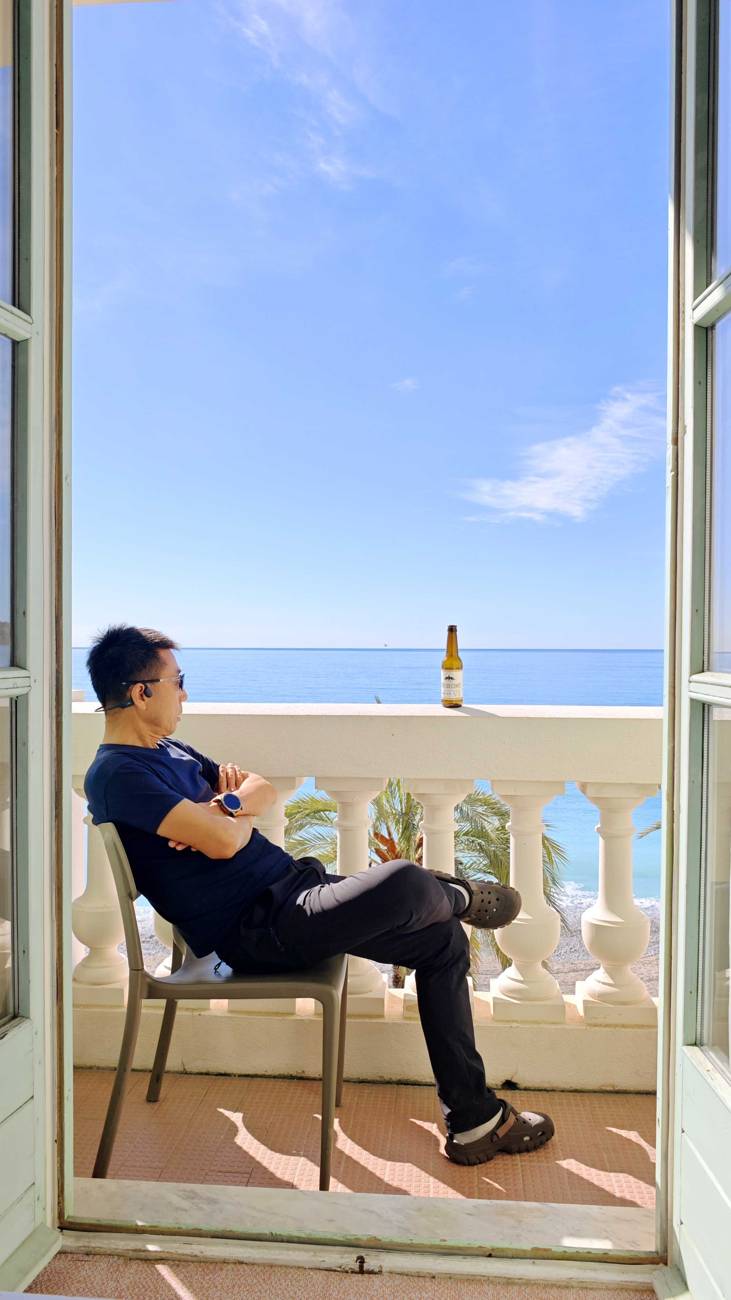
Between the races比赛与比赛之间
Most of the search happens when I stop running.大部分的追寻,发生在我停下脚步的时候。
A hundred finish lines taught me how far I can go. Sitting by a window, facing the sea, I ask the harder question: what is all this distance for? Stillness is training too.一百多次冲线,告诉了我能跑多远。坐在窗前、面对大海,我问的是更难的问题:这么多的距离,到底是为了什么?静止,也是一种训练。
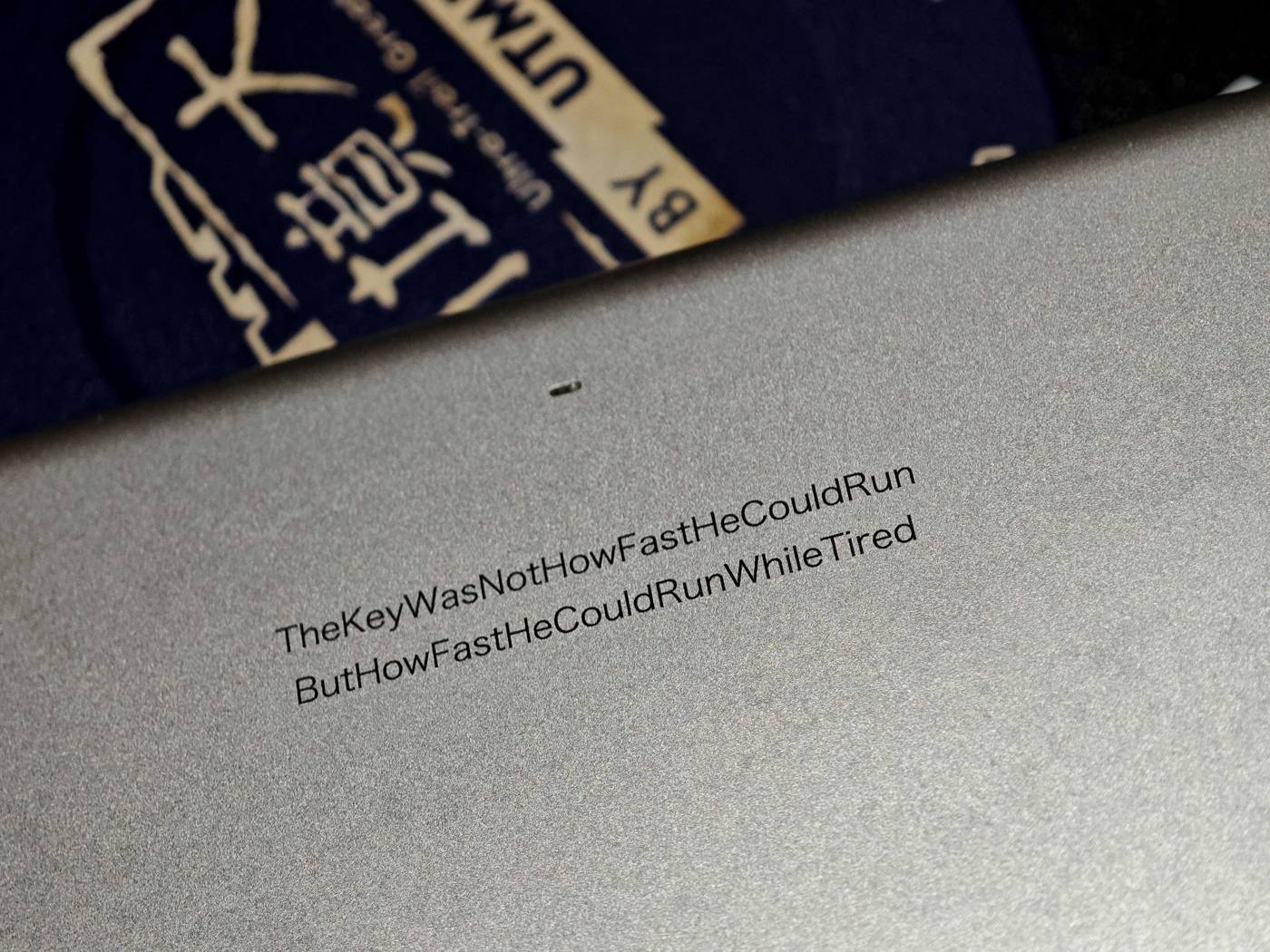
Engraved on my iPad, more than ten years ago十多年前,刻在我的 iPad 背面
The key was not how fast he could run, but how fast he could run while tired.
I took it from Haruki Murakami’s What I Talk About When I Talk About Running, where he writes about his 100 km ultra at Lake Saroma. I engraved it before I ever ran a trail. The iPad no longer works. I keep it anyway.关键不在于能跑多快,而在于疲惫时还能跑多快。这句话来自村上春树的《当我谈跑步时,我谈些什么》,他在书中写到自己跑佐吕间湖 100 公里超马的经历。我在开始越野跑之前就把它刻了上去。那台 iPad 早已不能用了,但我一直留着。
How to read these notes怎么读这些笔记
Everything here was tested on one body: mine. I start from general knowledge, as a certified running coach, nutrition coach and DNA-based program designer, and as a project manager. Then I experiment, make errors, correct them, and keep only what works for me. The keto run, one meal a day, racing in shorts at zero degrees: they fit me. They are not a prescription for you. I share the experience, not a method.这里的一切,都只在一个身体上测试过:我自己的。我从通用知识出发,作为认证跑步教练、营养教练、基于基因的训练设计师,以及一名项目经理;然后去实验、犯错、纠错,只留下真正适合我的东西。生酮跑、一日一餐、零度天穿短裤比赛,这些适合我,但不是给你的处方。我分享的是体验,不是方法。
What I believe我的理念
01
Not a method and not a hobby. A long run is a conversation with myself. I keep running so my cells remember who I am.它不是方法,也不是爱好。一次长距离,是我和自己的一场对话。我持续奔跑,是为了让细胞记住我是谁。
02
Lifespan is how long you live. Healthspan is how long you live well. Peakspan is how long you stay at 90% of your best. That is the number I care about.寿命是活多久,健康寿命是健康地活多久。巅峰寿命,是你能在自己最佳状态的 90% 以上停留多久。我在意的是这个数字。
03
For twenty years in IT, work paid the bills and running kept me whole. Now the two have started to converge. I want to make that permanent.在 IT 行业的二十年里,工作负责养家,跑步让我保持完整。现在两者开始汇合。我想让这种汇合成为永久。
走った道は裏切らない · The road you have run never betrays you.跑过的路,不会背叛你。
Threads · 7 lines of one life叙事线 · 一个人的 7 条线
I · Races & mountains赛事与山
II · Mind心态
III · Longevity长寿
IV · Food & fuel饮食与能量
V · People人
VI · Seeing the world看世界
VII · Toward 60走向 60
Food & fuel · Note 001饮食与能量 · 第 001 篇
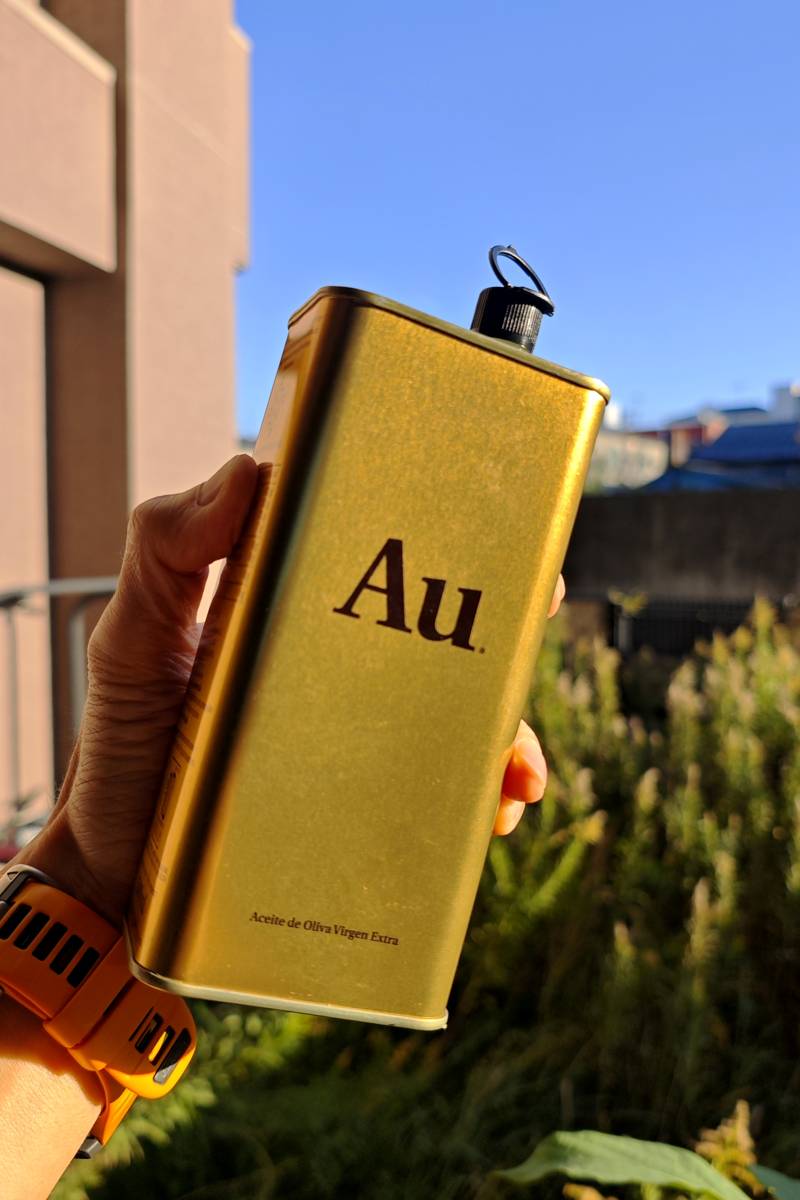
A gift from Lidiya in Barcelona. An early-harvest Picual from Jaén. Why a tin beats glass, what that peppery sting in the throat means, and why this is an oil to drink daily rather than to collect.巴塞罗那的朋友 Lidiya 所赠。一款来自哈恩的早采 Picual。为什么铁罐胜过玻璃瓶,喉咙里那一下辛辣意味着什么,以及为什么它适合每天生饮,而不是收藏。
Read the note阅读全文 →Reading · the shelf阅读 · 书架
Reading now正在读
ProtocolsAn Operating Manual for the Human BodyAndrew D. Huberman · 2026Read读过
LifespanWhy We Age, and Why We Don't Have ToDavid A. Sinclair · 2019Read读过
What I Talk About When I Talk About RunningThe source of the iPad lineHaruki MurakamiMore to come陆续添加
Reading is one of the parallel paths toward a life that never retires. The general knowledge, read widely. Then each protocol is run on one body, and what holds up stays. Notes on each book will follow: what held up, what did not.读书是通往「永不退休」的几条并行之路之一。通用的知识,广泛地读。然后把每一个方案在一具身体上跑一遍,站得住的留下来。每本书的笔记会陆续写出:哪些站得住,哪些没有。
Mt. Fuji · 2013 to 2023富士山 · 2013 至 2023
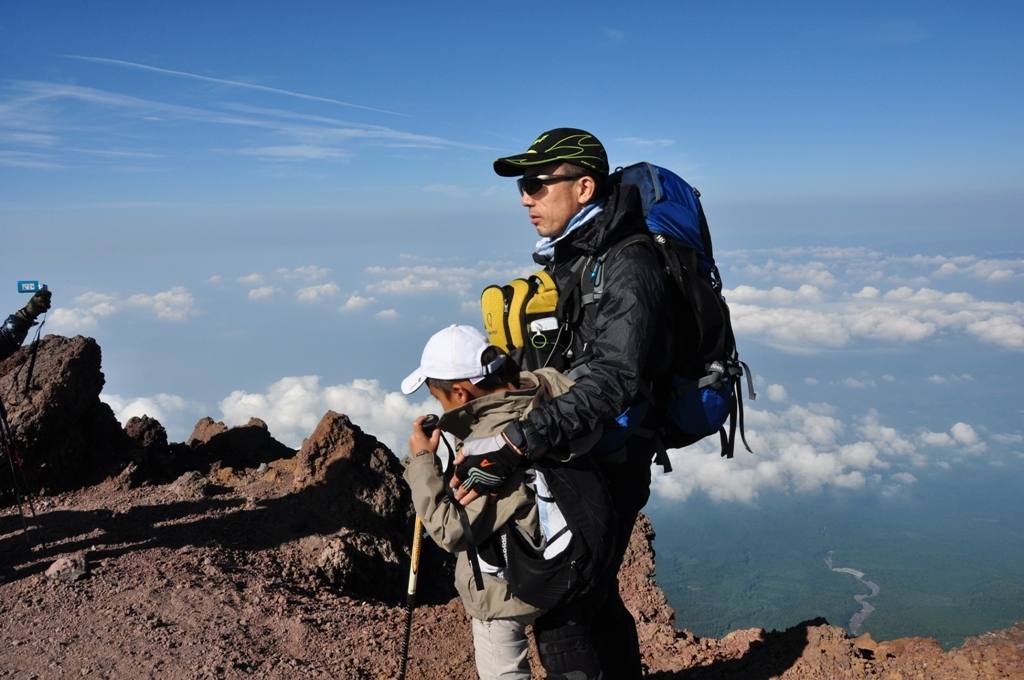
Aug 2013
My son was seven. The beginning of everything that followed.那年儿子七岁。后来的一切都从这里开始。
2014 – 2015
4:32:48 on the road. 19:44:19 on the trail.公路 4:32:48,越野 19:44:19。
2016
I stopped for a photograph of the sea of clouds and missed a cut-off. I do not regret the photograph.我停下来拍云海,错过了关门时间。那张照片,我不后悔。
Aug 2017
Suruga Bay at 0 m to 3,776 m, then down to Kawaguchiko. 70.6 km in one push.从骏河湾 0 米到 3,776 米,再下到河口湖。一口气 70.6 公里。
2018 – 2022
44:41:44 in 2018, 42:08:20 in 2022. The virtual UTMF in 2021, when the real one was cancelled.2018 年 44:41:44,2022 年 42:08:20。2021 年正式赛取消,我跑完了线上 UTMF。
2023
Slower, and on purpose. Same mountain. Different questions.更慢,而且是有意的。同一座山,不同的问题。
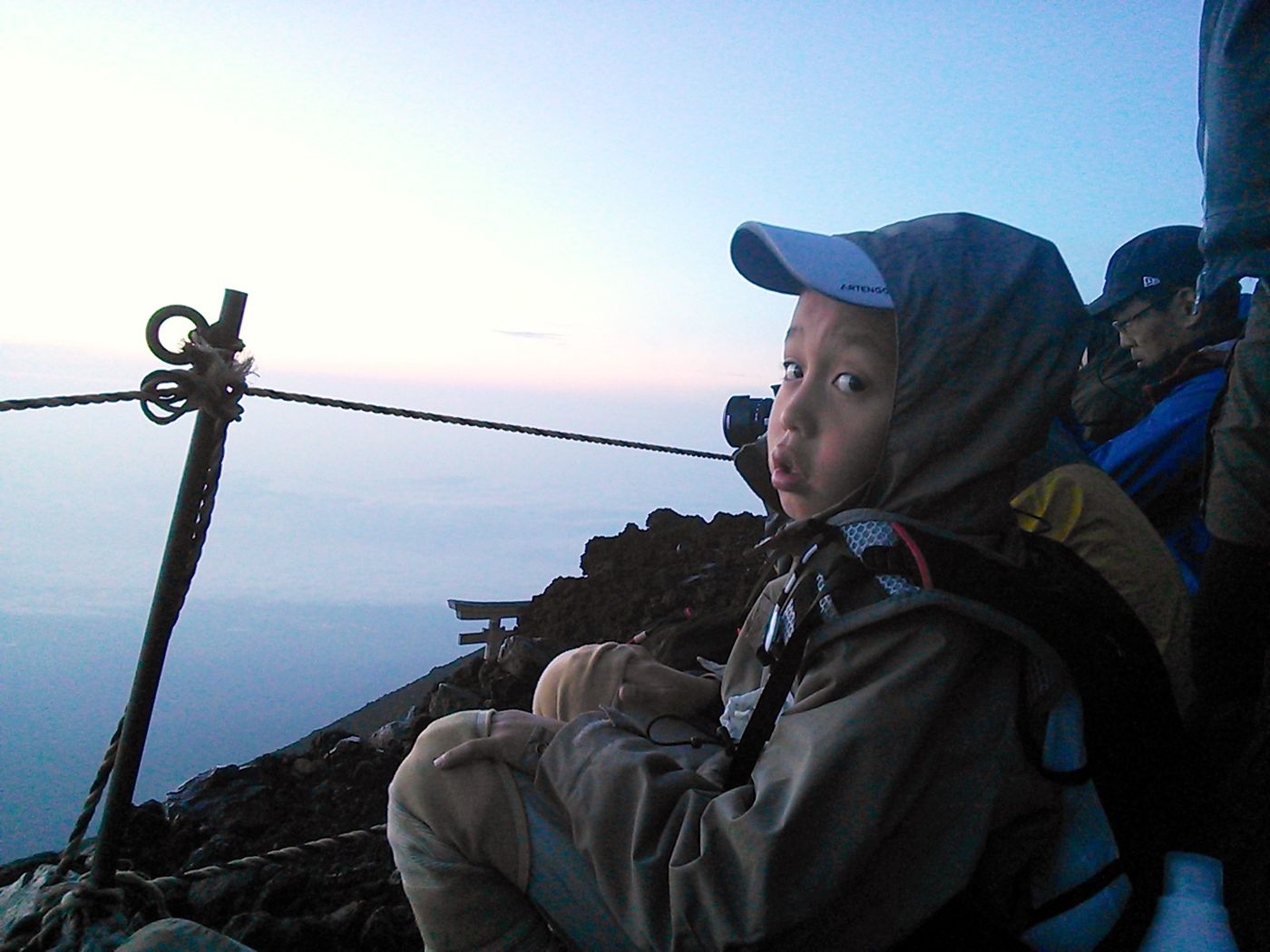
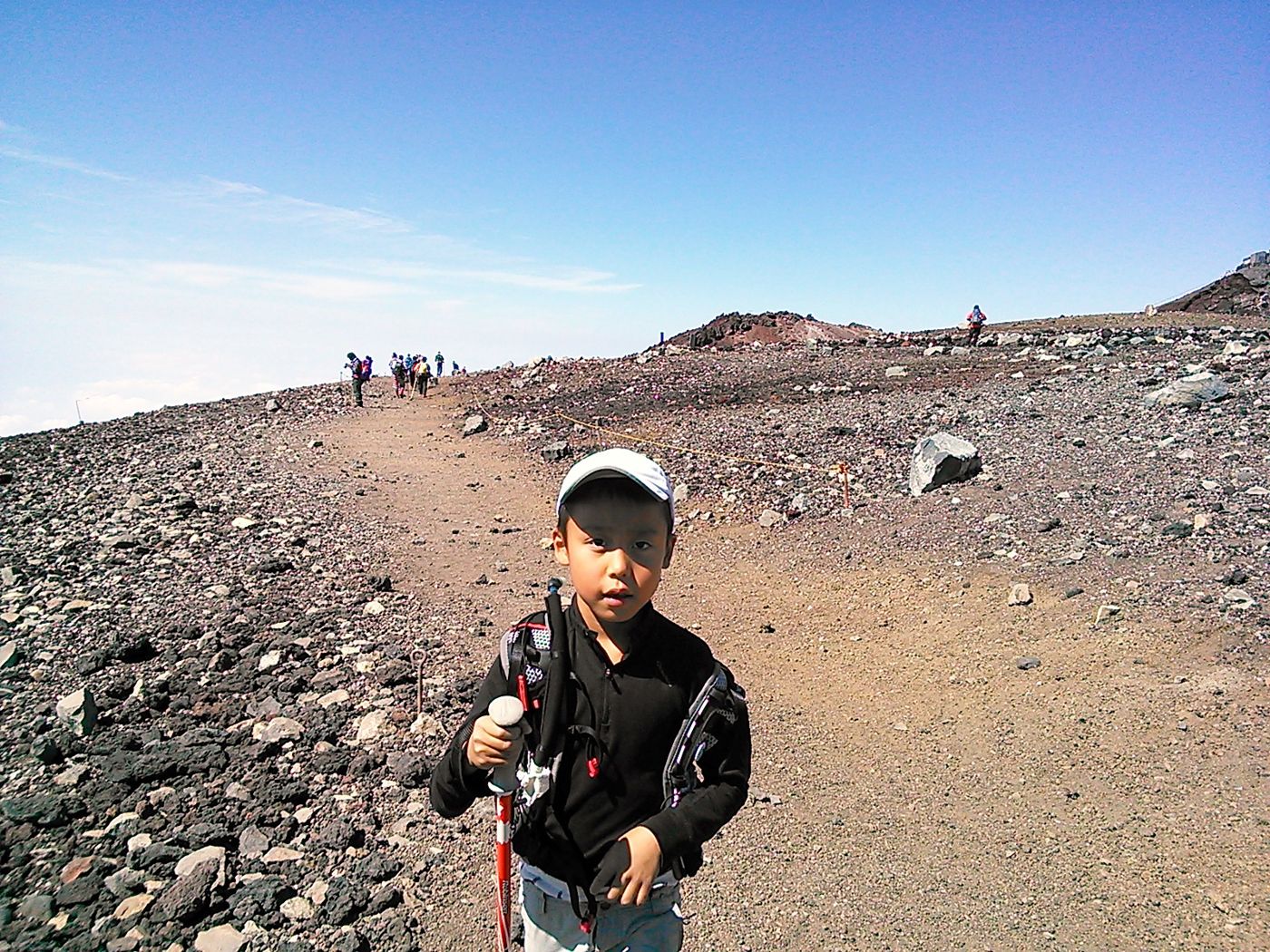
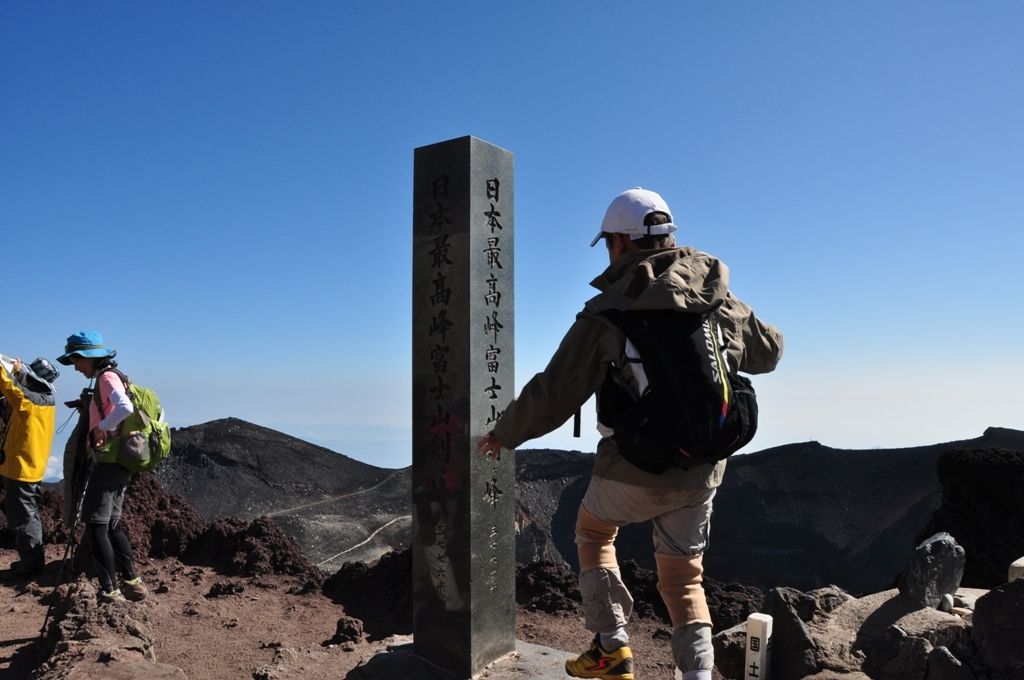
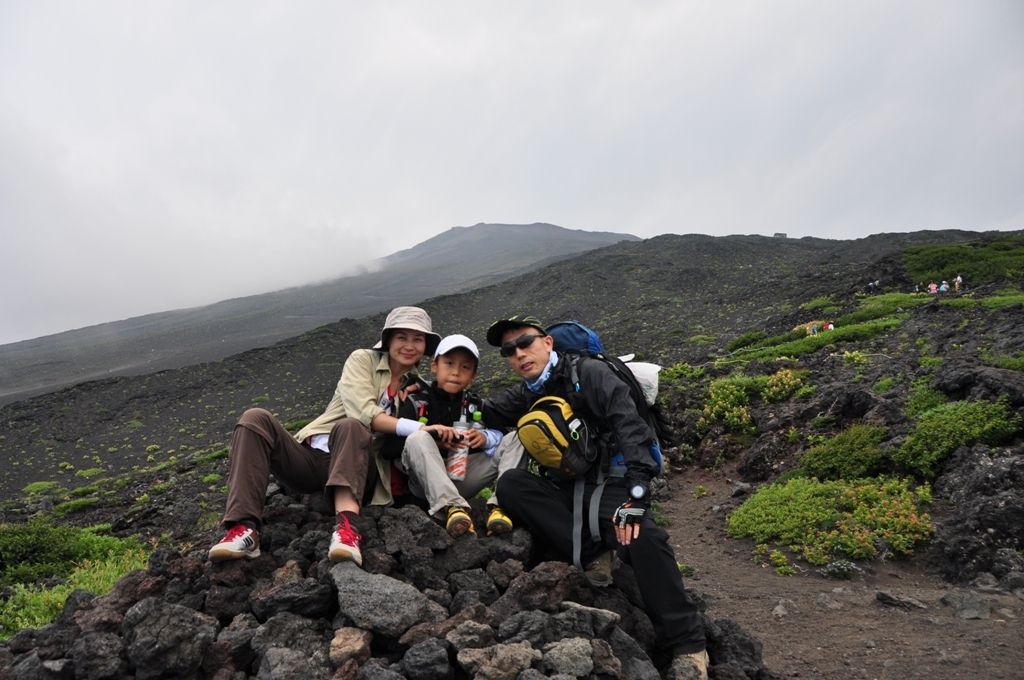
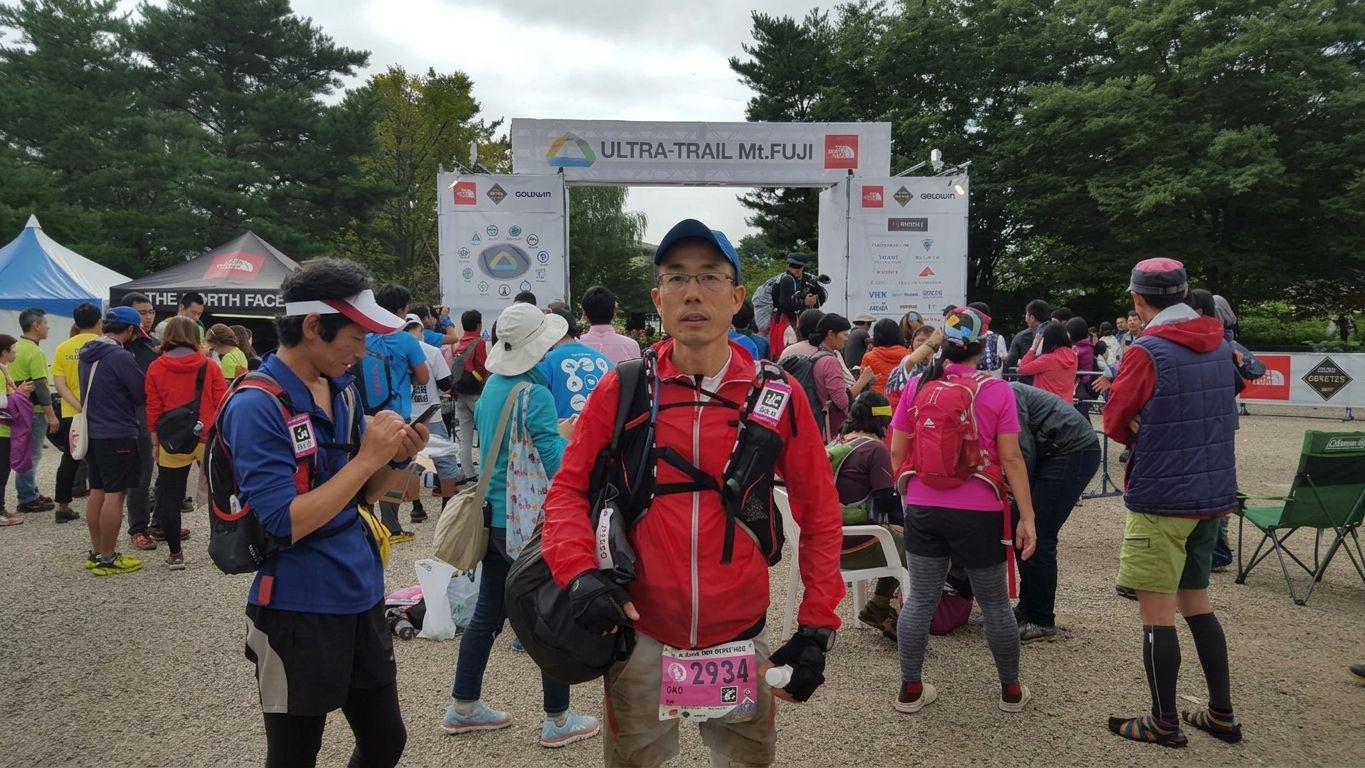
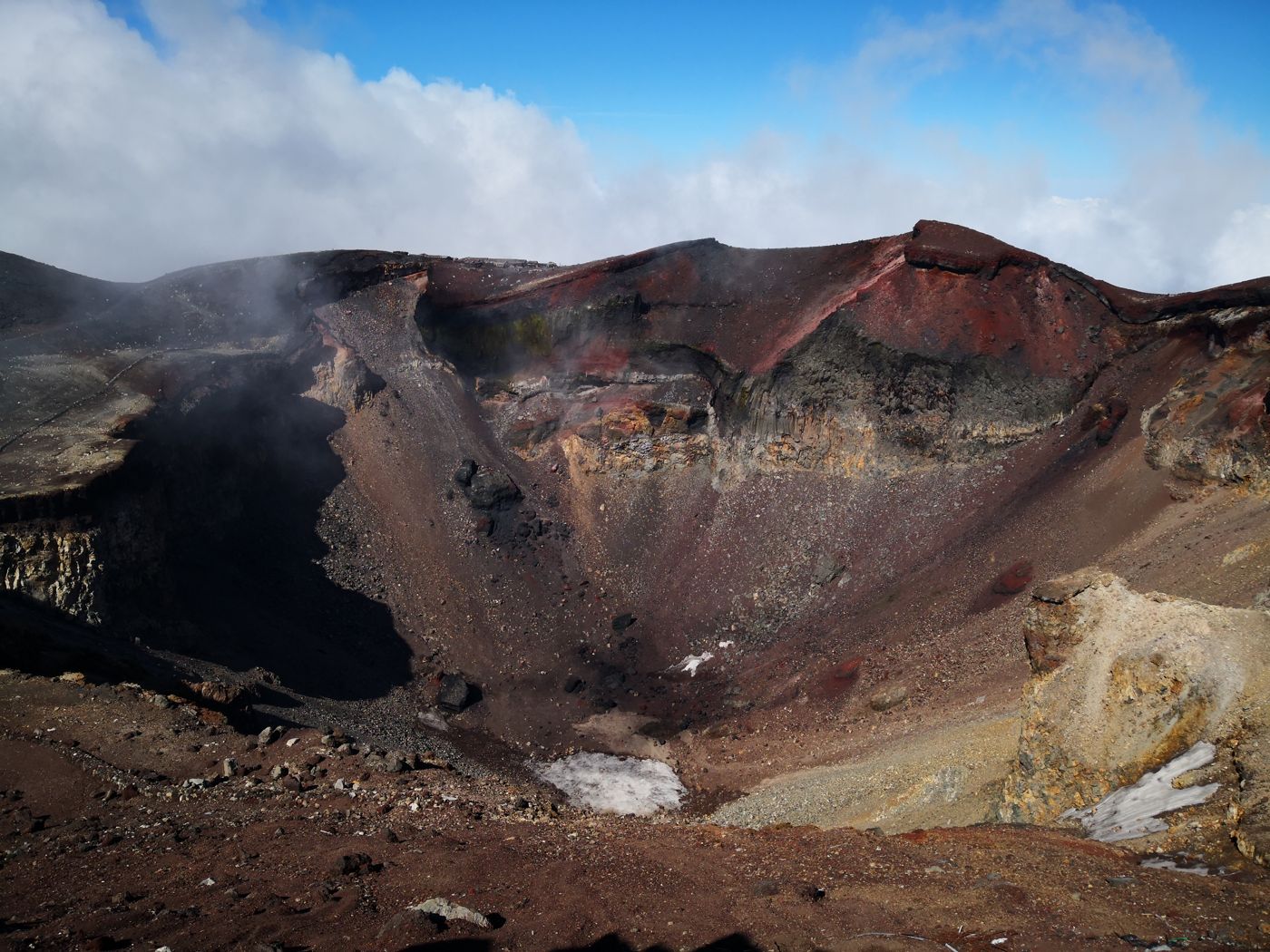
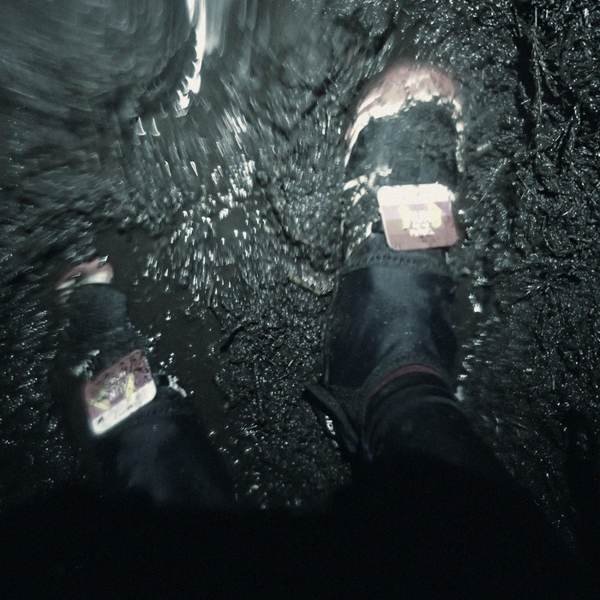
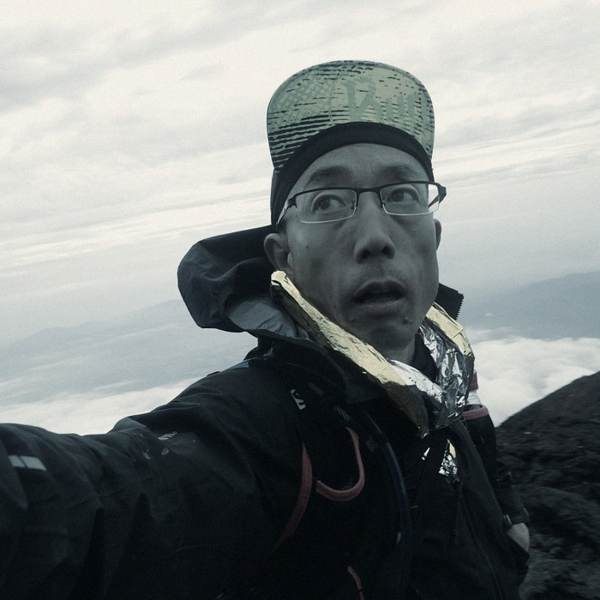
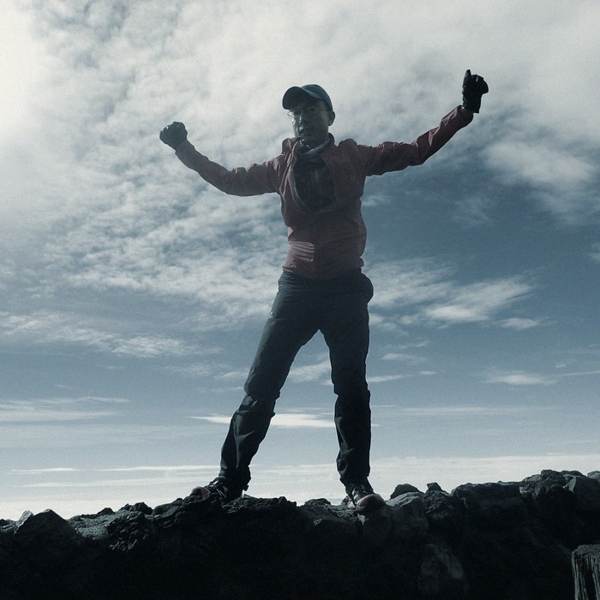
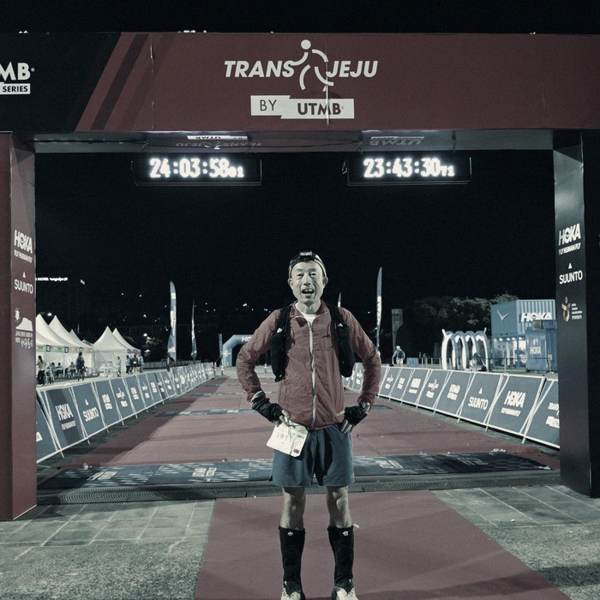
Fog · rain · night · sun雾 · 雨 · 夜 · 晴
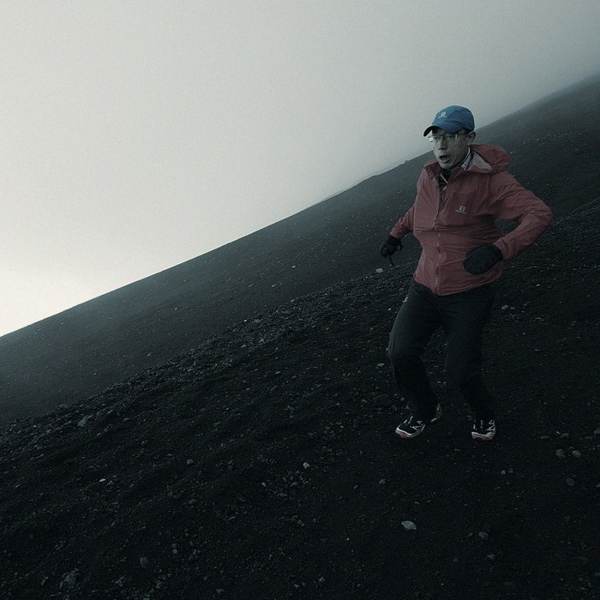
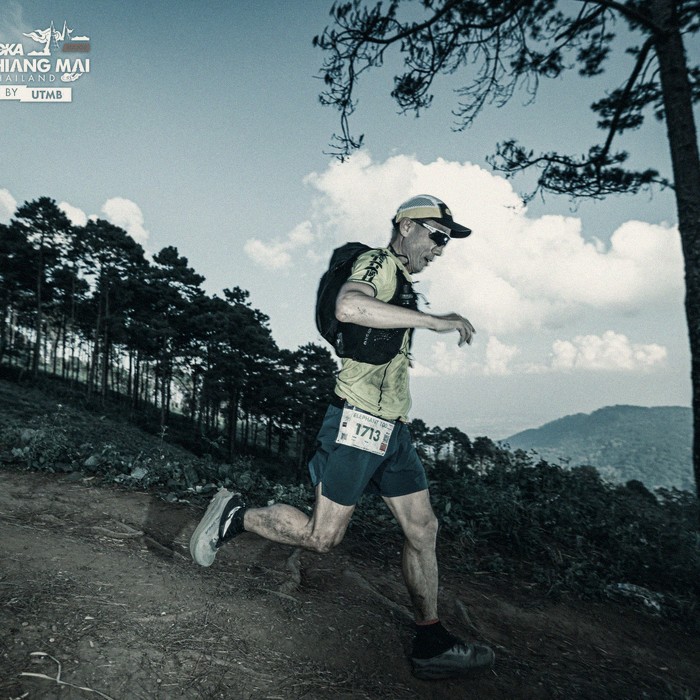
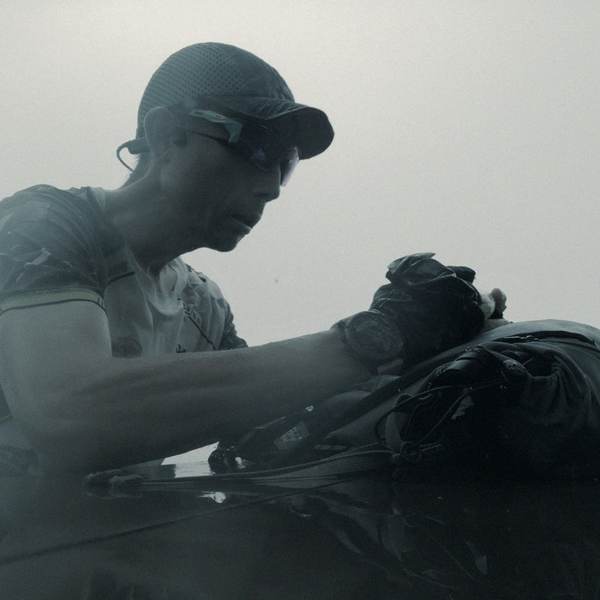
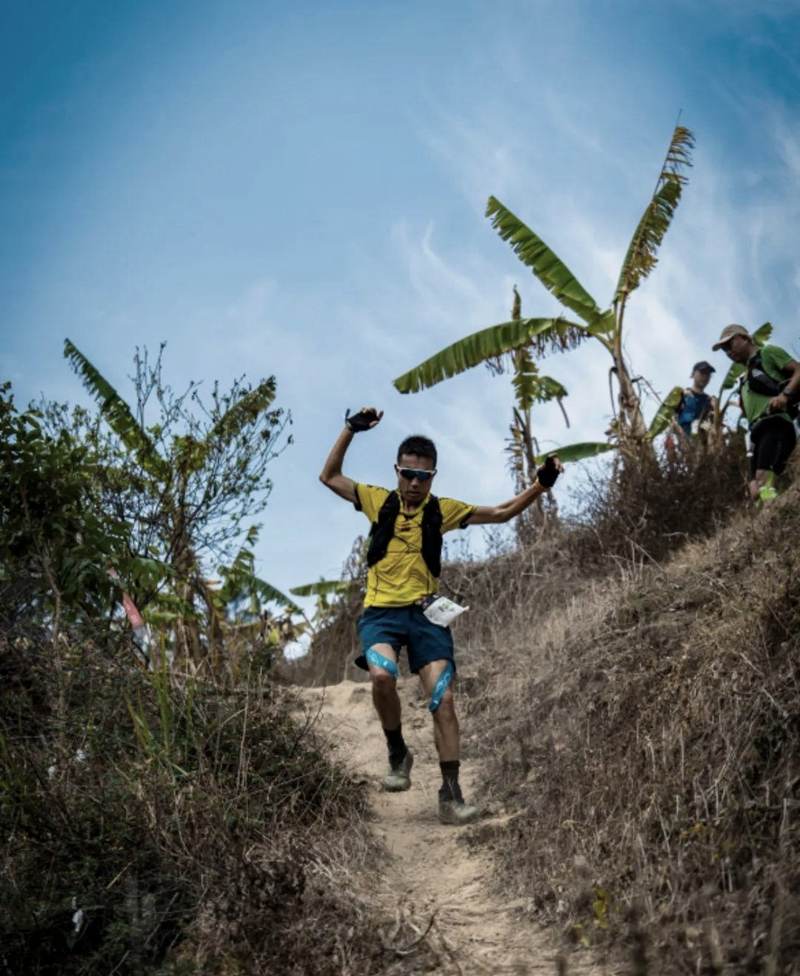
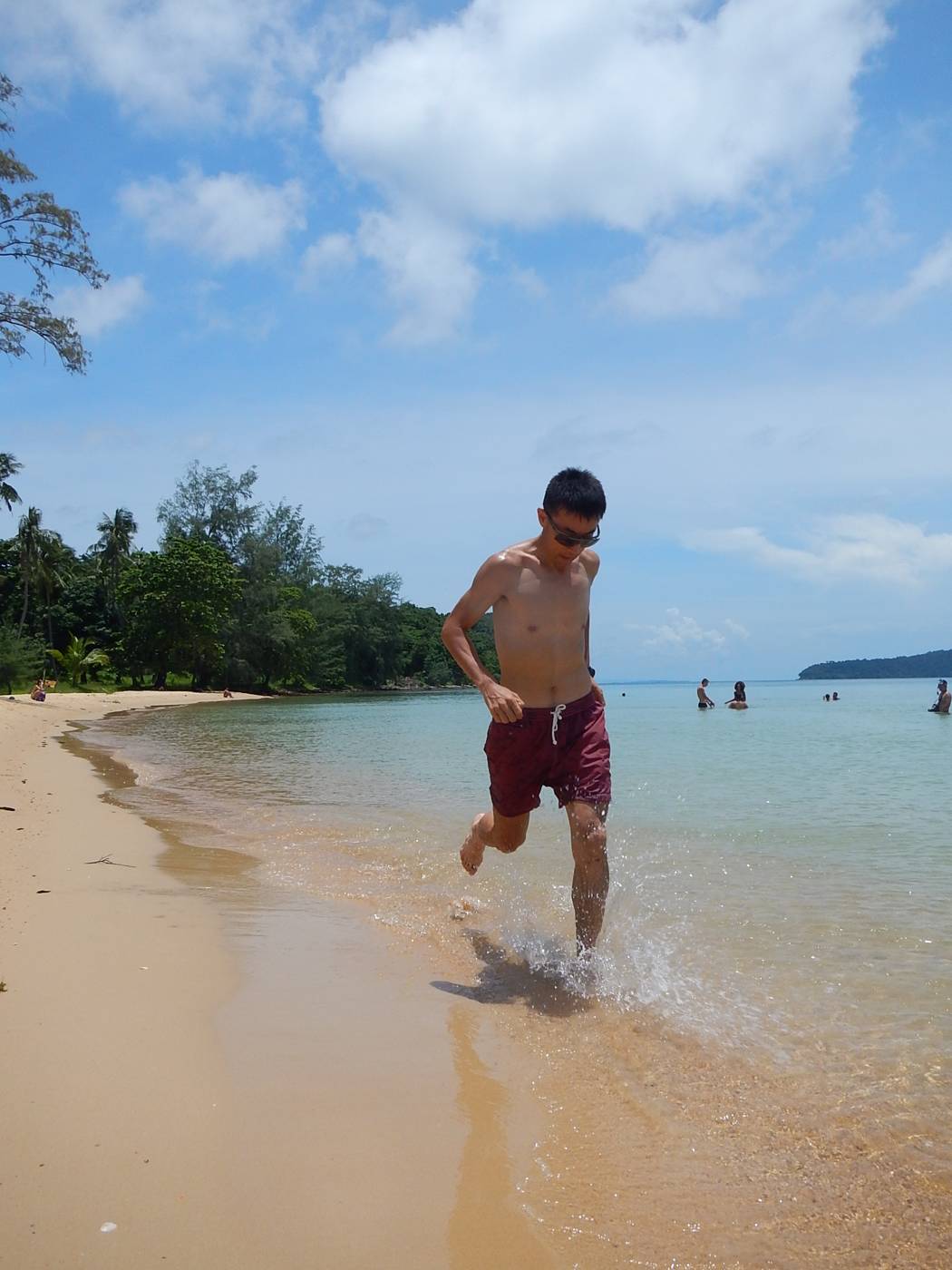
Off the course · 2013 – 2021赛道之外 · 2013 – 2021
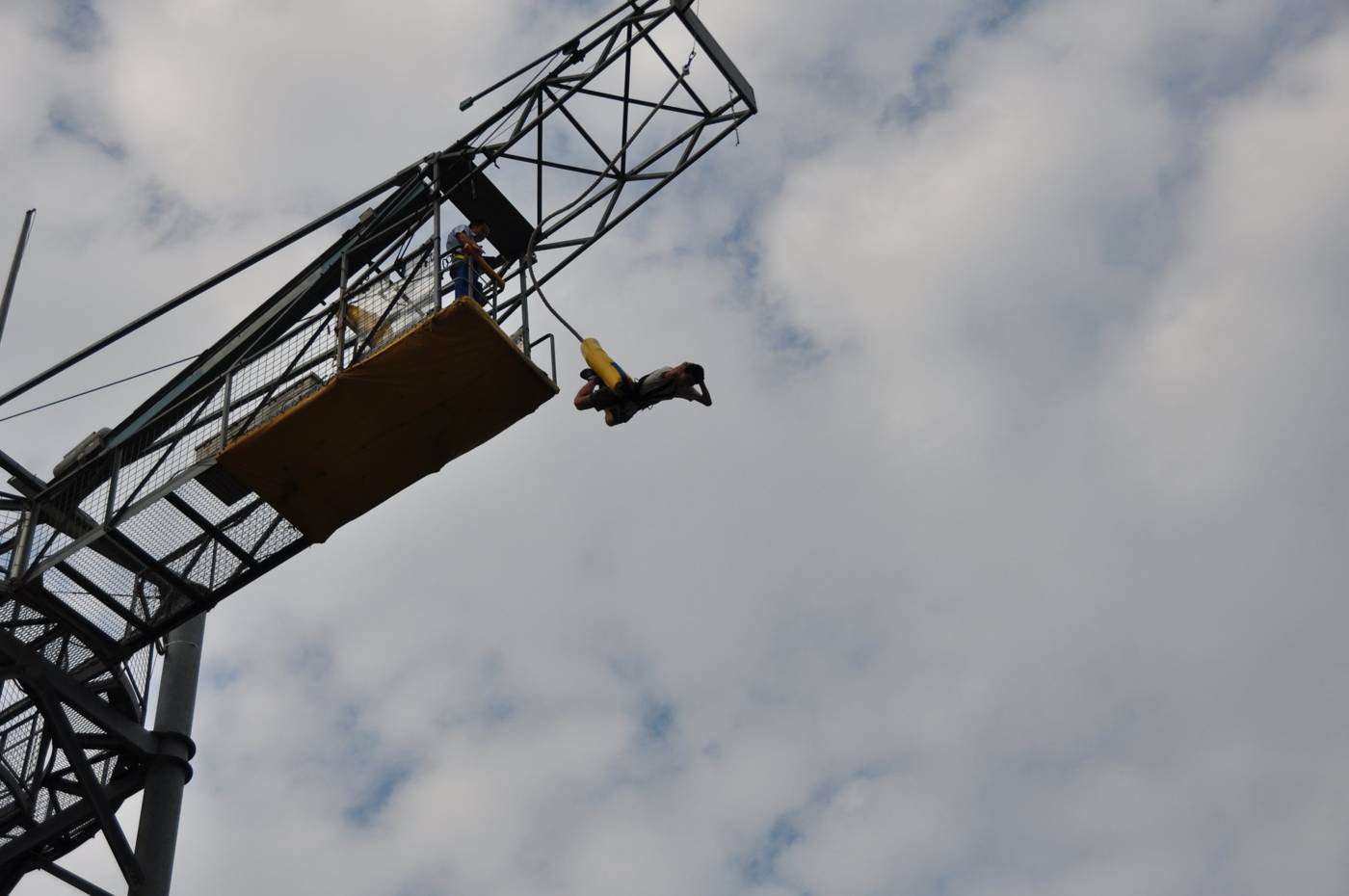
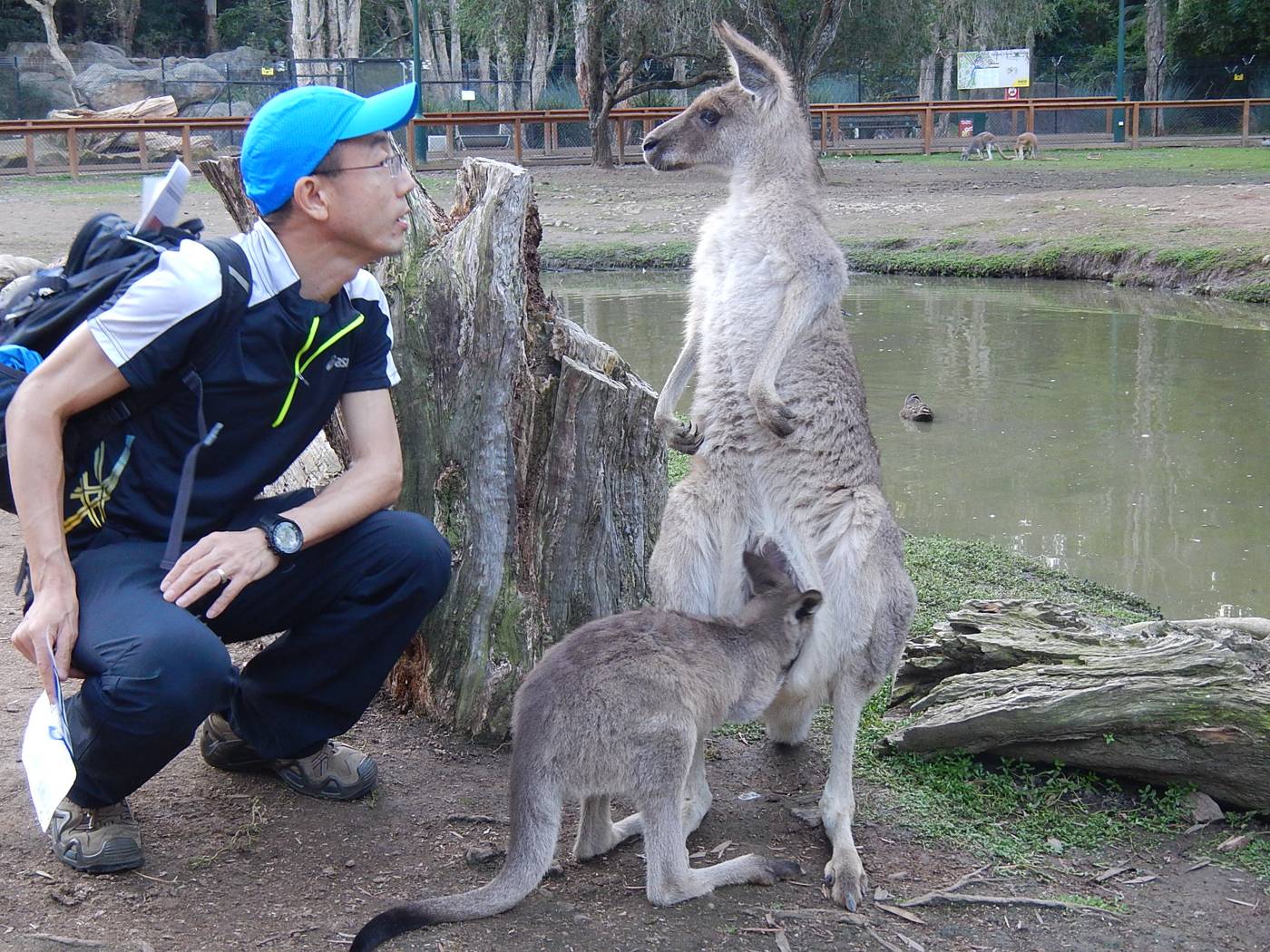
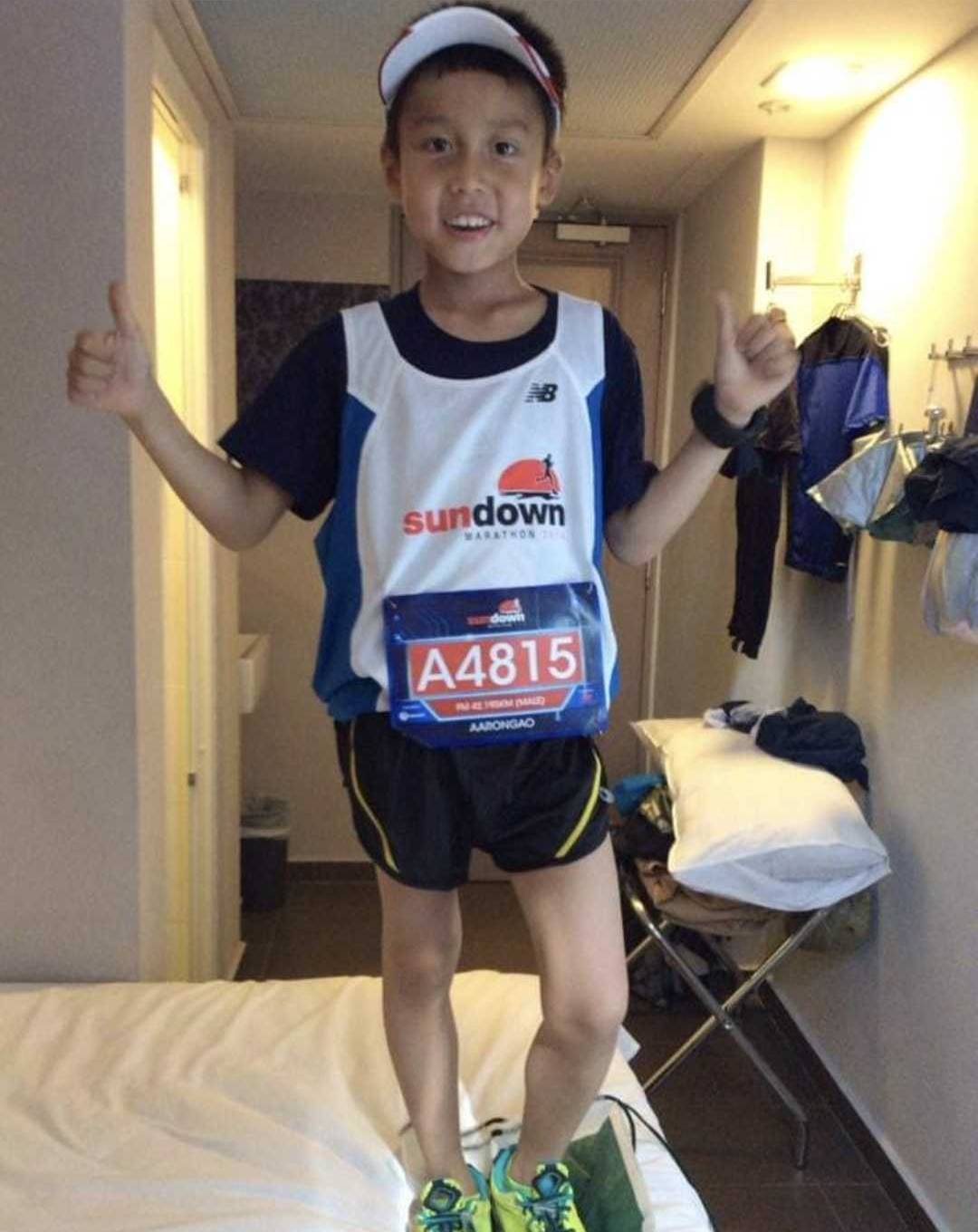
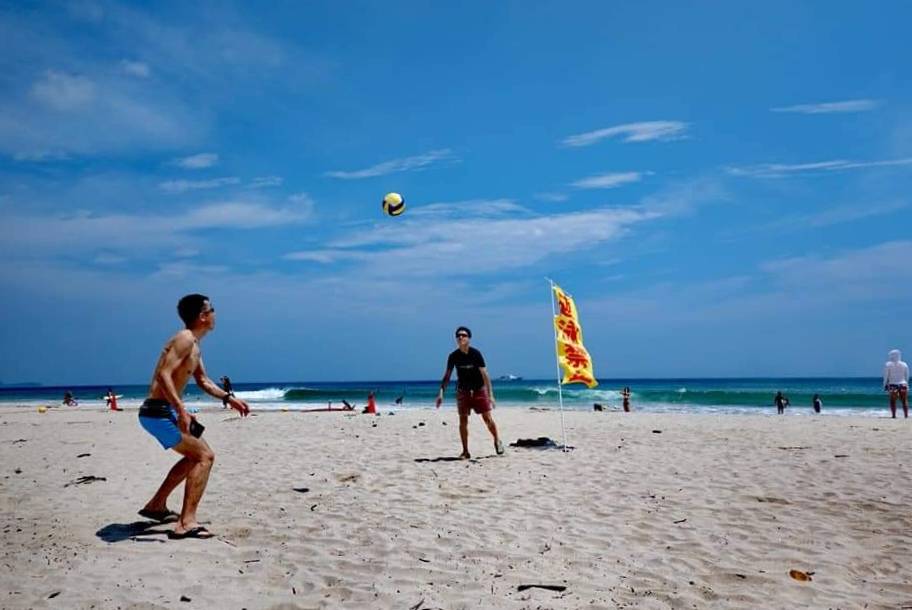
Company · three doors同行 · 三扇门
Awake index · what I measure清醒指数 · 我在测量什么
VO2max
51–52Top 5% for my age. The line I defend: never below 90% of it.同龄人前 5%。我要守住的线:不低于它的 90%。
Strength力量
5 × 8Push-ups, sit-ups, side raises, high knees. Simple, repeatable, measurable at home.俯卧撑、仰卧起坐、侧抬腿、高抬腿。简单、可重复、在家就能测。
Mind心智
C1English toward near-native. A brain that keeps learning stays awake.英语向接近母语水平推进。持续学习的大脑才会保持清醒。
The question at 5656 岁的问题
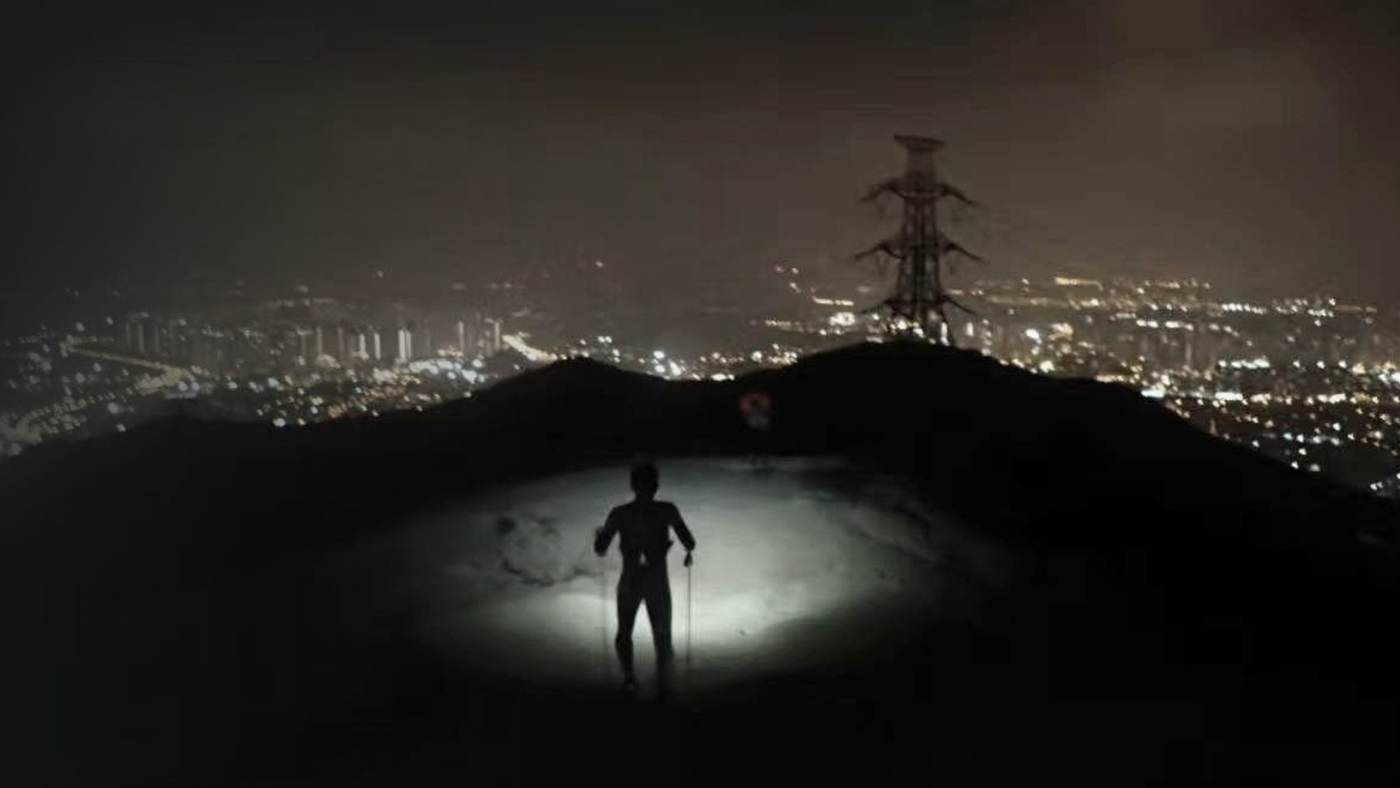
Some who ran this road with me have gone on ahead. Watching them go changed my question from how far to what all of this is for. The road continues.一些和我在这条路上同行的人,已经先走了一步。看着他们离开,我的问题从“能跑多远”变成了“这一切为了什么”。路还在继续。
Food & fuel · Note 001 · Nov 2026 · 6 min饮食与能量 · 第 001 篇 · 2026 年 11 月 · 约 6 分钟
A gift from a friend in Barcelona. Au, an early-harvest Picual from Jaén. Not a collector’s bottle. An oil to drink every day.
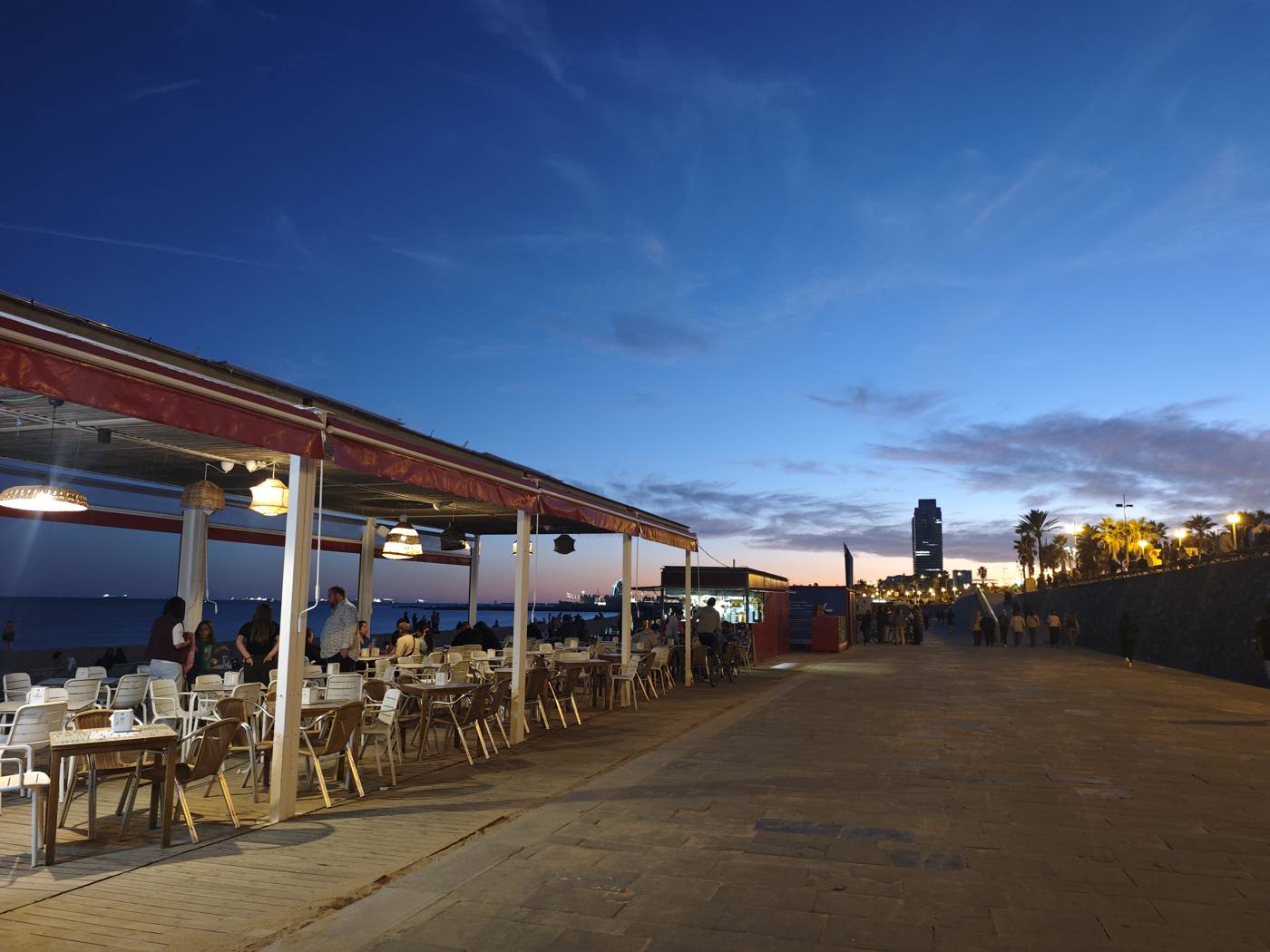
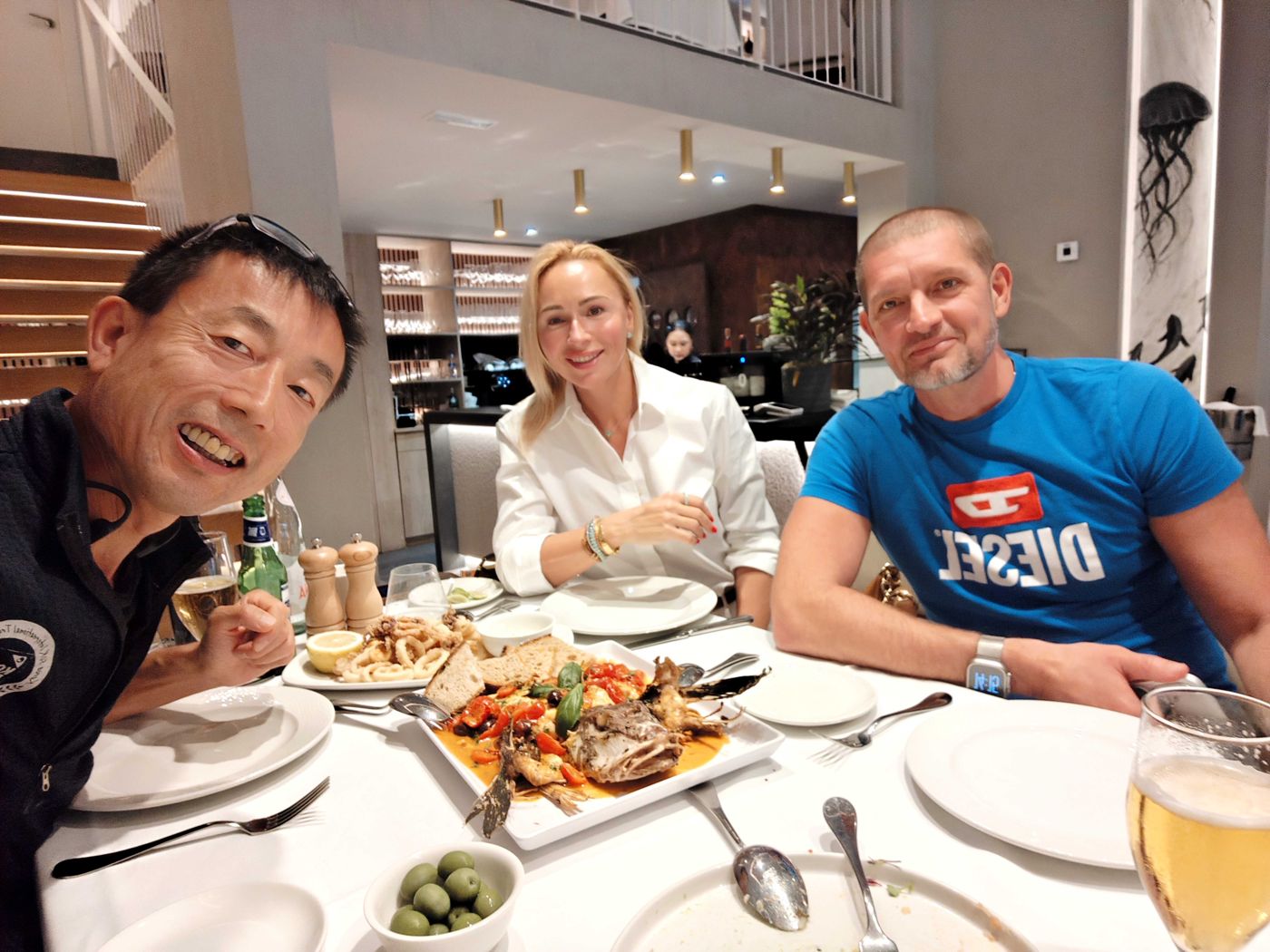
Barcelona, late October 2026. Lidiya started as a client. Somewhere between meetings and long dinners, the client became a friend. This trip: a photo together, a table shared with Lidiya and Borys, and at the end of it a gold tin of Au. A gift. Carried home to Tokyo in hand luggage.
Back home, the tin went straight onto the lunch table: raw, by the spoon, over tomatoes and avocado. What follows is what a week of drinking it taught.
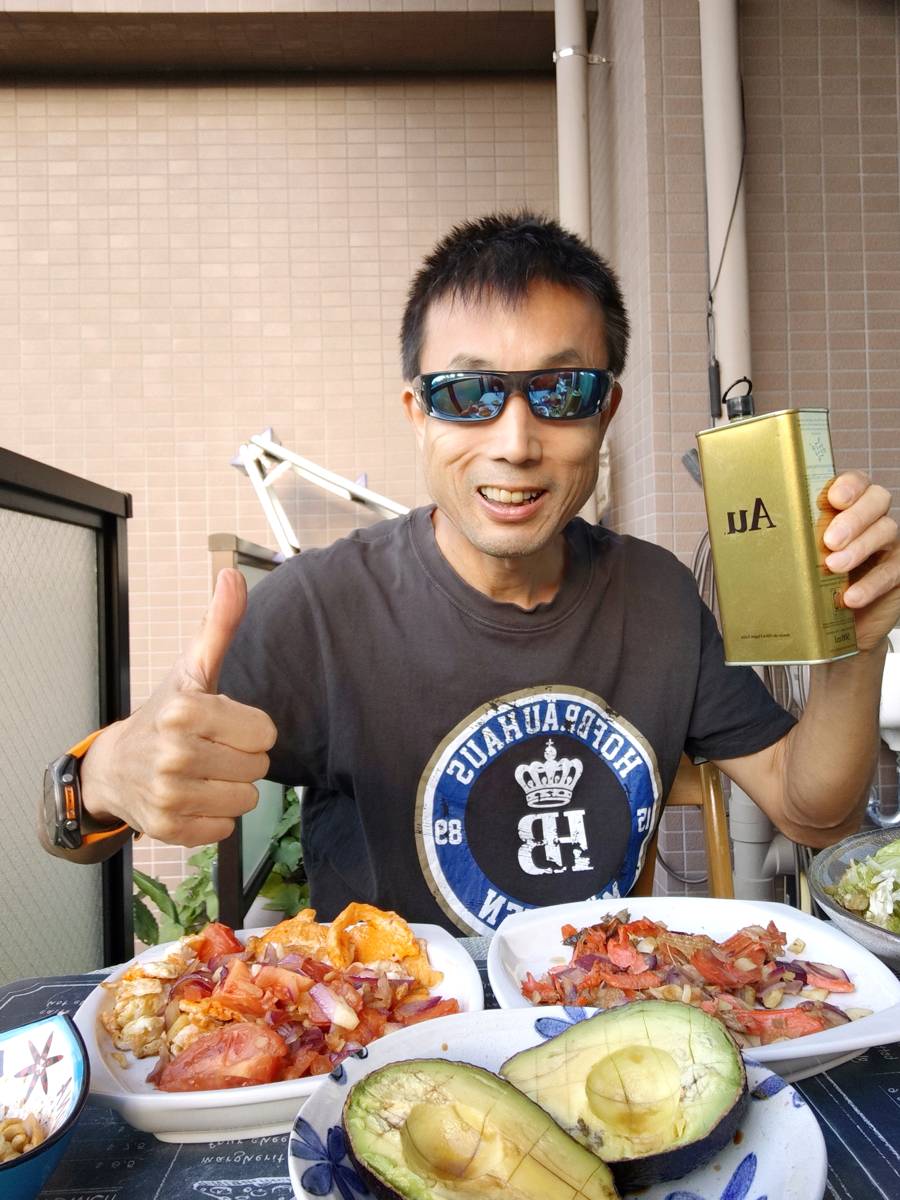
I searched a thousand bottles far from home,
then met Au in its lightproof tin,
barely seen in any supermarket.
Early-harvest Picual. Not single-estate.
High-oleic, slow to oxidise.
Soft on the tongue, a late sting in the throat:
oleocanthal saying hello.
Quiet, no hype, no markup.
Made for drinking straight.
At this rate, I could sit the sommelier exam.
From my WeChat Moments, 7 Nov 2026
Au is made in Jaén, Andalusia, by Grupo Empresarial Magose. It is a single-variety, early-harvest Picual extra virgin olive oil. It is not a single-estate oil: the olives come from selected fresh fruit across the region, cold-pressed at scale.
Picual is the signature native olive of Jaén, and among commercial varieties it has one of the highest ceilings for polyphenols. This oil is pressed mechanically and cold, with no chemical solvents, which is what “extra virgin” has to mean under EU rules. The olives are picked green and early, inside the window when polyphenols and oleocanthal are at their richest.
It comes in a sealed metal tin. That is the storage experienced tasters prefer: no light gets in, so the oil oxidises more slowly and keeps its active compounds longer than it would in clear glass. The spout has an anti-drip, anti-backflow design that limits air getting back inside.
| Energy | 824 kcal / 100 ml |
| Fat | 92 g |
| Monounsaturated | 72 g |
| Polyunsaturated | 7 g |
| Saturated | 13 g |
A high-oleic base gives it strong resistance to oxidation, which is the core trait of Picual: it stores well and its flavour fades slowly.
The peppery catch at the back of the throat comes from oleocanthal, a compound that acts on the same inflammation pathway as ibuprofen. That sting is the easiest signal of a high-polyphenol oil. Alongside it come hydroxytyrosol and oleuropein. For endurance athletes, and for people eating keto or one meal a day, this is the kind of oil worth taking raw.
On the palate it opens soft and round, without the sharp bitterness early Picual often has. The pepper arrives late, after swallowing, and builds slowly. Green herbs, green tomato and fresh almond, all held back. It is balanced rather than explosive, and one of the easiest high-polyphenol oils to drink straight.
You will not find it in an ordinary supermarket. It is a quiet, small-circle oil with no premium marketing and no estate story to pay for, and it is priced sensibly. For people who know oil, its role is clear:
The honest weakness: because the fruit is not from one estate, its character and sense of place are weaker than the best single-estate Picuals at the same price, and the ceiling on complexity is limited. A taster chasing the purest expression of terroir would choose differently.
A mature, practical early-harvest Picual. It balances high polyphenols, drinkability and storage stability, and it does not show off. An oil for daily, long-term use, not for the shelf.
Personal tasting notes from my own kitchen, shared as experience, not medical advice. This tin was a gift from a friend; no relationship with the producer.
巴塞罗那朋友的礼物。Au,来自哈恩的早采 Picual。不是收藏款,而是每天都可以生饮的油。
2026 年 10 月下旬,巴塞罗那。Lidiya 本是客户,几次会面、几顿长长的晚餐之后,早已是朋友。这一趟:合影,和 Lidiya、Borys 同桌吃饭,临别收到一罐金色的 Au。礼物。手提着带回东京。
回到家,这罐油直接上了午餐桌:生饮,一勺一勺,淋在番茄和牛油果上。下面是喝了一周之后的心得。
万里寻油千百度
偶遇全避光装AU
商超难觅其迹
Picual早采EVOO
虽非Single-Estate
High-Oleic耐氧化
入口温柔
喉间后发微辣
Oleocanthal标志性信号
小众不逐流不溢价
适配生饮
活性物质高度契合
可以考个证
摘自我的朋友圈 · 2026 年 11 月 7 日
Au 产自西班牙安达卢西亚的哈恩(Jaén),由 Grupo Empresarial Magose 出品,是单一品种 Picual 早采特级初榨橄榄油(AOVE)。它不是单一庄园(Single-Estate)款,而是在哈恩产区规模化甄选优质鲜果冷榨而成。
Picual 是哈恩的标志性原生品种,也是全球商业化品种里多酚潜力上限最高的品类之一。纯机械冷榨,无化学溶剂萃取,符合欧盟特级初榨的最高等级定义;早采青果,在多酚和橄榄刺激醛(Oleocanthal)富集的窗口期压榨,保留完整的次生代谢物。
包装是全避光的金属铁罐,这是专业玩家公认的最优储存方案:隔绝光照氧化,规避透明玻璃瓶的短板,让多酚活性留存得更久。导流口带防回流设计,减少氧气进入罐内。
| 能量 | 824 kcal / 100 ml |
| 脂肪 | 92 g |
| 单不饱和脂肪酸 | 72 g |
| 多不饱和脂肪酸 | 7 g |
| 饱和脂肪 | 13 g |
高油酸基底带来极强的氧化稳定性,这正是 Picual 品种的核心特质:耐存放,风味衰减慢。
标志性的喉间微辣来自橄榄刺激醛,它作用于和布洛芬相同的抗炎通路,也是高多酚 EVOO 最容易识别的信号;同时富含羟基酪醇和橄榄苦苷。对耐力人群、生酮或 OMAD(一日一餐)饮食的人来说,这类油值得生饮。
入口柔和温润,没有早采 Picual 常见的尖锐苦感;辛辣感后置,咽下之后在喉腔慢慢浮现。青绿草本、青番茄、鲜杏仁的香气都很内敛,平衡感优秀。它不是爆发力极强的激进款,而是高多酚油里适口性很强的一支。
它不是大众商超流通款,常规渠道很难见到,属于小众精品赛道:不做溢价营销,没有头部庄园的品牌滤镜,定价务实。对懂油的人来说,它的定位很清晰:
短板同样要说清楚:果源不是单一庄园,风味辨识度和风土独特性弱于同价位顶级单一庄园 Picual,风味层次的复杂度上限有限。追求极致风土表达的品鉴发烧友会有取舍。
一支成熟、务实的哈恩早采 Picual。它不刻意炫技,把高多酚、生饮适口性和储存稳定性平衡得很好,是日常长期消耗的优选,而非追求稀缺叙事的收藏款。
以上是我在自家厨房的个人品鉴笔记,作为经验分享,不构成医疗建议。这罐油是朋友所赠,与生产商没有任何关系。
Mind · Note 002 · UTMB The Great Wall · May 2025心态 · 第 002 篇 · UTMB 长城 · 2025 年 5 月
104 km, about 4,000 m of climbing, 25 hours 23 minutes. A little after three in the morning, near zero degrees, in sleet and in shorts: the ten kilometres I remember most.
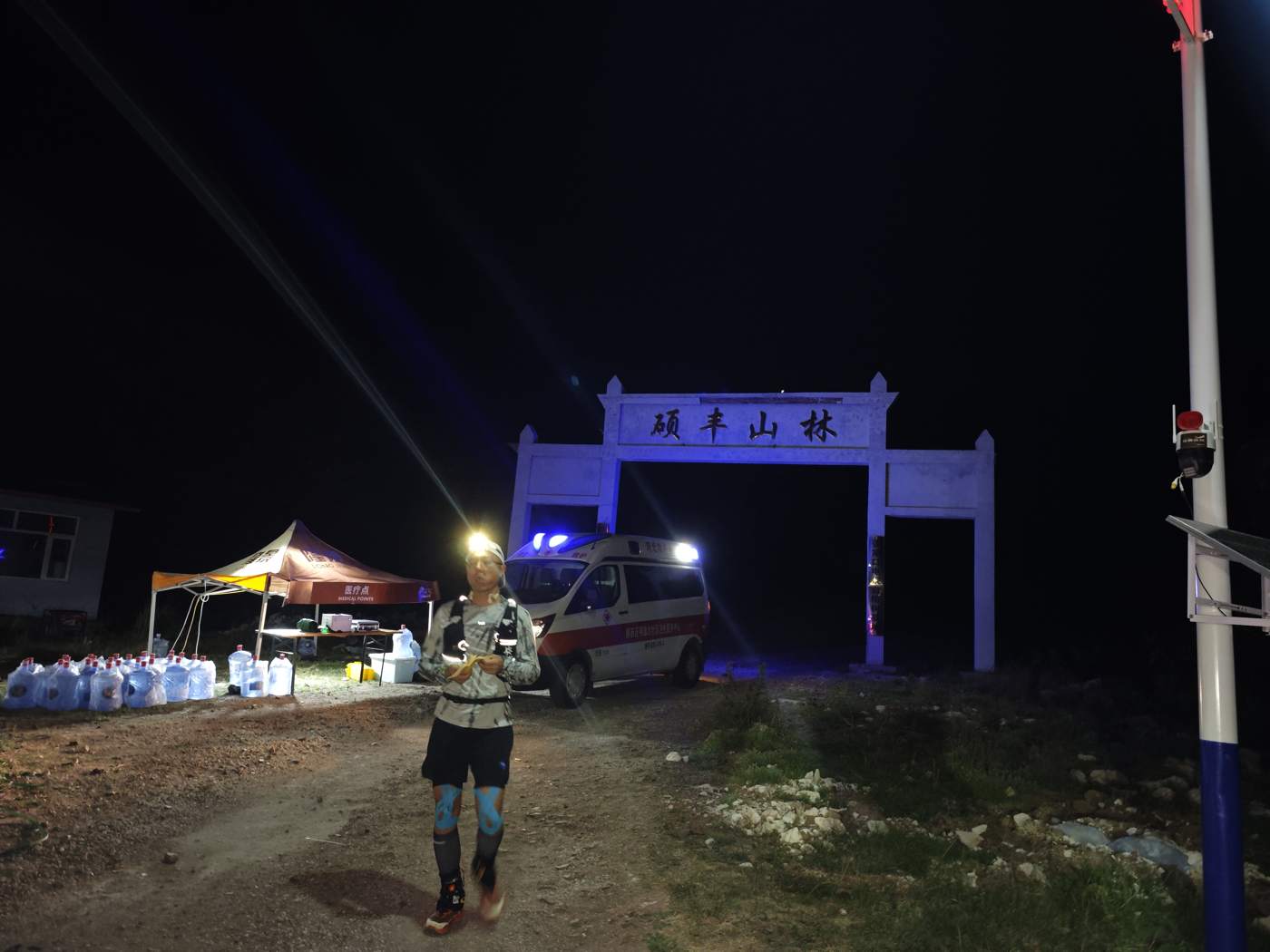
The hardest moment came in the small hours, a little after three in the morning, on the first night, near the highest point of the course. It was the sleepiest part of the night. The temperature had fallen to about zero, and it started to sleet. I was running in shorts.
I had long trousers in my pack. I wanted to stop and put them on. Then something like a sixth sense told me not to. I am a lean runner. My body was only holding its heat because it was still moving. If I stopped, stripped and changed in the sleet, I could lose more heat than the trousers would give back. So I kept going.
For about ten kilometres I did something I find hard to describe. I stepped out of myself and watched. From above, or from the side, I could see a thin man in shorts carrying several kinds of pressure at once: the running, the cold, the risk of hypothermia, the need to sleep.
What I was watching was a conversation between my body and a harsh piece of nature. And the moment I became the observer, my mind went light. The pain did not leave. It just stopped being the whole of me. Pain is natural. Watching it, I could almost enjoy it.
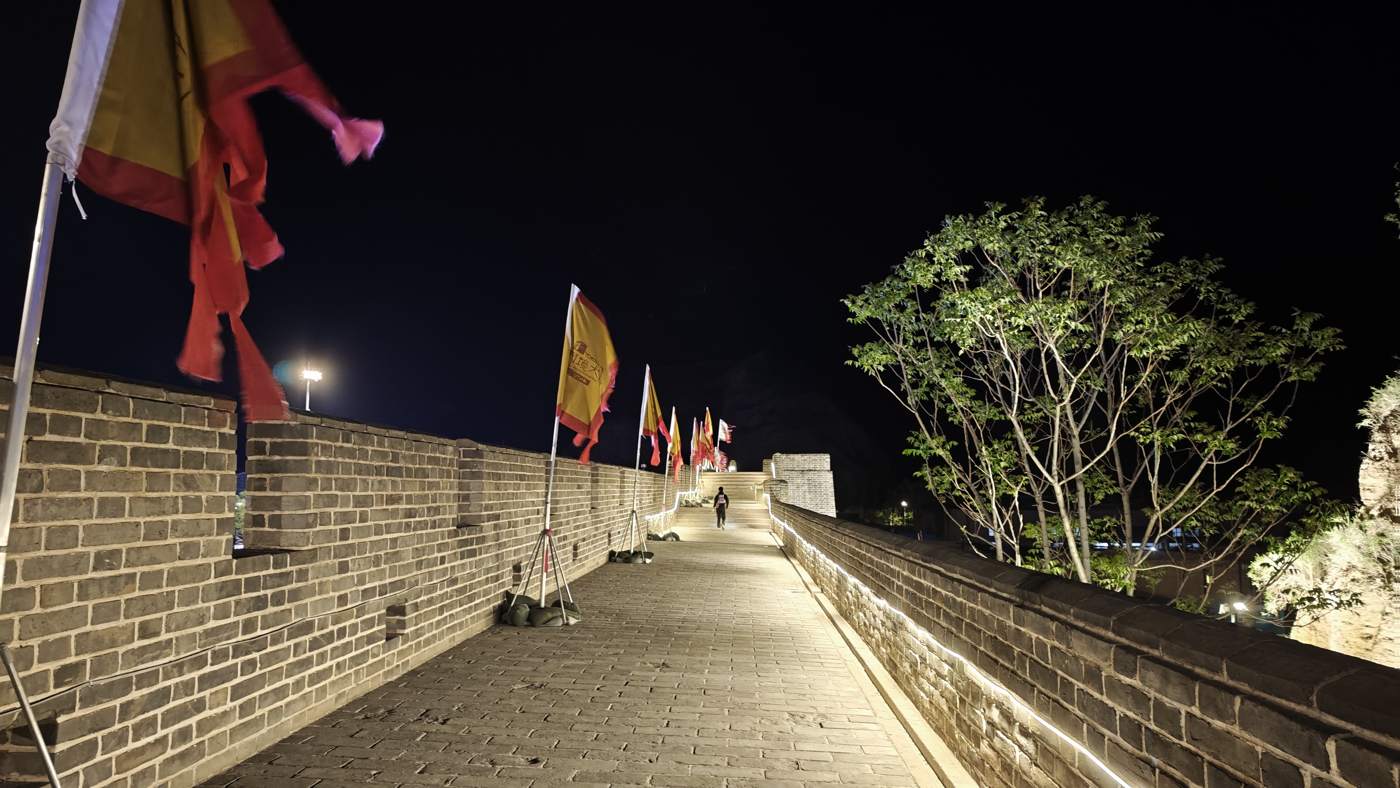
I came back to myself slowly. Around half past five, coming down off the mountain, I saw lights below. Reality began to return. At the aid station at kilometre 42 I stopped for about forty minutes, still dazed, half somewhere else. Then I saw food, and water, and little by little I was back inside my body. It was a subtle feeling. Strange, even. Wonderful, in a way I still cannot fully explain.
Later I heard Andrew Huberman discuss this territory with David Goggins on the Huberman Lab podcast. Huberman described a brain region, the anterior mid-cingulate cortex, that researchers link to tenacity and willpower, and he said it grows when we do things we would rather not do. The science is young, and I make no claim beyond my own experience. But it gave me words for what I felt on that wall: the hard part is not the enemy. It may be the training.
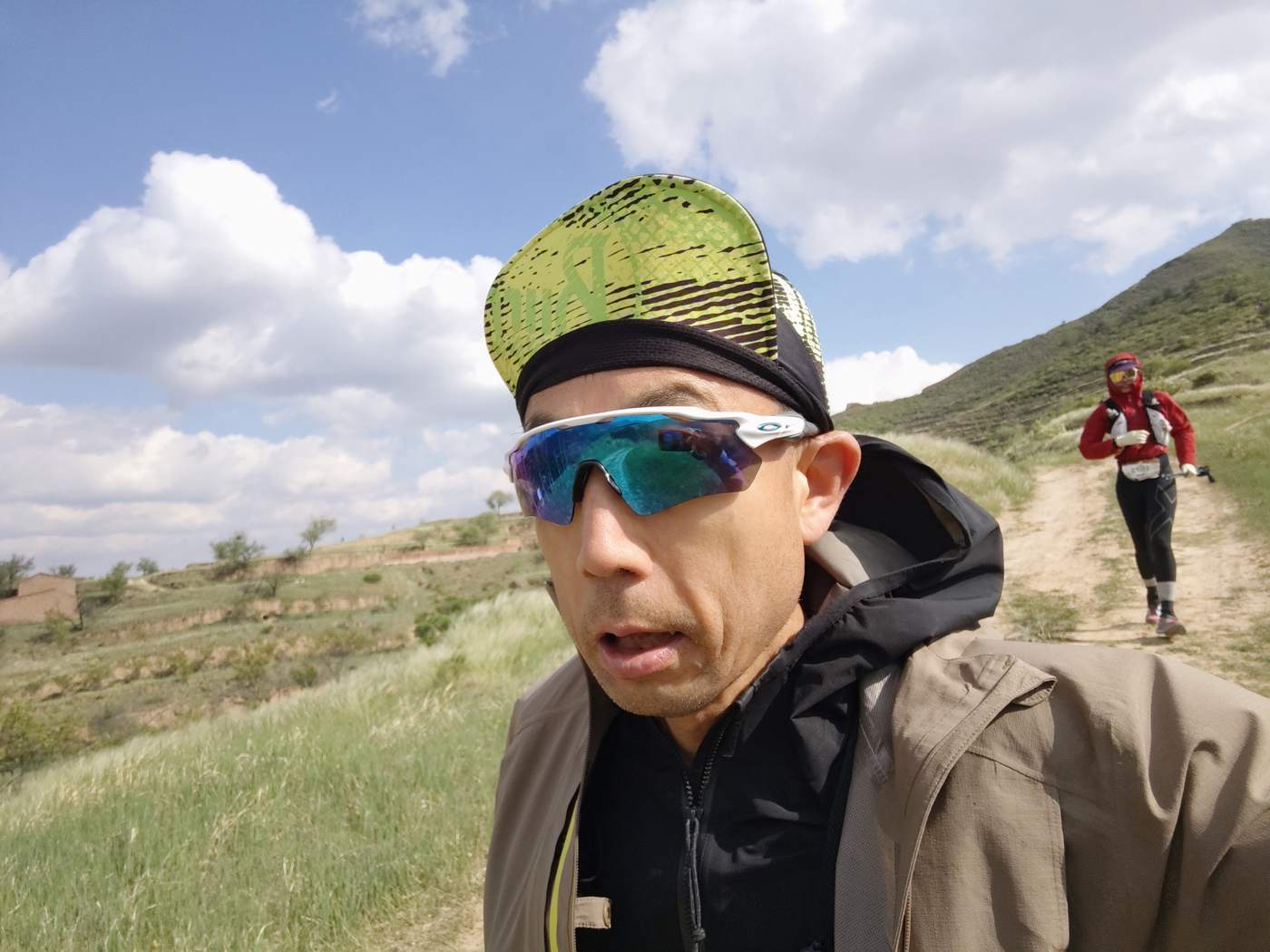
I keep coming back to the line engraved on my iPad: the key was never how fast I could run, but how fast I could run while tired. On the Great Wall, tired and cold and alone in the dark, I learned a version of it I could not have read in a book. You can step back, watch yourself suffer, and keep going.
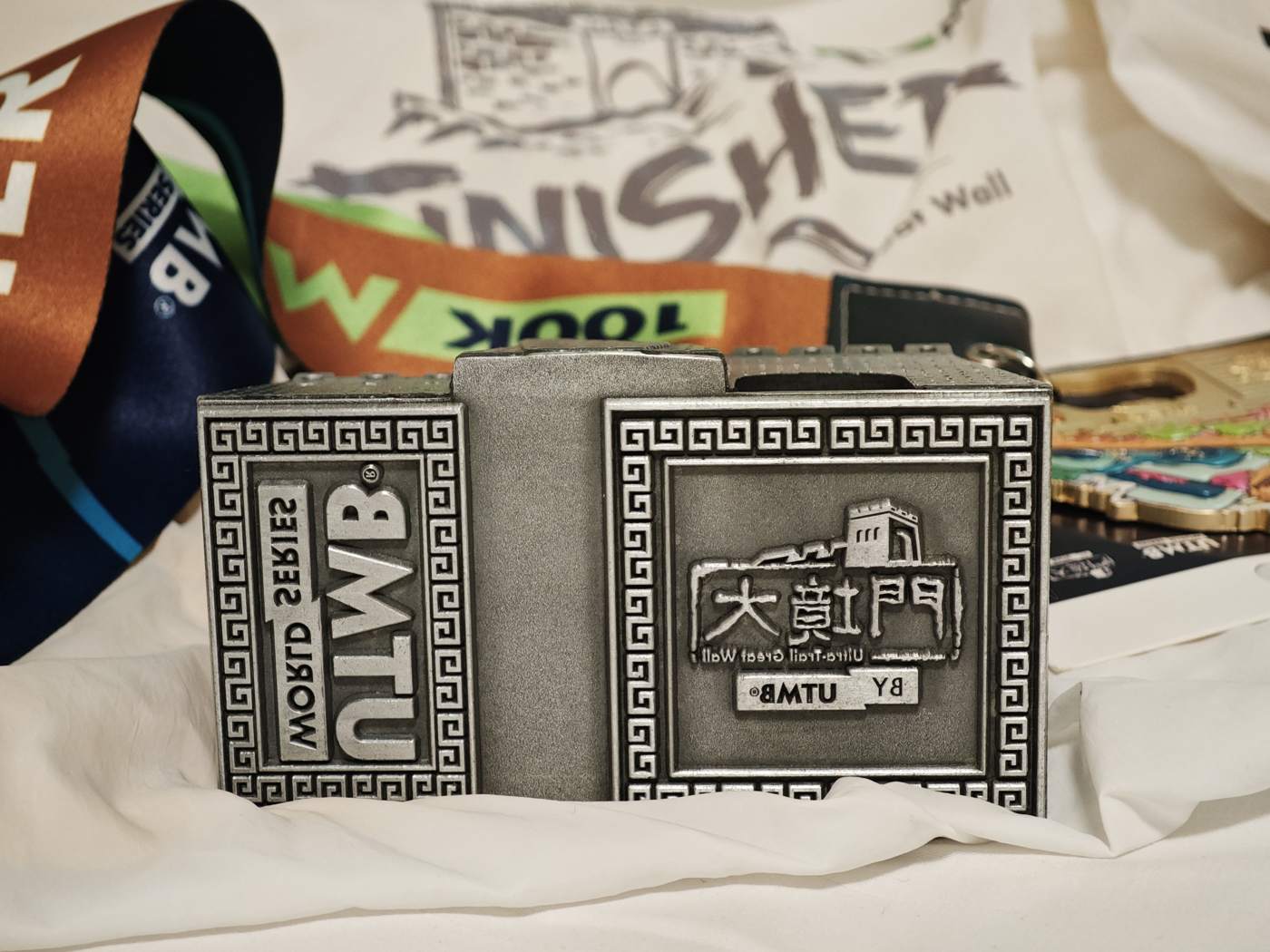
This is not advice. It is what came out of a conversation between me, my body and nature on one night, and I share it as a feeling, nothing more. Choosing not to stop in near-freezing sleet was a judgement I made about my own body in that moment. If you are not sure, stop, add layers and get warm. Hypothermia is not a test of character.
Further listening and reading: Huberman Lab, “David Goggins: How to Build Immense Inner Strength” (2024). Touroutoglou A, Andreano J, Dickerson BC, Barrett LF. The tenacious brain: how the anterior mid-cingulate contributes to achieving goals. Cortex 123 (2020): 12–29.
104 公里,约 4000 米爬升,25 小时 23 分。凌晨三点多,零度左右,雨夹雪,我穿着短裤:那是我记得最深的 10 公里。
最艰难的时刻在午夜之后,大约凌晨三点多,第一夜、赛道最高点附近,正是最困的时候。气温降到零度左右,开始下雨夹雪,而我穿的是短裤。
背包里有长裤。我想停下来换上。就在那一刻,一种第六感告诉我:不要停。我偏瘦,身体之所以还能保住体温,全靠持续在动。如果在雨雪里停下、脱下、换上,失去的热量可能比长裤带回来的还多,失温的风险很大。所以我继续跑。
大约 10 公里的时间里,我做了一件很难描述的事:我跳出了自己,去观察。像是站在上帝视角,或者第三视角,我看见一个穿短裤的瘦男人,同时承受着好几种压力:奔跑的压力、寒冷的压力、失温的压力,还有困意。
我看到的,是我的肉体和一段残酷的自然之间的对话。而当我成为那个观察者的时候,心一下子轻松了很多。痛苦没有离开,只是不再是我的全部。痛苦是自然的。作为观察者,我甚至能在痛苦中感受到一种享受。
我是慢慢回到自己身上的。清晨五点半左右,从山上下来的时候,看到了下面的灯光,现实一点点回来了。进了 42 公里处的补给站,停了大约四十分钟,我还处在一种恍惚的状态,像是一半还在别处。然后我看到了食物,看到了水,渐渐地回到了自己的身体里。那种体验非常微妙,甚至可以说是奇妙的,到现在我也说不完全。
后来我听到 Andrew Huberman 在他的播客里和 David Goggins 聊到这个领域。Huberman 谈到大脑中一个叫“前中扣带皮层”(aMCC)的区域,研究者把它和坚韧、意志力联系在一起;他说,当我们去做自己不想做的事时,这个区域会变强。这方面的科学还很年轻,我不做超出自身体验的结论。但它帮我说出了那晚在长城上的感受:艰难的部分不是敌人,它可能就是训练本身。
我总会想起刻在 iPad 背面的那句话:关键从来不是我能跑多快,而是疲惫时我还能跑多快。在长城上,疲惫、寒冷、独自在黑暗里,我学到了它的另一个版本,一个书里读不到的版本:你可以退后一步,看着自己受苦,然后继续前进。
这不是建议。这是那一夜我和自然、和自己的身体对话后的结果,只是一种灵魂上的感受,分享而已。在接近零度的雨雪中选择不停下,是我在那个时刻对自己身体的判断。如果你不确定,请停下来加衣保暖。失温不是对意志的考验。
延伸收听与阅读:Huberman Lab,《David Goggins: How to Build Immense Inner Strength》(2024)。Touroutoglou A 等,The tenacious brain: how the anterior mid-cingulate contributes to achieving goals,Cortex 123(2020):12–29。
Races & mountains · Note 003 · UTMF · 27–29 Apr 2018赛事与山 · 第 003 篇 · UTMF · 2018.4.27–29
First 100-mile finish. Same nature, same mind, 44 hours 41 minutes of conversation between them.
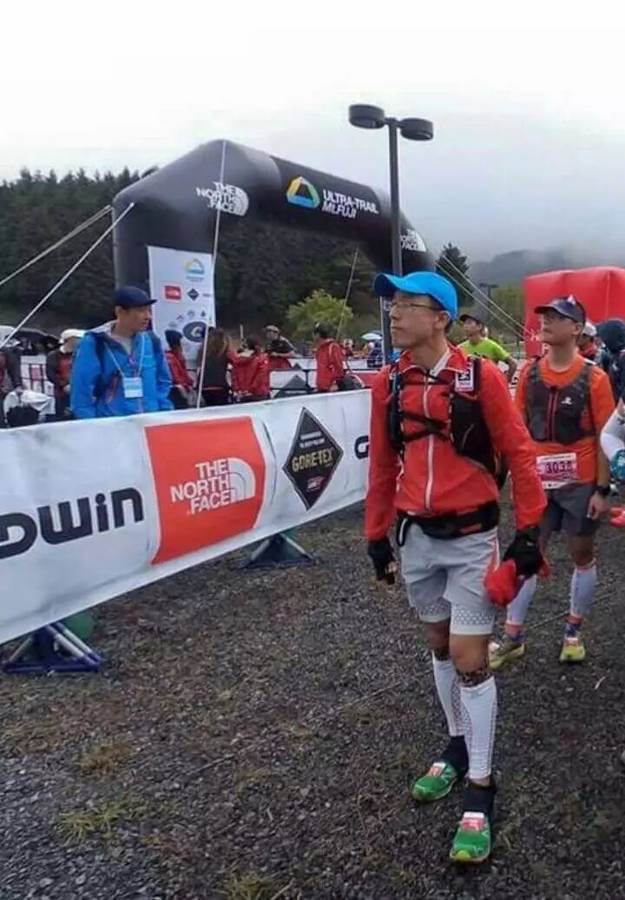
Third time on the UTMF start line. Not well prepared: flu in January took two weeks; monthly mileage barely over 100 km; races used as training. In early March, a root on the Takao–Jinba trail sent the left knee into the rocks. Seoul Marathon, Hasetsune 72 km and the Jinshanling Great Wall Marathon followed anyway, all with that knee.
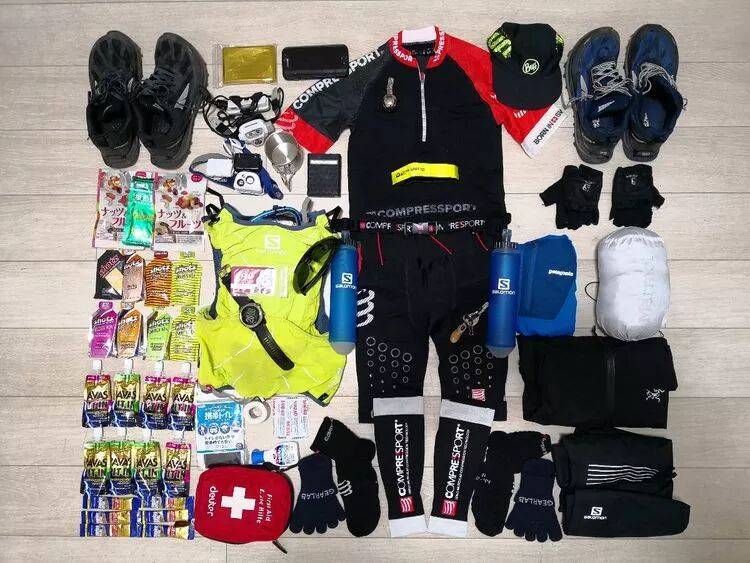
The night before, the last gear check. Tied to the pack: a small shoe, a gift from my son when he was three. On race morning, at twelve, he said: “Dad, don’t force it. If you can’t finish this time, run it next time.”
At the opening ceremony, race director Tsuyoshi Kaburaki asked the runners not to treat UTMF as a race but as a journey, and to thank family, friends and volunteers. At 15:00 the watch started. Calm. Through the arch, a high-five with Kaburaki, onto the course.
The first 22 km to Fujinomiya went to plan: water, electrolytes, gels, protein, nuts on schedule. The left knee ached. Every step was felt, absorbed and balanced between both legs, to delay the moment the injury would take over. The race was not at 50 km, nor at 100. It was after 100.
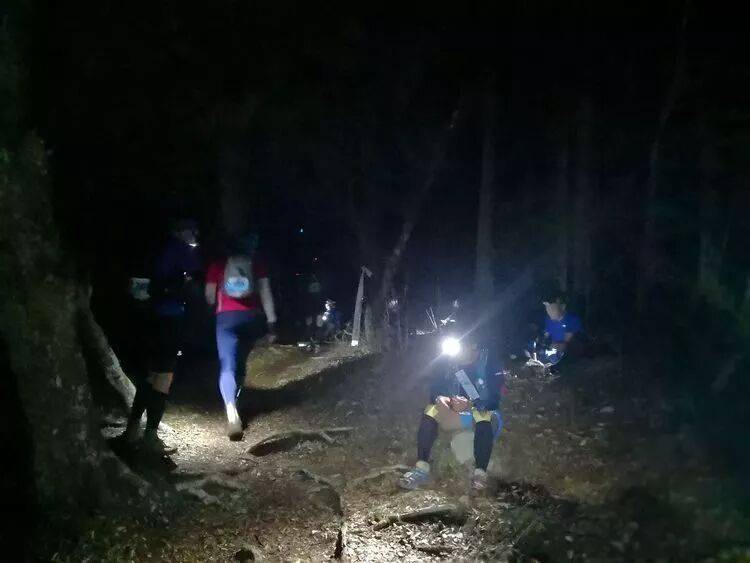
From A2 the night came down cold. An 800 m climb to Ryugatake, the body clock demanding sleep, two caffeine gels that did nothing. One rule held: too cold to stop, never sleep on the trail. At A3, half an hour to rest, no sleep, a sneeze and the edge of a cold.
Dawn, and Fuji clear again. Dry shirt, socks and shoes at A4, a knee brace on the left. Then the day hit harder than the night. Fatigue so deep it left blank spaces in memory; once, almost walking into a parked car. Ten minutes lying on the road, no sleep, back on the feet. At A5, appetite returned. At A6, friends who had waited up all night, a bowl of hot noodles, and a massage loud enough to wake the aid station.
Two nights without sleep, for the first time. The pain moved from the left knee to the right. Around 3 a.m. on 29 April, body and mind both asked for everything to stop. A few minutes asleep on the ground. Messages of encouragement on the phone. The small shoe kept knocking against the pack. Keep moving.
Body fat had measured 6% a week before the race. By now there was nothing left to burn but muscle, and sugar eaten until it turned the stomach.
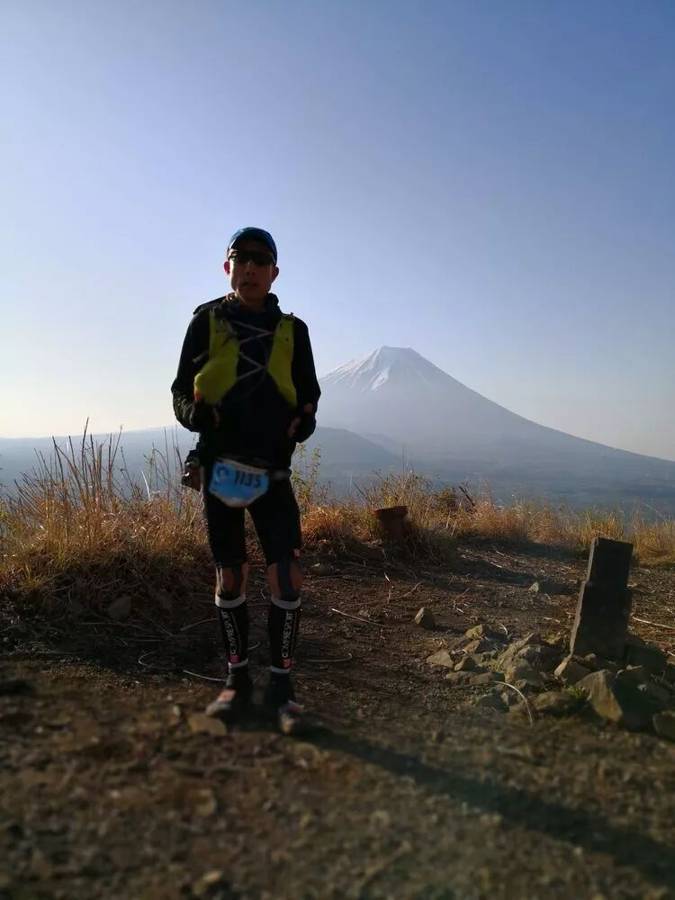
04:40, Fuji in the first light. 05:24, Shakushiyama, 1,598 m, the highest point of the course. About 150 km done; the hardest part behind. Two bowls of noodles at A9. From there, the finish was no longer a question.
On the last long climb, a saxophone in the trees. The same man who has played on the course at every UTMF, playing “Gonna Fly Now”. Six more kilometres of climbing, carried by a melody.
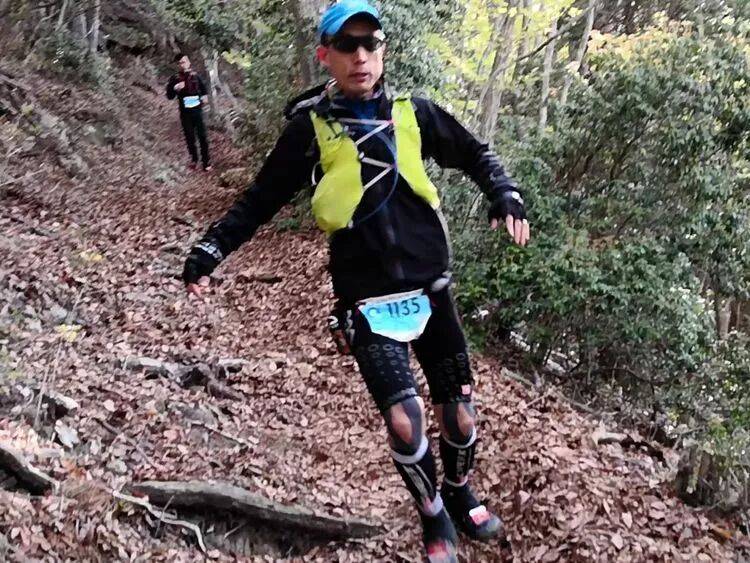
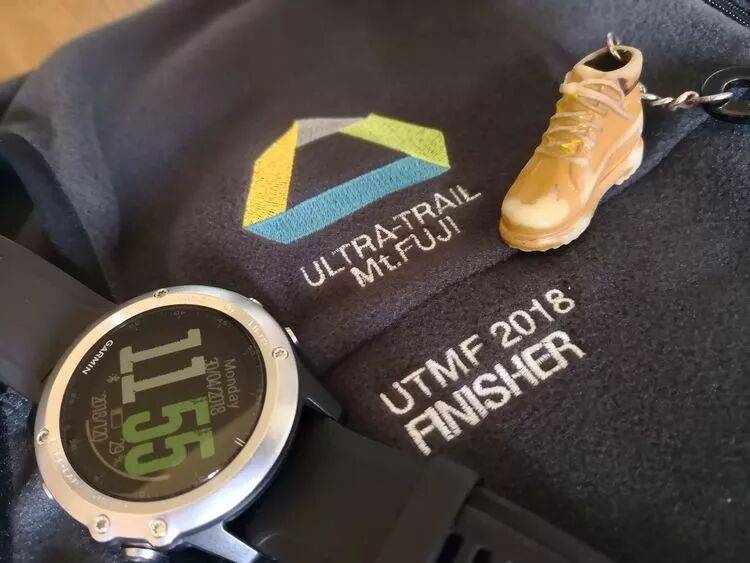
Cross the line together. Let the finish become the next start.
From a running diary first published on 27 May 2018 (TCMC WeChat account), condensed and translated in 2026. Three weeks before this race came the first self-navigated Hasetsune; by 2025 it had become a ritual, 18 times. The UTMF 2018 finish was the first of the 100-mile finishes.
第一个百英里完赛。同自然为伍,与心灵对话,44 小时 41 分。
第三次站在 UTMF 的起点。准备并不充分:年初流感倒下两周,月跑量勉强过 100 公里,基本以赛代练。3 月初在高尾阵马被细藤绊倒,左膝摔伤。之后的首尔马拉松、Hasetsune 72 公里、金山岭长城马拉松,都是带着这只膝盖跑完的。
前一晚最后检查装备,把儿子 3 岁时送的小鞋子挂在背包上。比赛当天,12 岁的他说:“爸爸不要勉强,这次不能完赛,下次再跑。”
开幕式上,赛事总监镝木毅说:不要把 UTMF 看作比赛,而要当作一次旅程;向家人、朋友和志愿者致谢。下午 3 点,按下跑表。心静如水。穿过拱门,和镝木毅击掌,上路。
前 22 公里到富士宫,按既定策略补水、电解质、能量胶、蛋白质和干果。左膝隐隐作痛。每一步都去感受地面的冲击,再把冲击分摊到两条腿上,尽量推迟伤痛显化的时间。胜负不在 50 公里,也不在 100 公里,而在 100 公里之后。
A2 之后夜色转冷。到龙岳 800 米爬升,生物钟催人入睡,两支含咖啡因的能量胶也赶不走困意。只守住一条:太冷,绝不能停下睡在路上。A3 想睡半小时,没睡着,一个喷嚏,感冒就在边缘。
天亮,富士山再次清晰。A4 换上干爽的背心、袜子和鞋,左膝加了护膝。白天的困意比夜里更狠:极度疲惫,记忆出现空白,有一次差点撞上停着的车。在路边躺了十分钟,没睡着,起身继续。A5 终于有了胃口。A6 有彻夜守候的朋友,一碗热面,还有一场叫声惊动整个补给站的按摩。
连续两夜不睡觉地奔跑,第一次。伤痛从左膝转移到右膝。4 月 29 日凌晨 3 点左右,身体和心理同时提出:暂停一切。在地上睡了几分钟。手机里是朋友们鼓励的消息。挂在背包上的小鞋子不停碰着后背,催着继续走。
赛前一周测的体脂只有 6%。到这时,已经没有可燃烧的脂肪,只剩肌肉,和吃到想吐的糖。
凌晨 4 点 40 分,晨光里的富士山。5 点 24 分,杓子山,海拔 1,598 米,全程最高点。大约 150 公里,最艰难的时刻已经过去。A9 连吃两碗面。之后,完赛已无悬念。
最后一段漫长的爬升,林间传来萨克斯。每届 UTMF 都在赛道边吹奏的那位大叔,一曲 Gonna Fly Now。最后 6 公里的爬升,是被旋律托上去的。
携手冲线,让终点成就下一个起点。
原文为跑步日记,2018 年 5 月 27 日首发于东京中国人马拉松俱乐部(TCMC)公众号,2026 年整理精简。赛前三周第一次自导航跑完 Hasetsune,之后成为每次大赛前的仪式,至 2025 年共 18 次。UTMF 2018 是第一个百英里完赛。
Races & mountains · Note 004 · Shinetsu Five Mountains Trail · Sep 2019赛事与山 · 第 004 篇 · 信越五岳 · 2019.9
Not a story about holding on. A story about estimating honestly, and then keeping the number.
Shinetsu Five Mountains links Madarao, Myoko, Kurohime, Togakushi and Iizuna across the Shinetsu highlands, more than 95% of it on trail. A 33-hour limit for 168 km and 7,100 m of climbing means close to 5 km/h for the whole race, aid stations and rest included. Fall behind early and the cut-offs do the rest.
From the day the entry was confirmed, that number ran in the blood. Before the race: an honest assessment of current fitness, a split for every section, and a double check of the plan at every aid station. The plan said finish 30 minutes before the cut-off. The result was 8 minutes. The estimate held.
The first attempt, in 2017, was the 110 km race, cut to 52 km by heavy rain. This was the second time, and the fourth 100-mile start.
More than 500 runners at the start, a mild evening, the crowd shouting ganbare. Around 5 km, Amia passed at speed. Following him felt good for three or four kilometres, at 8–9 km/h. Then the legs said it: not my pace. Back to 6–7 km/h. A1 at 22 km, fifteen minutes ahead of plan.
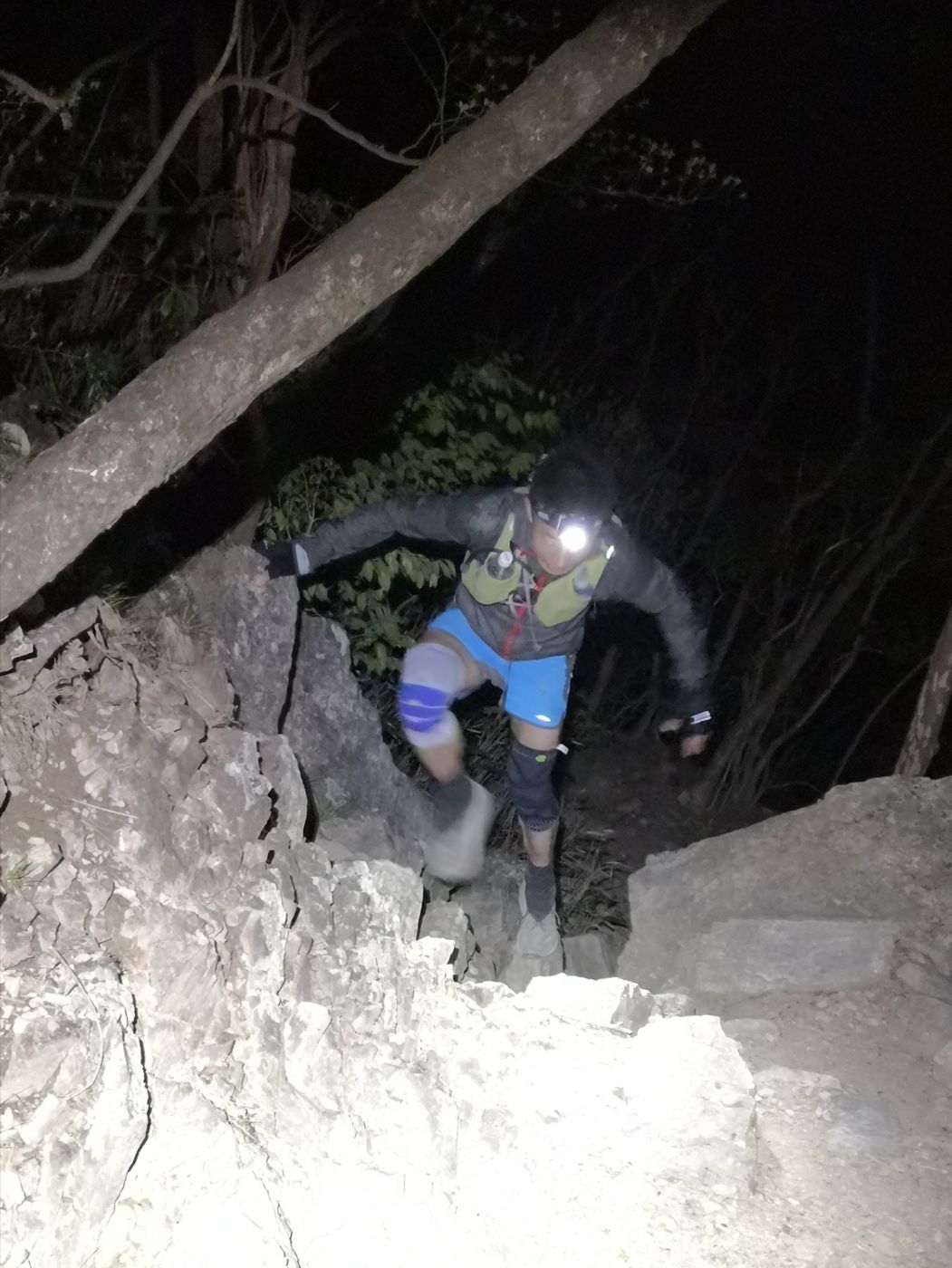
Bedtime is 22:30, every night, for years. Two weeks before the race, coffee stopped completely, so that caffeine would work when it mattered. At midnight, sleep and fatigue arrived together. Sitting down on the trail, the wish to lie down was strong. Lying down would mean sleeping, and sleeping at night in the mountains means losing heat. Half a bottle of concentrated caffeine, stand up, walk on. Two to three hours of mud and fog before the lights of the next aid station.
Joetsu-Myoko, 55 km. Amia had arrived half an hour earlier and was still lying down; weeks of overtime had drained him before the start. Being ahead of plan bought some time. Twenty minutes of waiting, then two or three kilometres together, slower than the plan. He did not recover. He told me to go. Some decisions on the trail are made by the other person, and the right thing is to accept them. He did not finish that year. Bringing him to the line was the plan; it stays a small regret.
05:30, the 60 km sign. A hundred kilometres still to go, and the mood at its lowest. Keep going. 05:58, the first light. The view opened, and a body at its limit began to come back. 13:17, the 100 km sign, which looked far friendlier than the 60. No injury, no incident; with every kilometre the odds of finishing rose a little. Cows by the trail, and the thought of raw milk was enough to lighten the step. A stream crossed, and the irritation went quiet.
The second night. Then, far ahead, the finish lights and the announcer reading names. All sleepiness gone at once. At 03:22, across the line, my name in slightly wrong pronunciation. 32 hours 51 minutes 38 seconds. Eight minutes inside the limit.
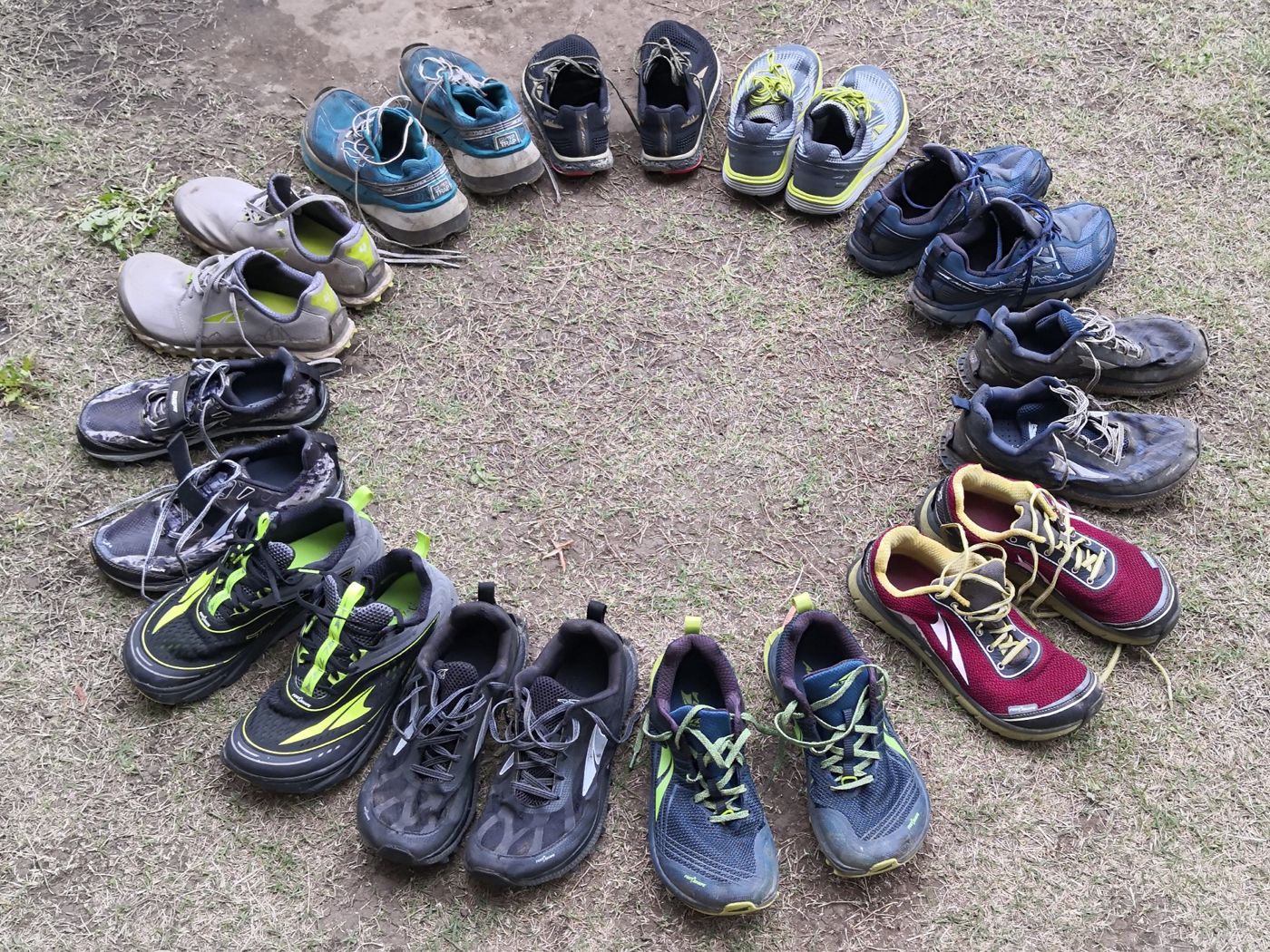
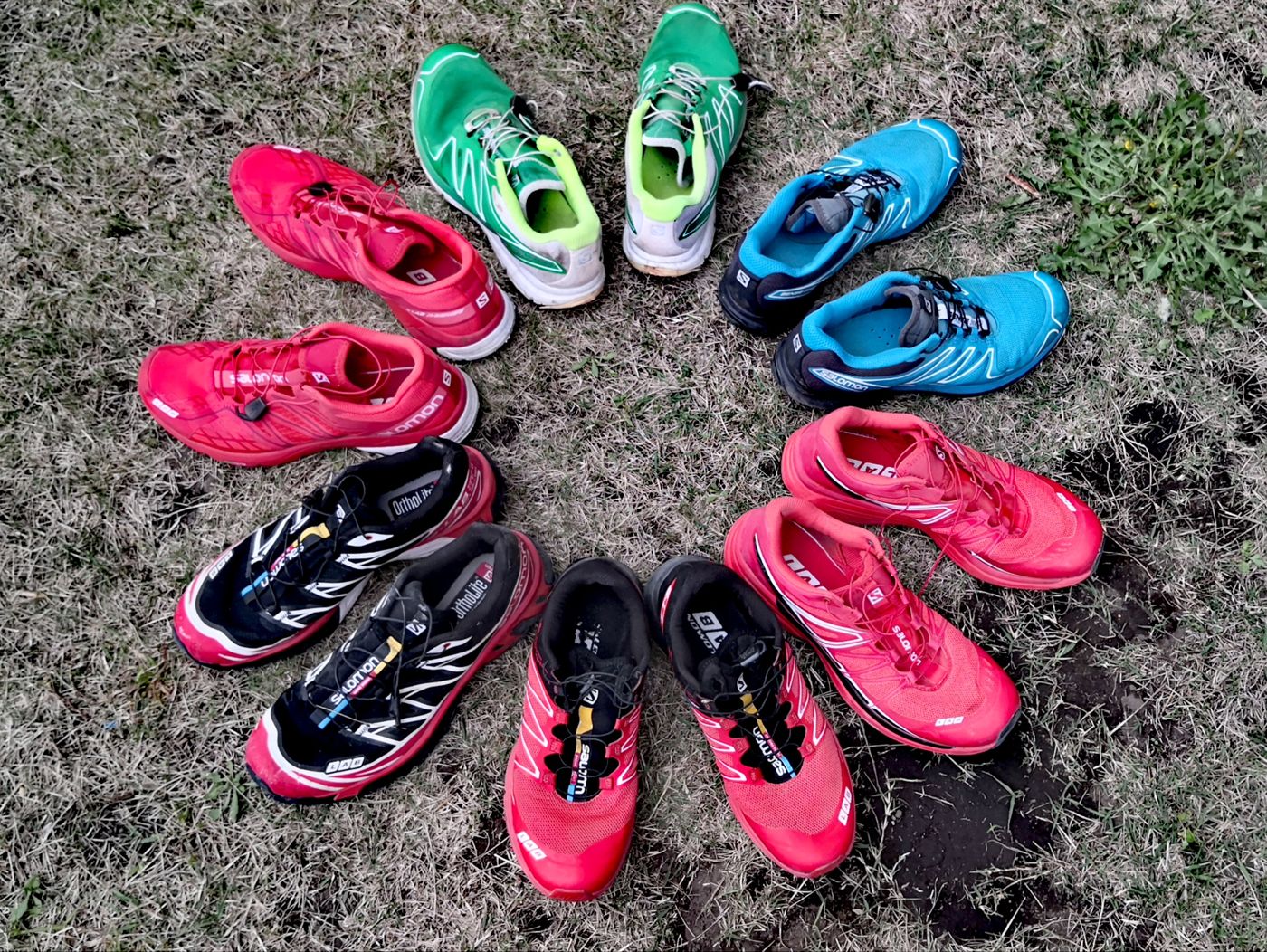
Adapted from a column written in 2021 for the Altra trail-running column on WeChat, condensed in 2026.
这不是一个硬扛的故事。这是一个诚实估算、然后守住数字的故事。
信越五岳把斑尾山、妙高山、黑姬山、户隐山、饭绳山连成一条线,95% 以上是山径。168 公里、7,100 米爬升、33 小时关门,意味着全程平均接近每小时 5 公里,补给和休息都算在里面。前面稍一落后,关门时间就会替你做决定。
从报名成功那天起,保持配速这个意识就在血液里流淌。赛前诚实评估当时的实力,给每一段定好时间,每到一个补给点就对照计划 Double Check。计划是提前 30 分钟完赛,实际是关门前 8 分钟。估算是准的。
第一次来是 2017 年的 110 公里组,因暴雨缩短到 52 公里。这是第二次,也是第 4 次站上百英里的起点。
500 多名选手,微风,满场的 Ganbare。5、6 公里处 Amia 飞快地超过去。跟上去的那三四公里很爽,时速 8–9 公里。然后腿告诉我:这不是我的配速。退回 6–7 公里的巡航速度。A1,22 公里,比计划早 15 分钟。
多年来每晚 22:30 入睡。赛前两周彻底戒掉咖啡,好让咖啡因在需要的时候起作用。午夜 12 点,困和倦一起到了。坐在路边,非常想躺下。躺下就会睡着,深夜在山里睡着就会失温。喝掉小半瓶浓缩咖啡因,起身,继续走。泥泞里又和困意斗了两三个小时,才看到下一个补给点的灯光。
上越妙高,55 公里。Amia 已经到了半小时,还在躺着;赛前连续加班,状态一直不好。好在我比计划提前,有时间可以花。等了 20 分钟,一起跑了两三公里,比计划慢。他没有缓过来,让我先走。山路上有些决定是对方替你做的,接受它,就是对的。那一年他没有完赛。本想把他带到终点,这是一点小小的遗憾。
5 点半,60 公里路标。还有 100 公里,心情跌到谷底。Keep going。5 点 58 分,第一道曙光。视野打开,到了极限的身体慢慢复苏。13 点 17 分,100K 的牌子,比 60 公里那块顺眼多了。没有伤痛,没有意外,每多跑一公里,完赛的几率就高一点。路边的牛,想到一口没有加工过的牛奶,脚步就轻了。蹚过一条溪,烦躁也静下来了。
第二个夜晚。远远看见终点的灯光,听见主持人报名字,困意一下全没了。凌晨 3 点 22 分冲线,听到自己的名字被念得不太标准。32 小时 51 分 38 秒。关门前 8 分钟。
原文为 2021 年应邀为 Altra 越野跑专栏撰写的文章,2026 年整理精简。
Races & mountains · Note 005 · Okutama, Tokyo · 2018 – 2025赛事与山 · 第 005 篇 · 东京奥多摩 · 2018 – 2025
No bib, no cut-off, no one waiting at the finish. Eighteen times around the same 71.5 km, and not once off the mountain early.
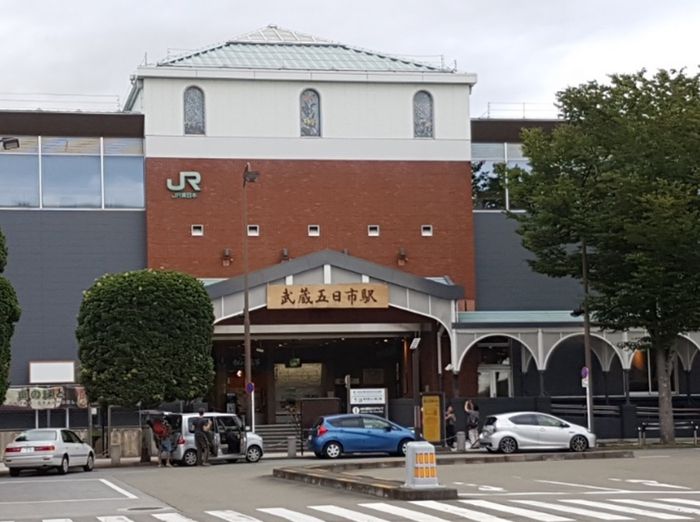
Hasetsune, the Japan Mountain Endurance Race (Hasegawa Tsuneo Cup), is an old Tokyo classic: 71.5 km, 4,582 m of climbing, a loop through the Okutama mountains from Musashi-Itsukaichi and back, run through the night. Among Tokyo trail runners it works like a password: have you done Hasetsune?
The first trail race, in April 2014, was the Hasetsune 30K: 5:00:44. The full race in October that year never happened for me; in 2019 a typhoon cancelled it. The official bib never came. The road did, eighteen times, self-navigated and self-supported.
The first full loop was 8 April 2018: 16:06:25. Nineteen days later, the start line of the first 100 miles, UTMF. In 2020, with every race cancelled, the runs were logged as "Hasetsune Cup 2020", stage 1 to stage 5, February to June, all between 15:43 and 16:43. The steadiest year on this road.
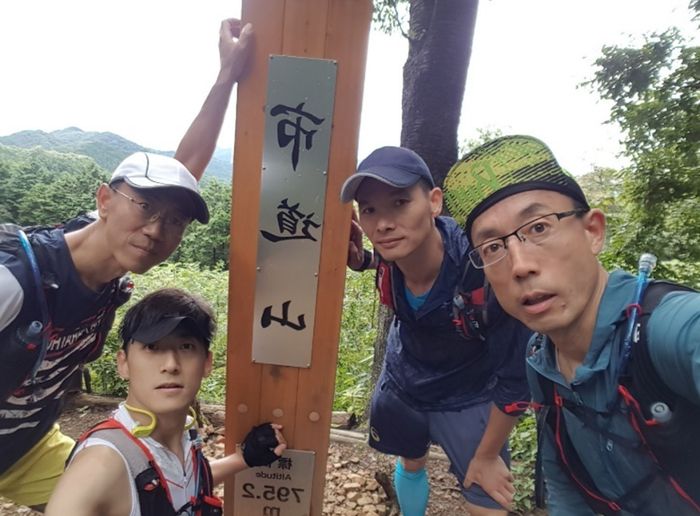
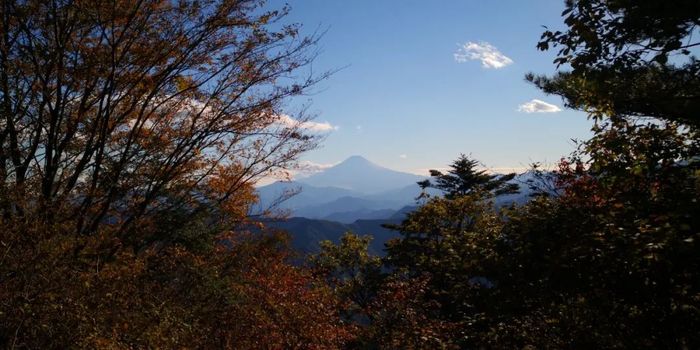
Snow on the ridges. Rain that does not stop. Wind on the exposed sections. Getting lost in the middle of the night. Cold that goes into the bones. About half of the eighteen were alone; several with Amia, others with friends.
Water decides the day. Two to two and a half litres is the limit of what can be carried, and there is nothing until the halfway point at 36 km except one natural spring near 22 km. On hot summer ridges, that spring is the difference between finishing and not.
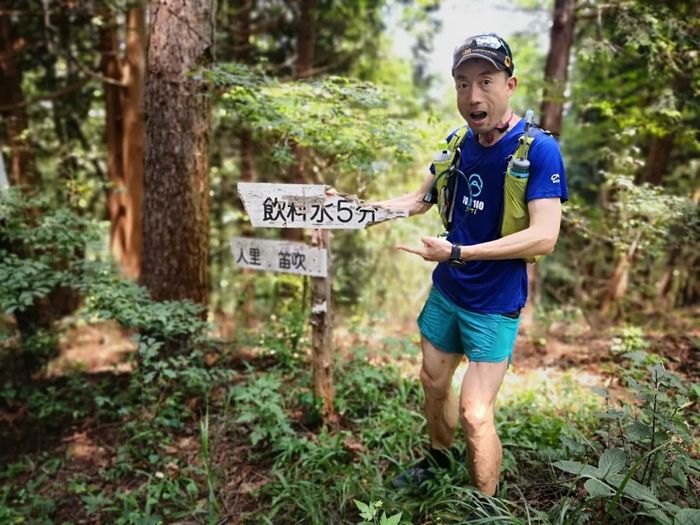
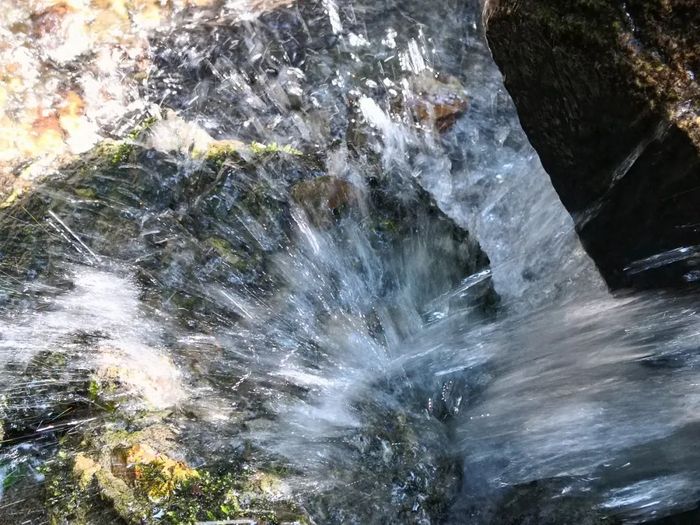
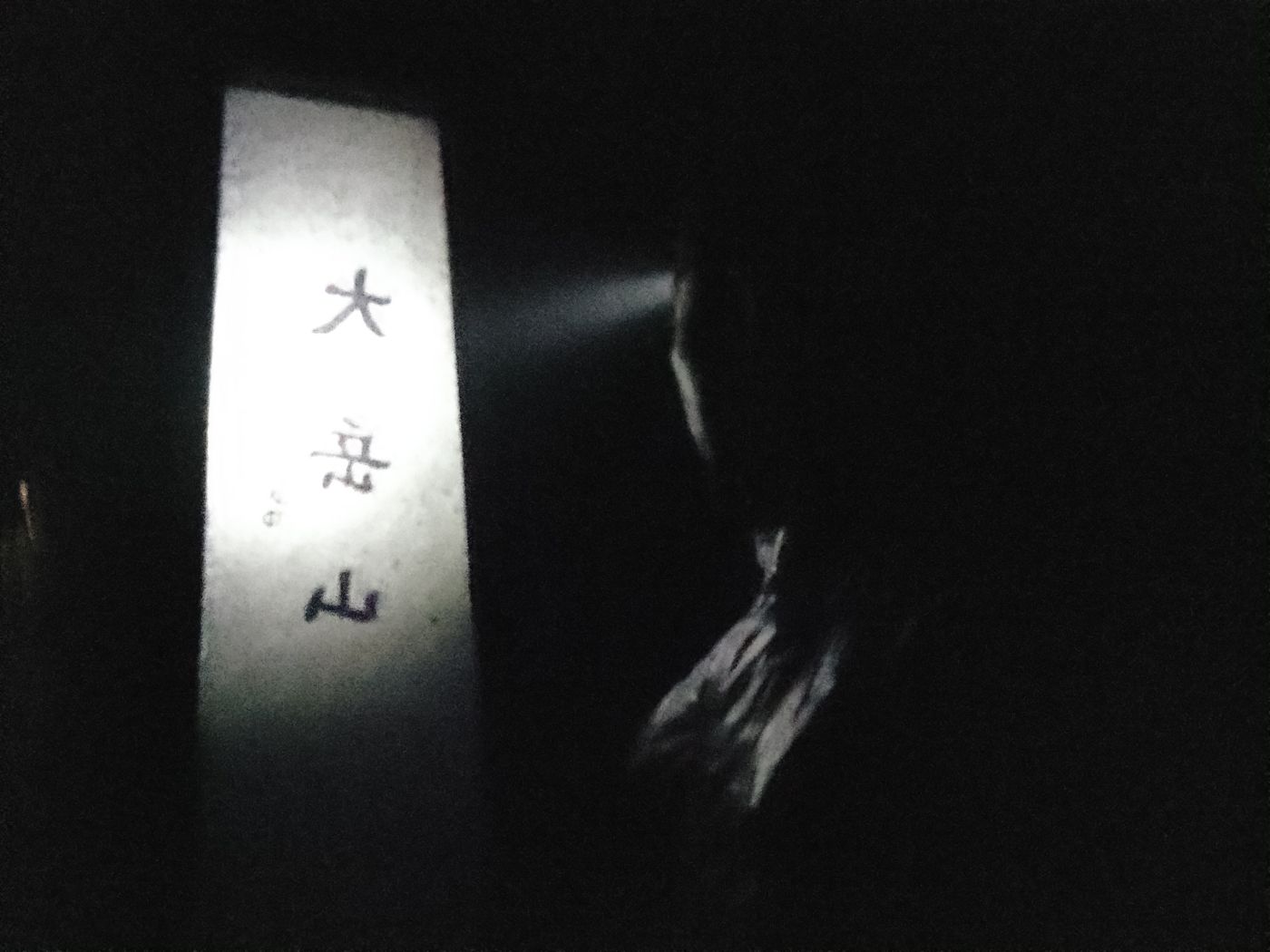
At night, the headlamp sometimes catches a pair of eyes glowing red between the trees, and they do not move. Deer, most likely. Bear sightings have been reported in the Okutama mountains in recent years. Out there, on your own, the honest answer is respect: make noise, keep moving, and know where you are.
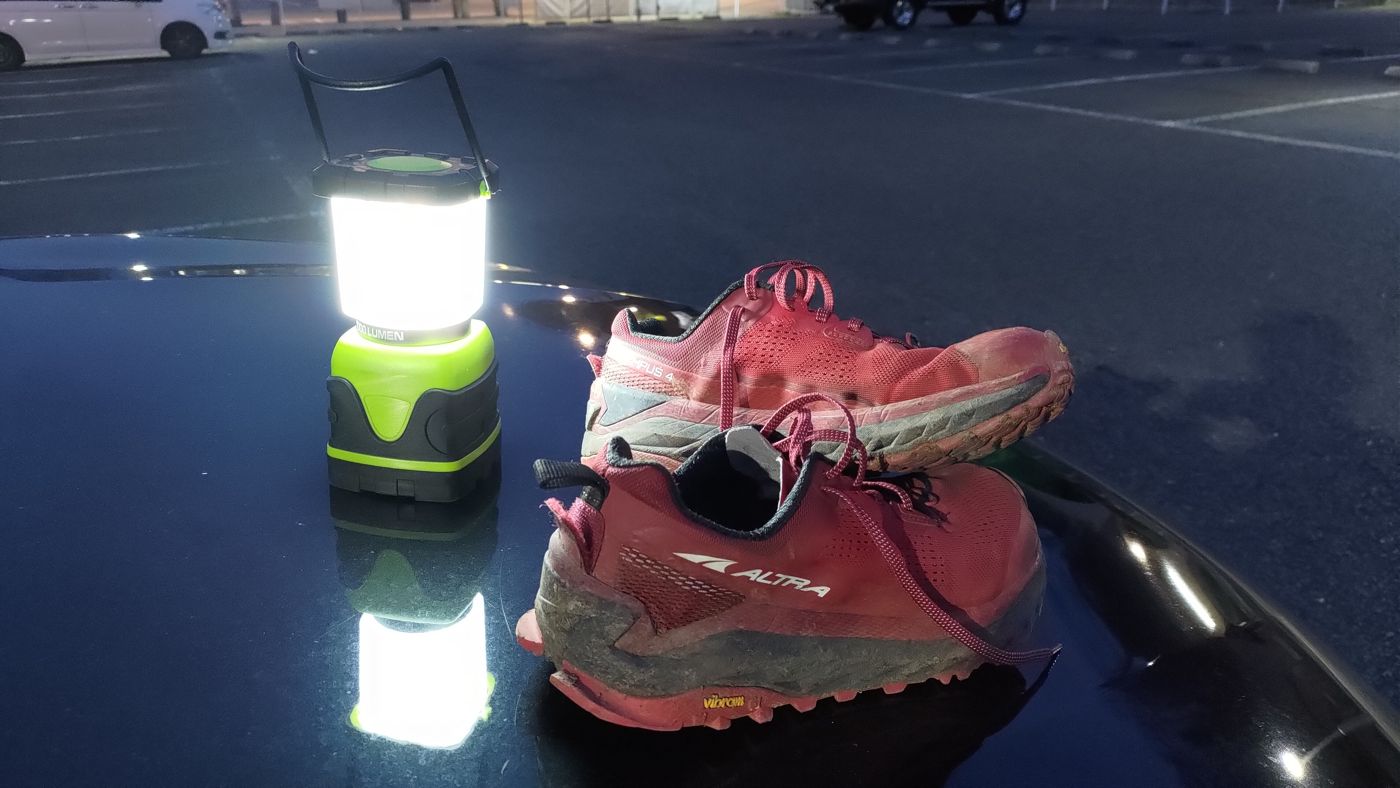
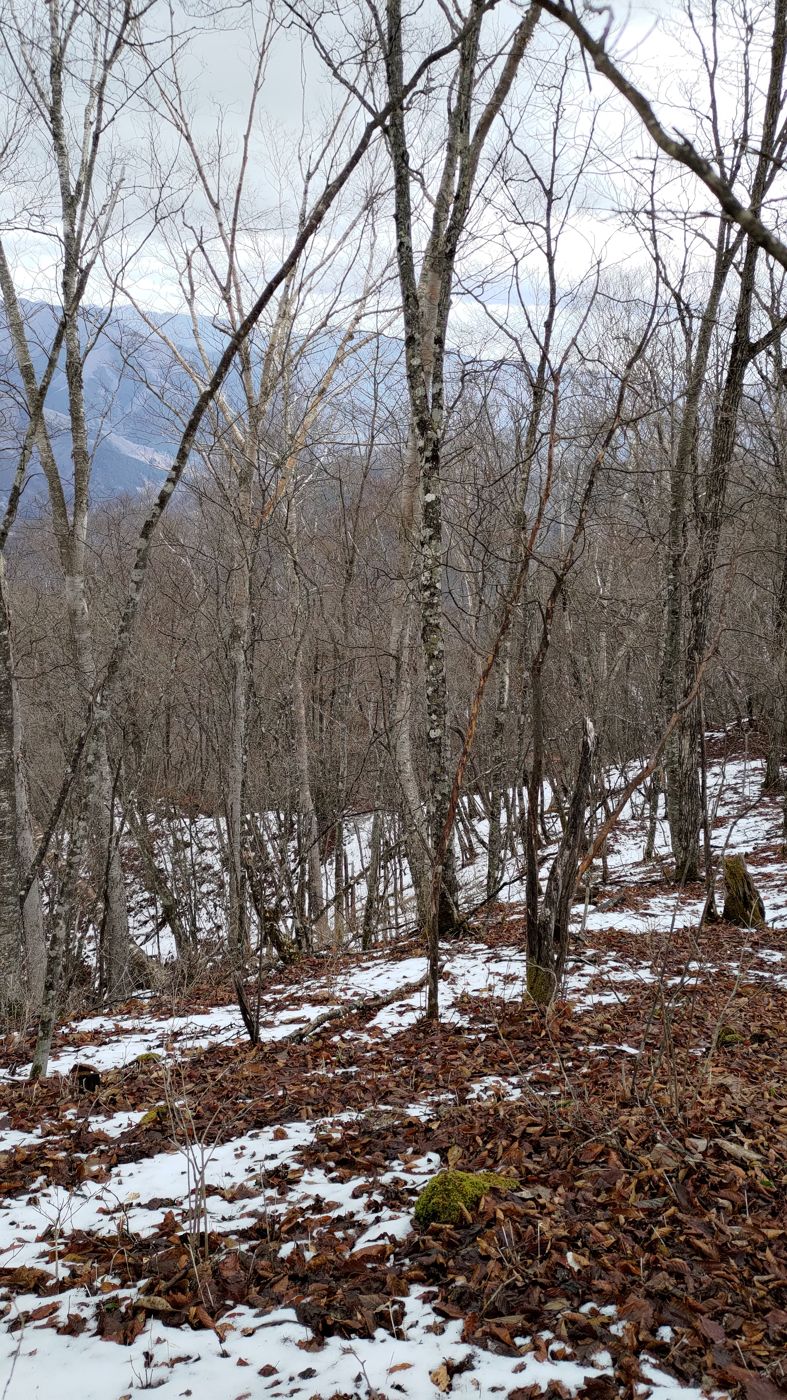
Lined up against the race record, the pattern is clear. April 2018, then the first UTMF. Three loops in July and August 2019, then Shinetsu 100 miles, finished 8 minutes inside the limit. Three in spring 2022, then UTMF 165K. September 2024, then Trans Jeju. A snow loop in February 2025, then Xiamen. Hasetsune became the measuring stick: where is the body, where is the mind, can the whole 71.5 km still be done.
Not because of speed. The fastest of the eighteen took fifteen and a half hours, the longest twenty-two. On this road there is no cut-off to push, no bib to answer to, no one at the finish. The only thing that brings you back to Itsukaichi is yourself. Not quitting was never bravado. It came from preparation: assess, check the kit, plan for the worst, then go.
The words engraved on the back of an old iPad: the key was not how fast he could run, but how fast he could run while tired. The second half of Hasetsune is what that sentence looks like.
To be continued. The first full loop, the 22-hour night of March 2022, the snow loop of 2025, and the one time it was hardest to keep going: still being written.
Data: Garmin Connect, actual elapsed time. Official course 71.5 km / 4,582 m; distances are as measured by the watch. One record's elevation data was invalid and is excluded from the climbing total.
没有号码布,没有关门时间,终点也没有人在等。同一条 71.5 公里,跑了 18 次,没有一次中途下山。
HASETSUNE,日本山岳耐久赛(长谷川恒男杯),东京的老牌山地耐力赛:71.5 公里,累计爬升 4,582 米,从武藏五日市出发,绕奥多摩群山一圈再回来,跑过一整夜。在东京的越野跑者里,它像一个暗号:你跑过 HASETSUNE 吗?
第一场越野赛就是 2014 年 4 月的长谷川 30K,5:00:44。那年 10 月的正赛最终没能去成;2019 年正赛又因台风取消。正赛的号码布一直没有拿到。这条路却跑了 18 次,自导航、自补给。
第一次全程是 2018 年 4 月 8 日,16:06:25。19 天后,站上第一个百英里 UTMF 的起跑线。2020 年所有比赛停摆,就在 Garmin 里给自己记成「HASETSUNE CUP 2020」,第 1 站到第 5 站,2 月到 6 月,全部在 15:43 到 16:43 之间。这是跑这条路最稳定的一年。
山脊上的雪。下个不停的雨。裸露路段的大风。半夜迷路。冷到骨头里。18 次里大约一半是独自跑的;和 Amia 跑过几次,其余是和其他跑友。
水决定这一天。能背的极限是 2 到 2.5 升,到 36 公里的半程之前什么都没有,只有 22 公里附近的一处天然山泉。夏天暴晒的山脊上,那口泉就是完成和放弃之间的距离。
夜里,头灯有时会照到林间一双发红的眼睛,一动不动。多半是鹿。近几年奥多摩山区也有熊出没的报道。一个人在山里,诚实的答案只有敬畏:弄出声响,保持移动,清楚自己在哪里。
把 18 次和比赛记录放在一起,规律很清楚。2018 年 4 月,然后第一次 UTMF。2019 年 7、8 月跑了三次,然后信越五岳百英里,关门前 8 分钟完赛。2022 年春天三次,然后 UTMF 165K。2024 年 9 月,然后济州。2025 年 2 月雪山版,然后厦门。长谷川成了标尺:身体在哪里,心在哪里,71.5 公里还能不能完整地跑下来。
不是因为快。18 次里最快也要 15 个半小时,最长 22 小时。这条路上没有关门时间逼你,没有号码布约束你,终点也没有人等你。能把你带回五日市的,只有你自己。不中途退出不是逞强,是因为准备好了:评估自己、检查装备、做好最坏的打算,然后出发。
旧 iPad 背面刻着一句话:关键不在于跑多快,而在于累了以后还能跑多快。长谷川的后半程,就是这句话的样子。
待续。第一次全程、2022 年 3 月那个 22 小时的夜、2025 年的雪山版,以及最难坚持的那一次:还在写。
数据:Garmin Connect,实际用时。官方路线 71.5 公里 / 4,582 米;距离为手表实测。其中一次的爬升数据异常,未计入累计爬升。
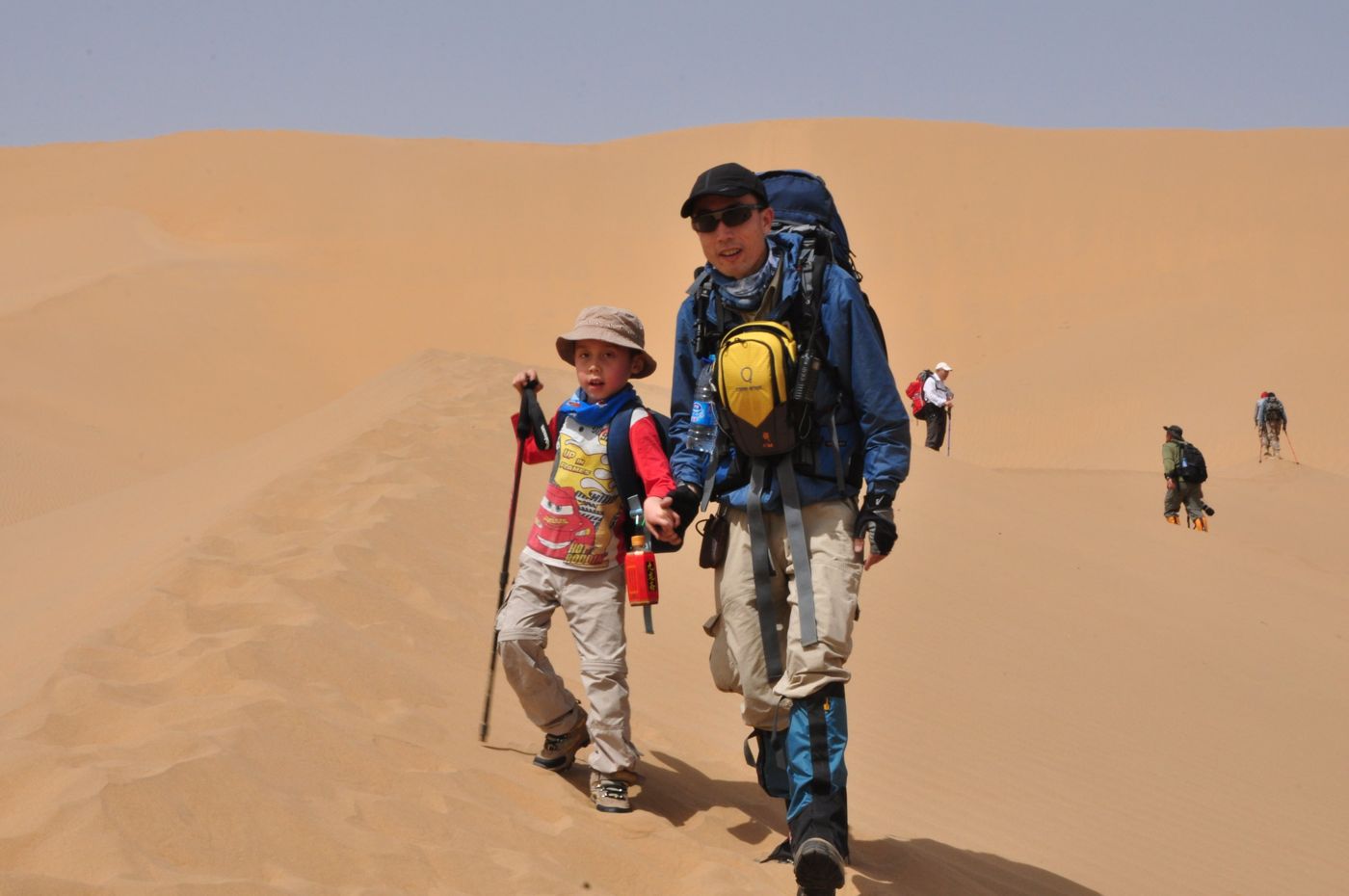
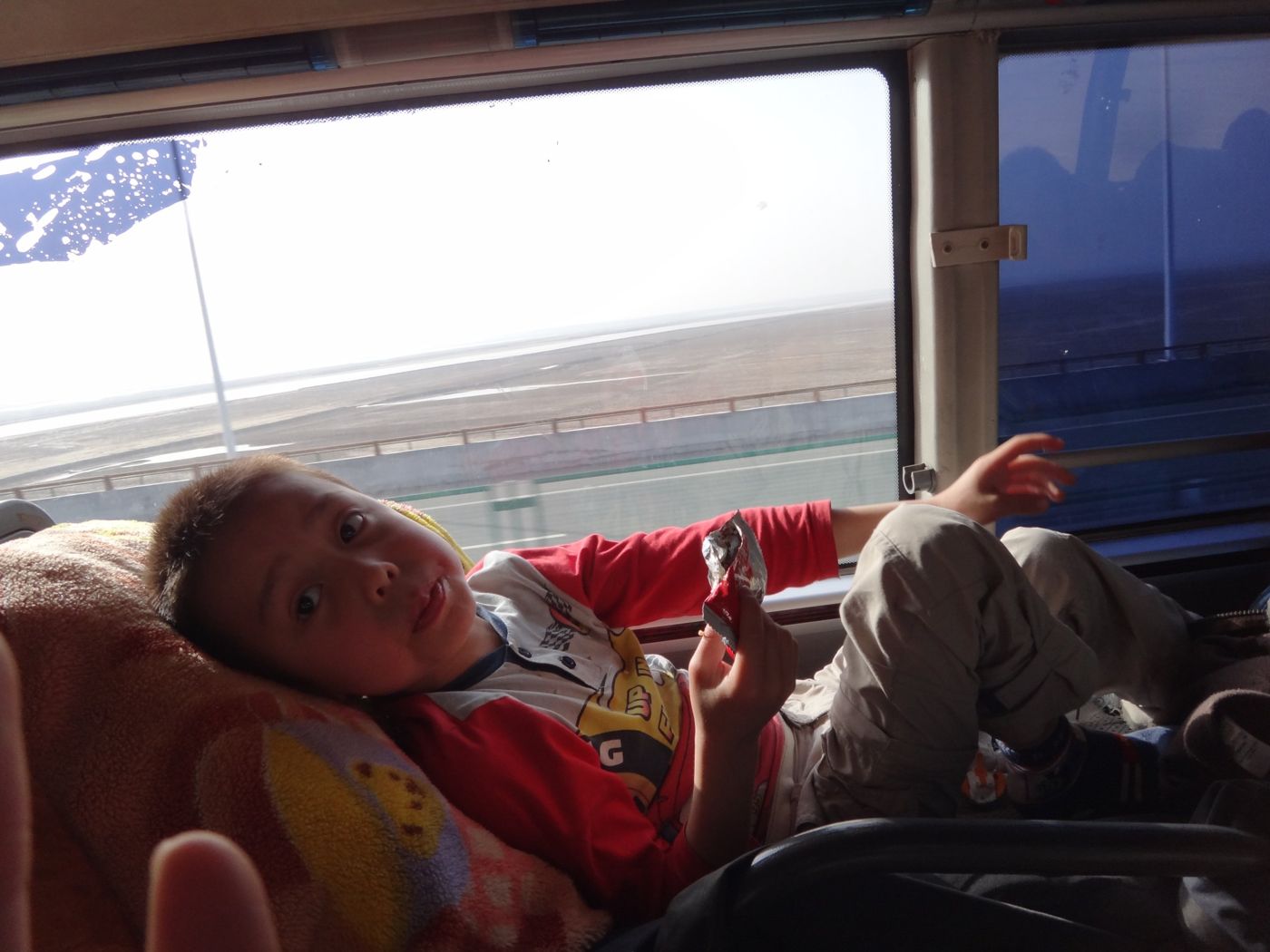
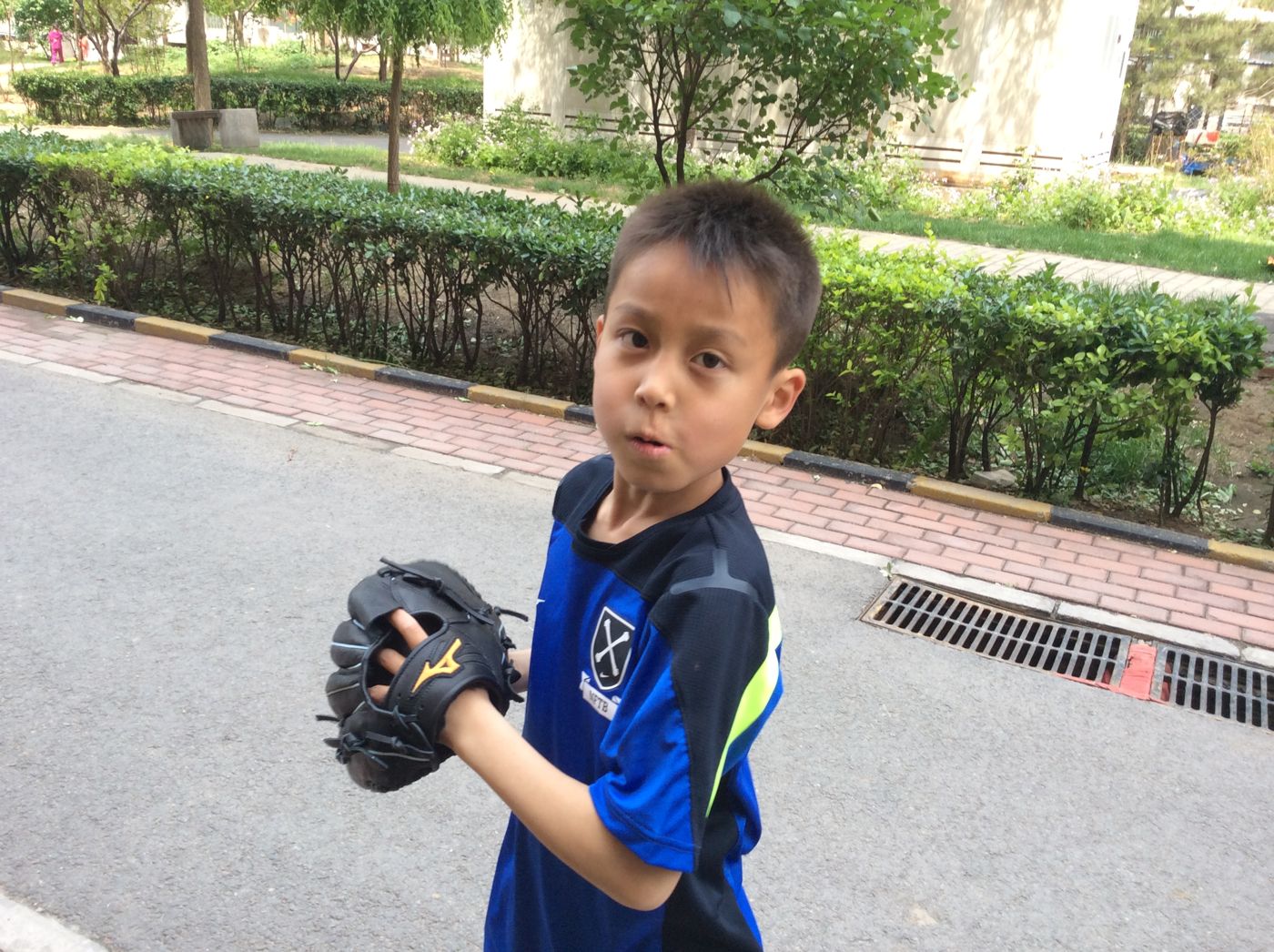
Father and son · 2009 – 2015父与子 · 2009 – 2015
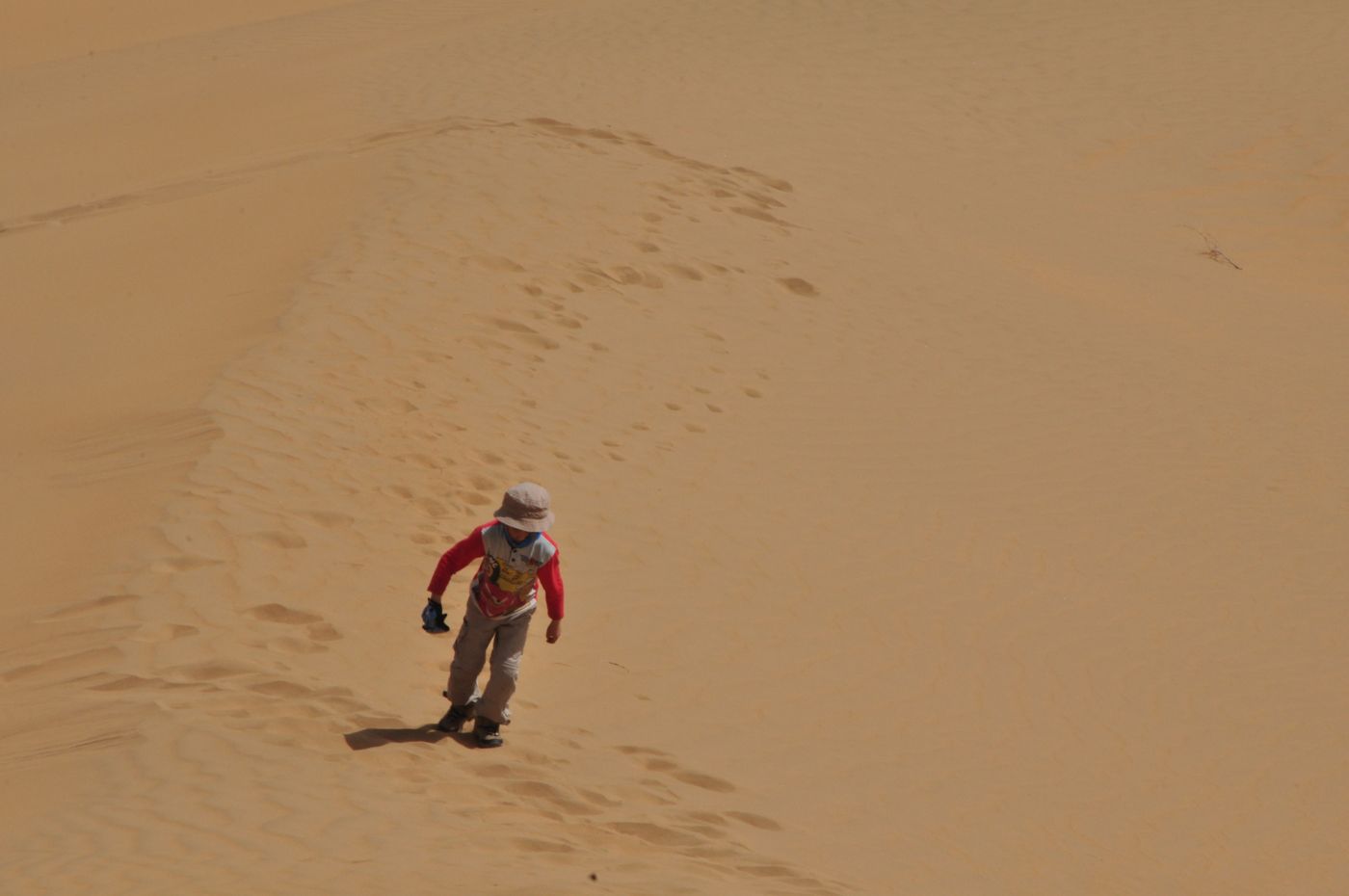
Before he ever ran, he walked. Before he ever talked about it, he went.在会跑之前,他先学会了走。在谈论远方之前,他先去了远方。
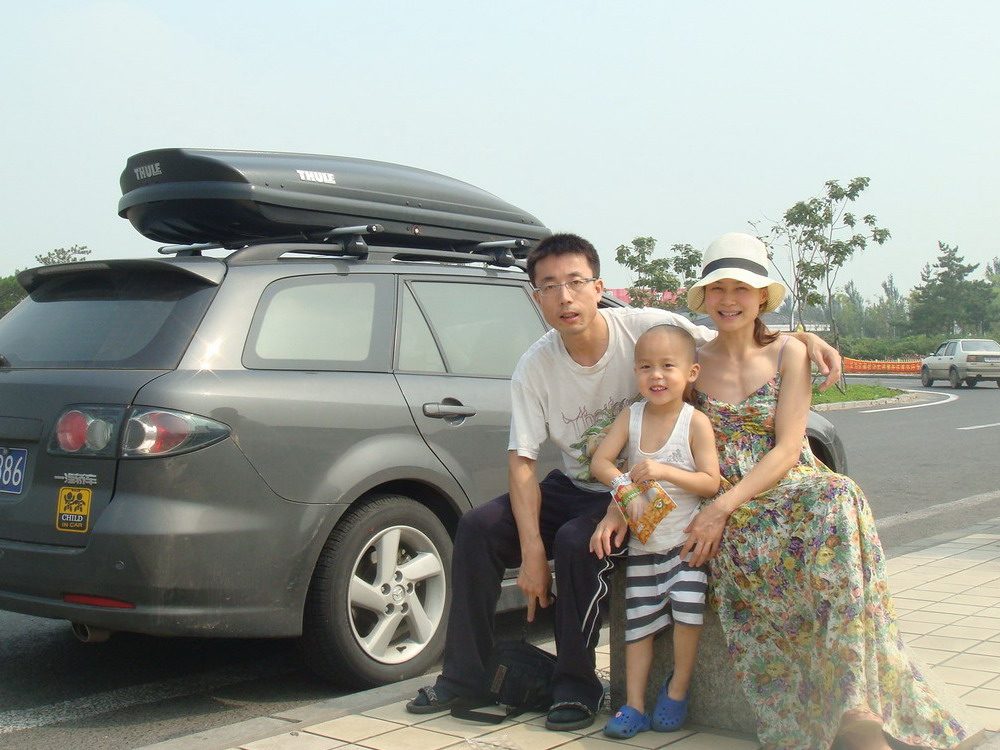
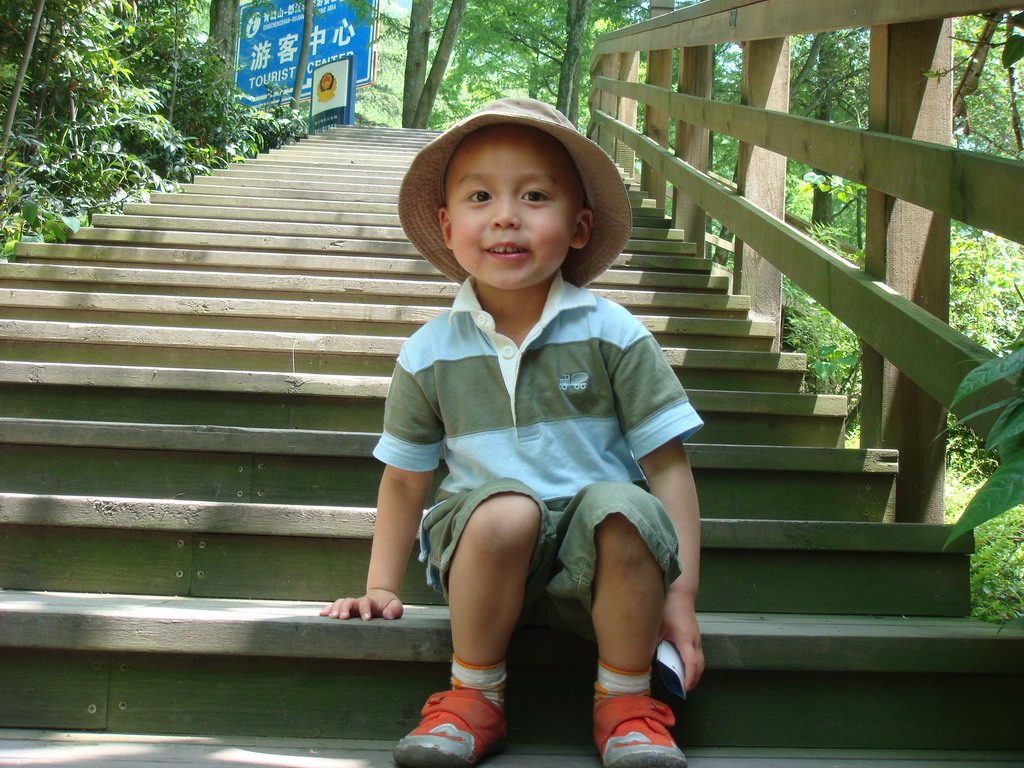
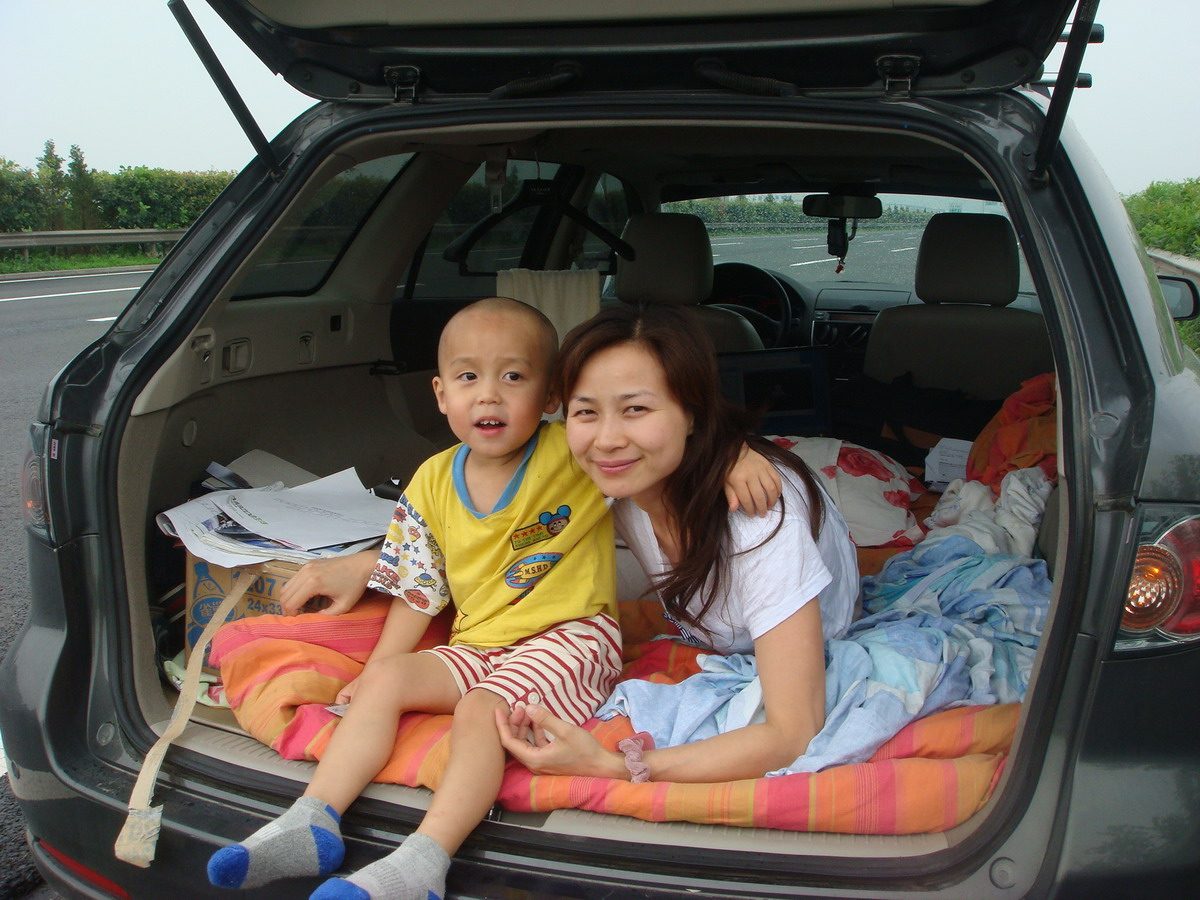
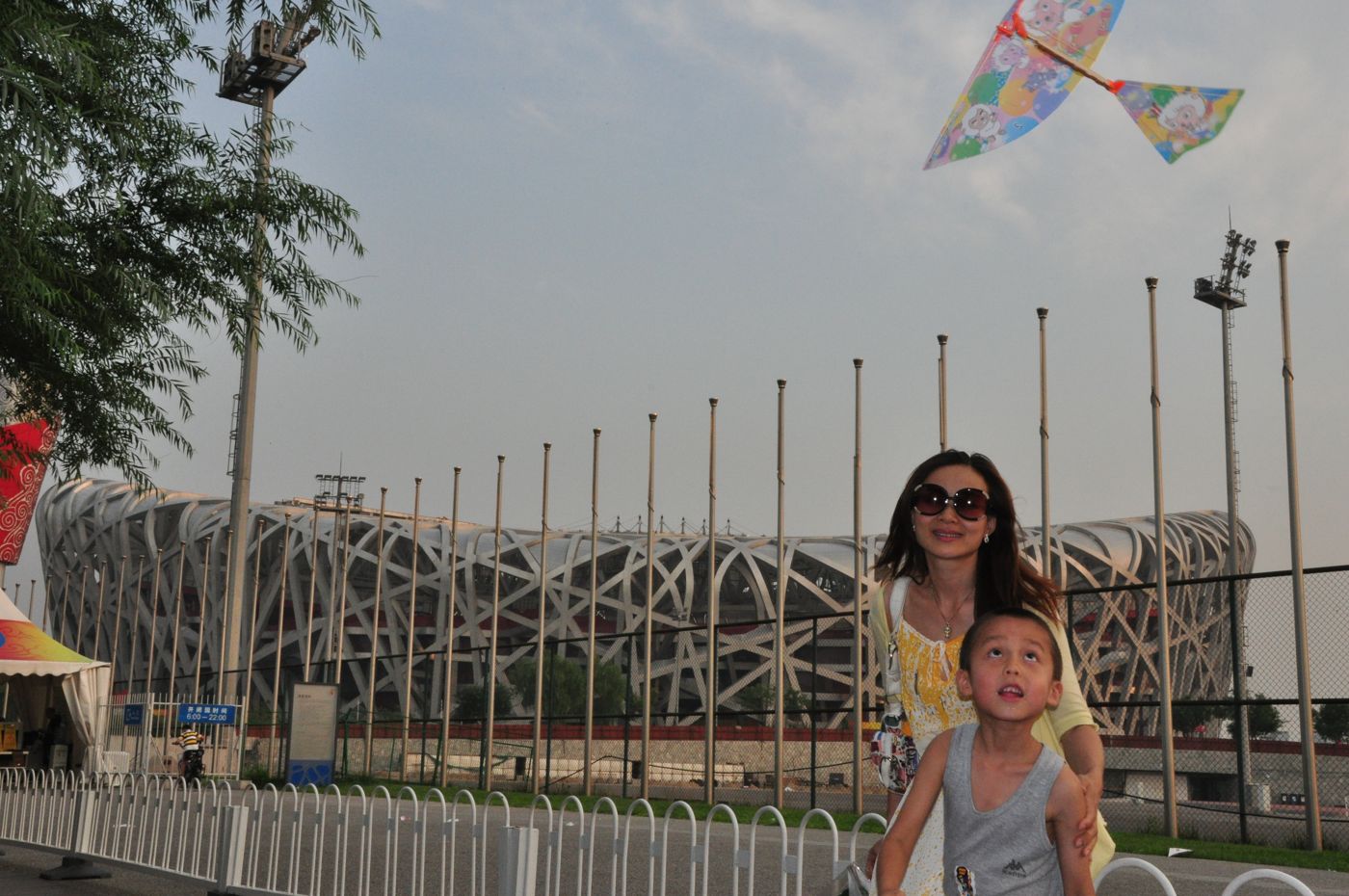
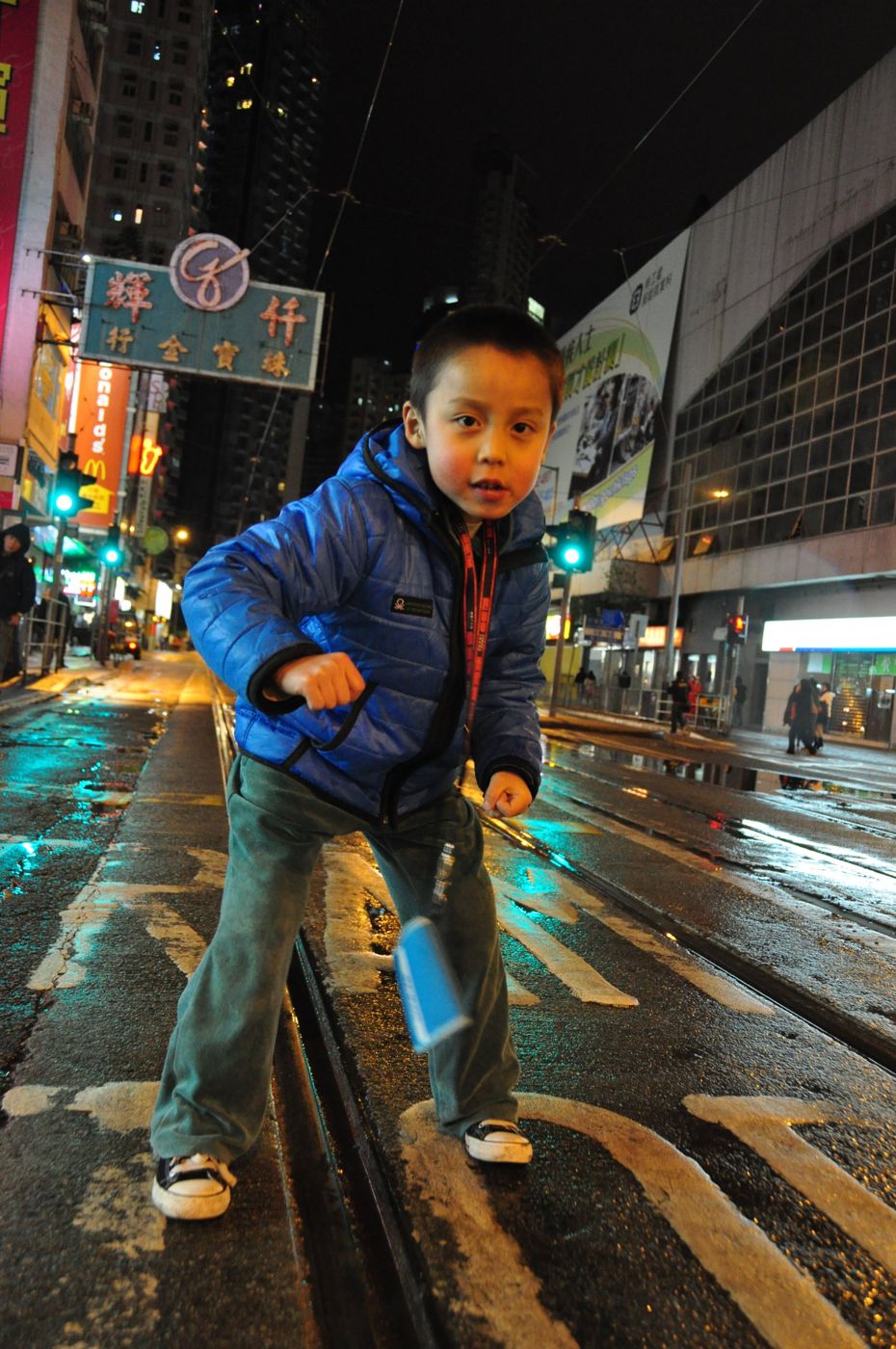
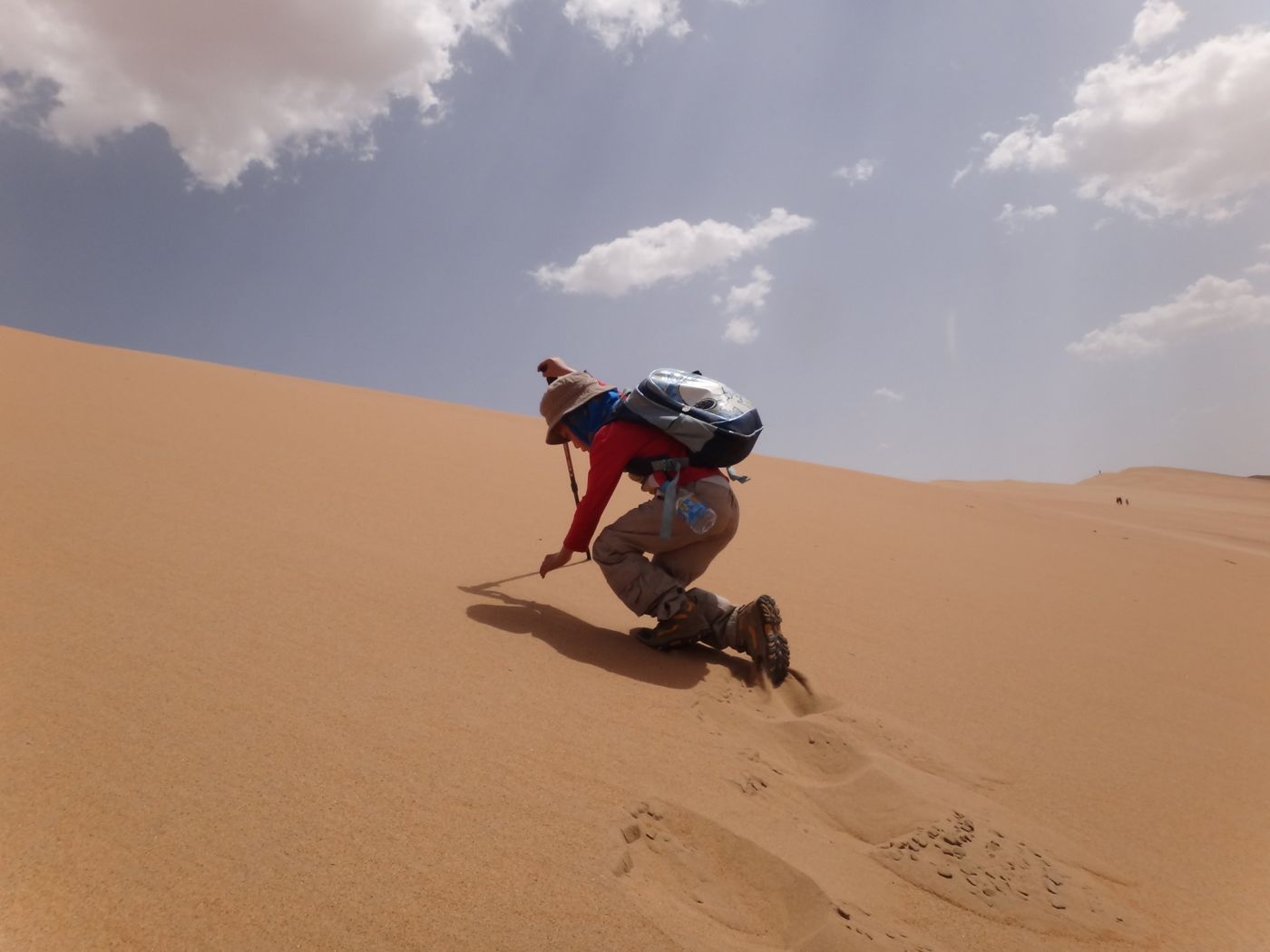
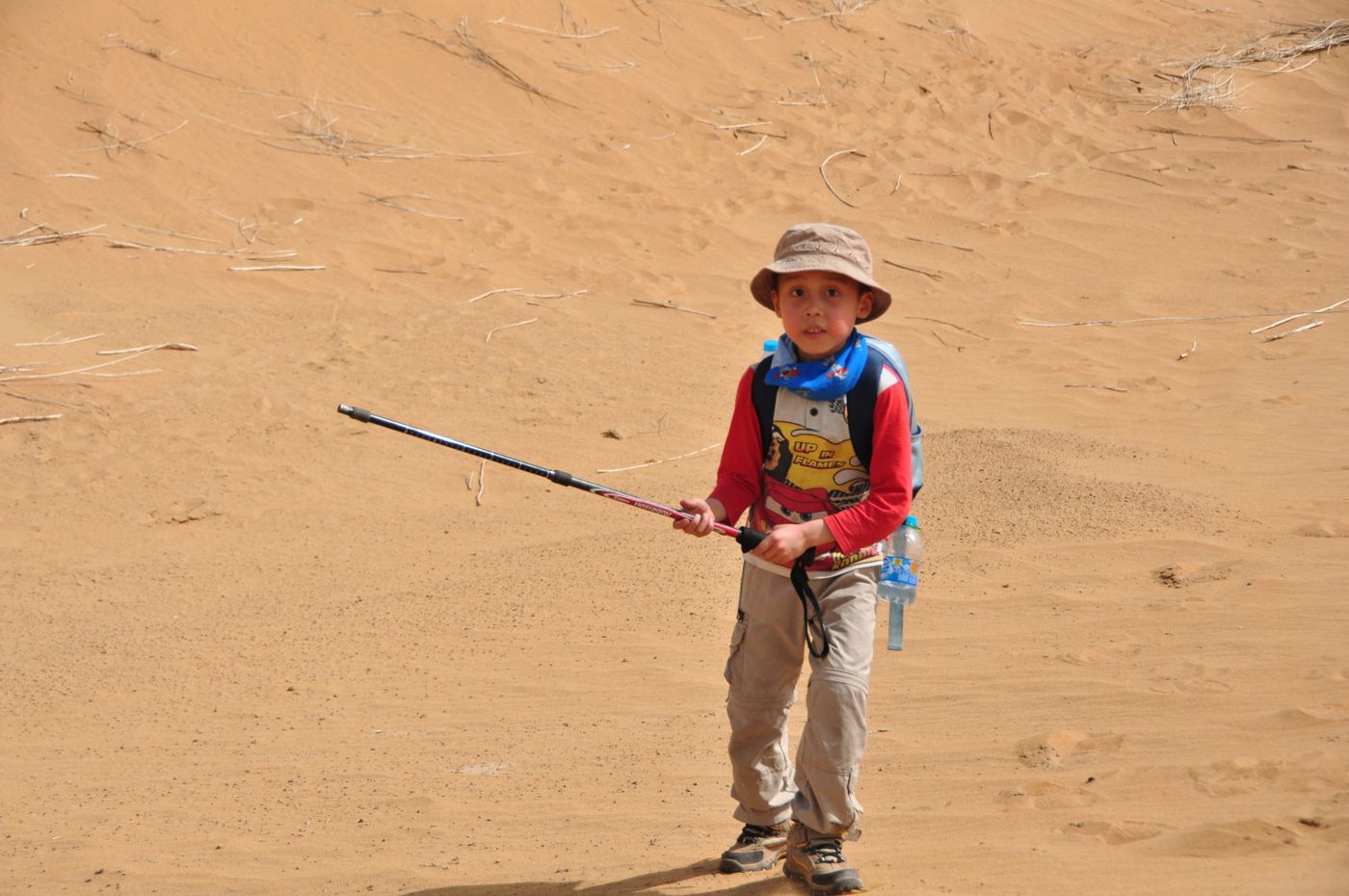
More than ten kilometres on foot across the dunes. His own pack, his own pole, his own water. When the slope got steep, he went down on his hands and kept climbing. Nobody carried him. In October that year, the family moved to Tokyo.在沙丘上徒步十几公里。自己的背包,自己的登山杖,自己的水。坡陡了,就手脚并用往上爬。没有人背他。那年 10 月,全家搬到了东京。
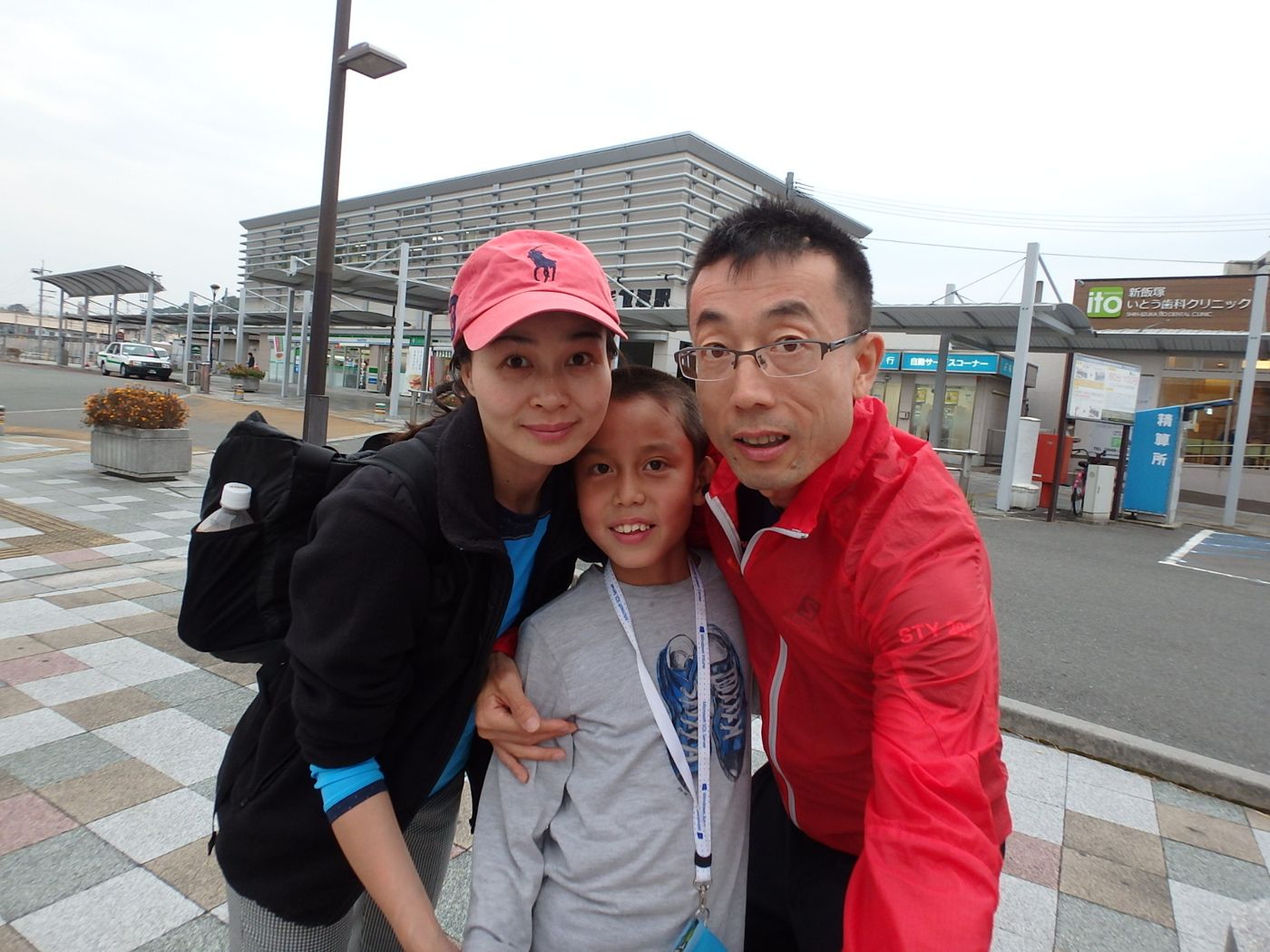
People on the road · 2007 – 2025路上的人 · 2007 – 2025
A few names. Each one earned with nights, climbs, or decades.几个名字。每一个,都是用长夜、陡坡或几十年换来的。
Amia
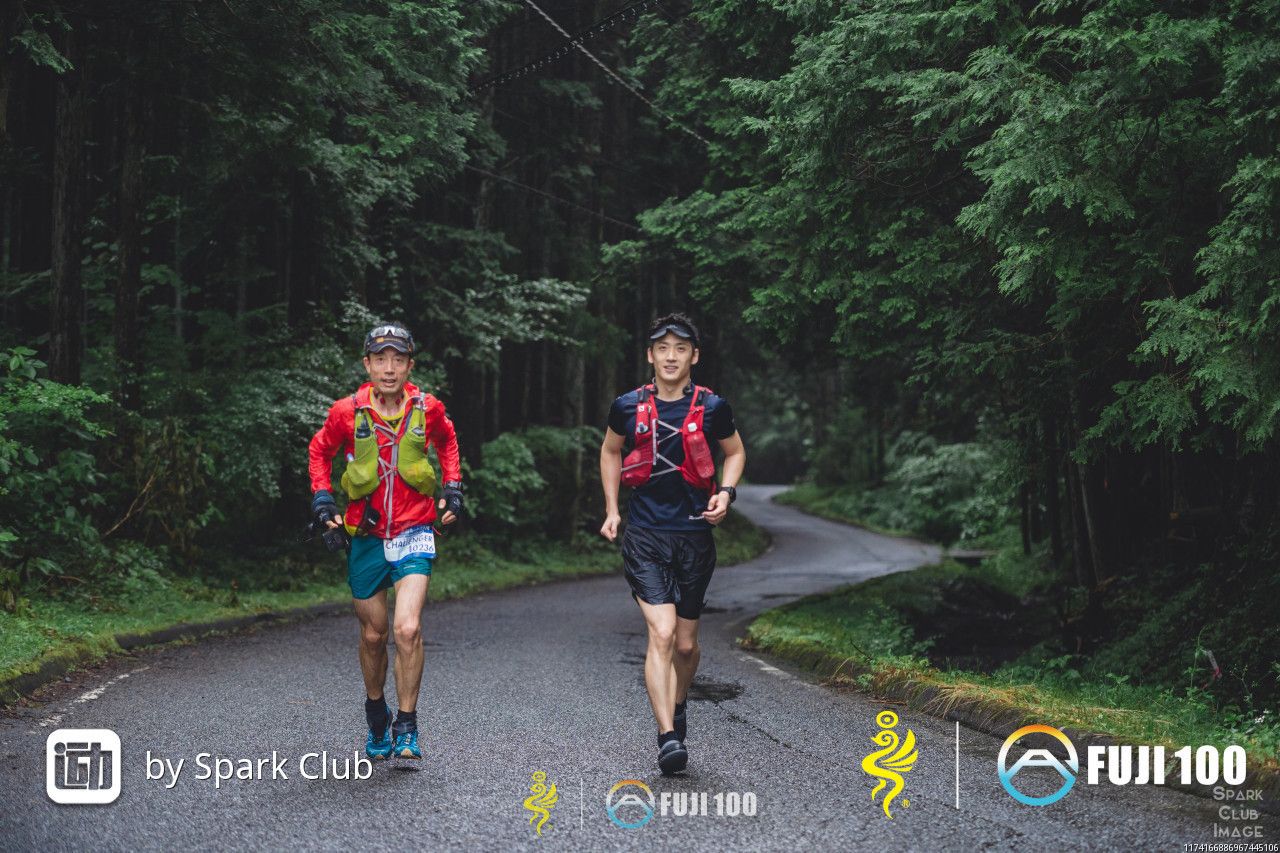
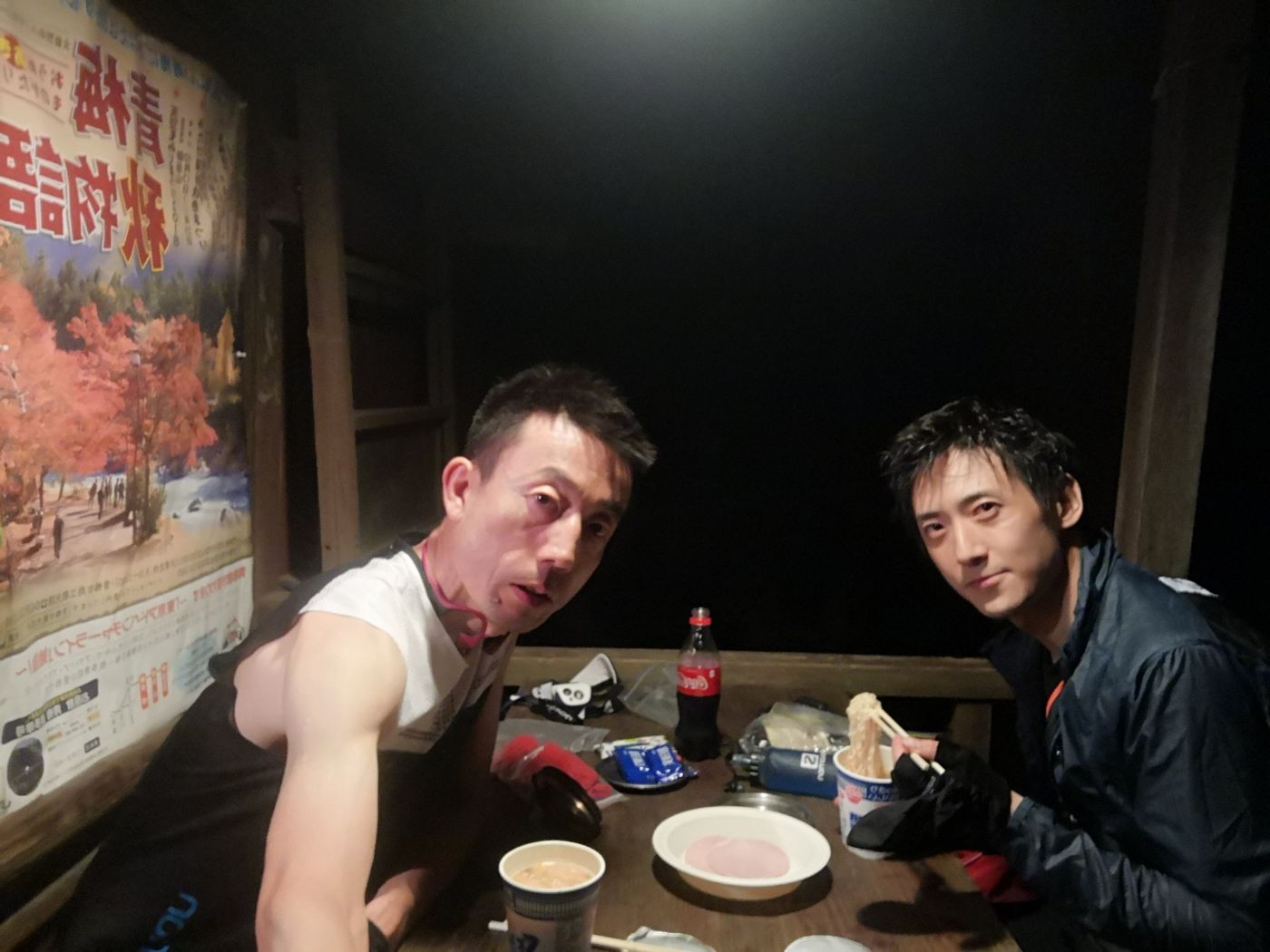
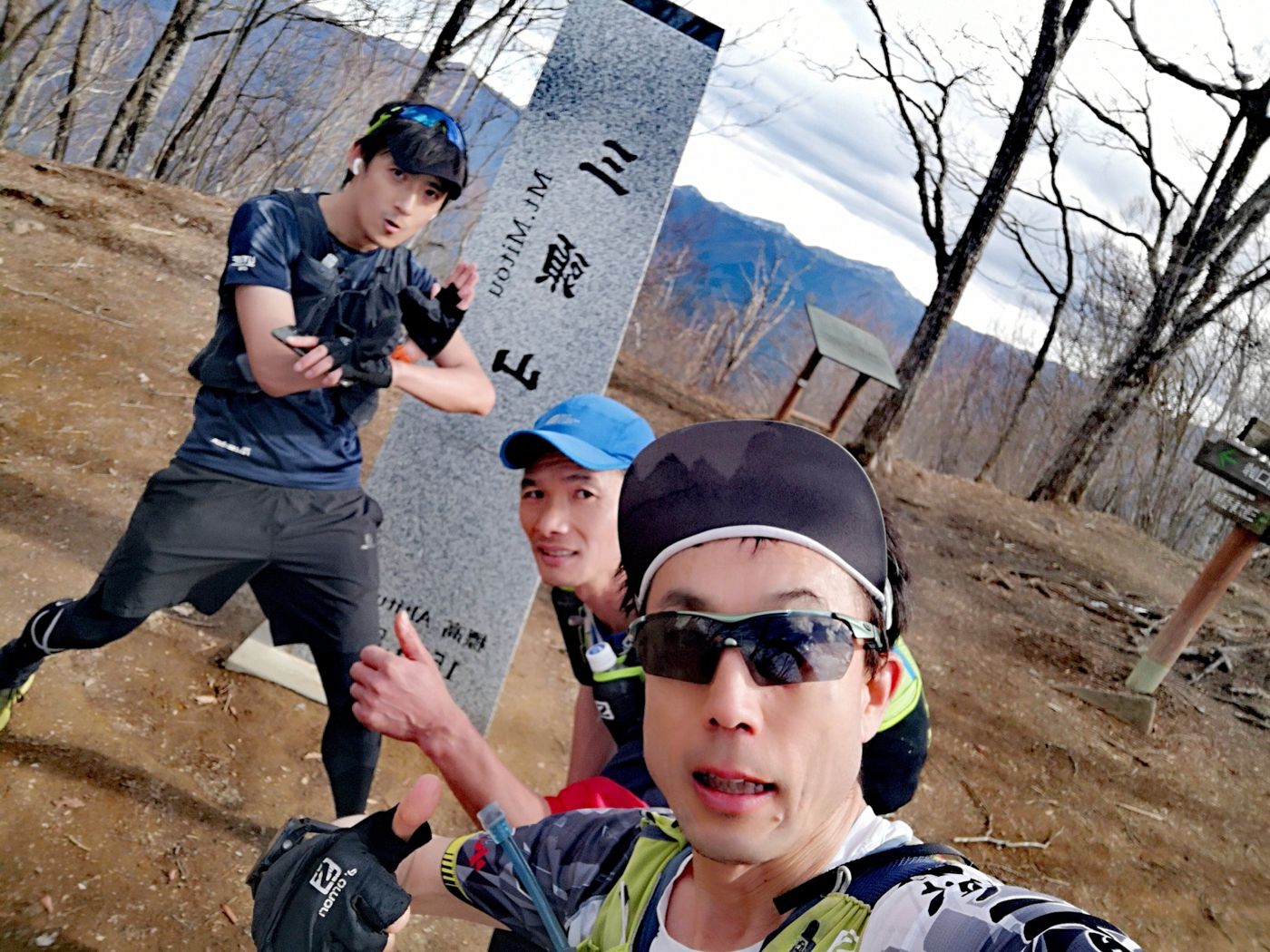
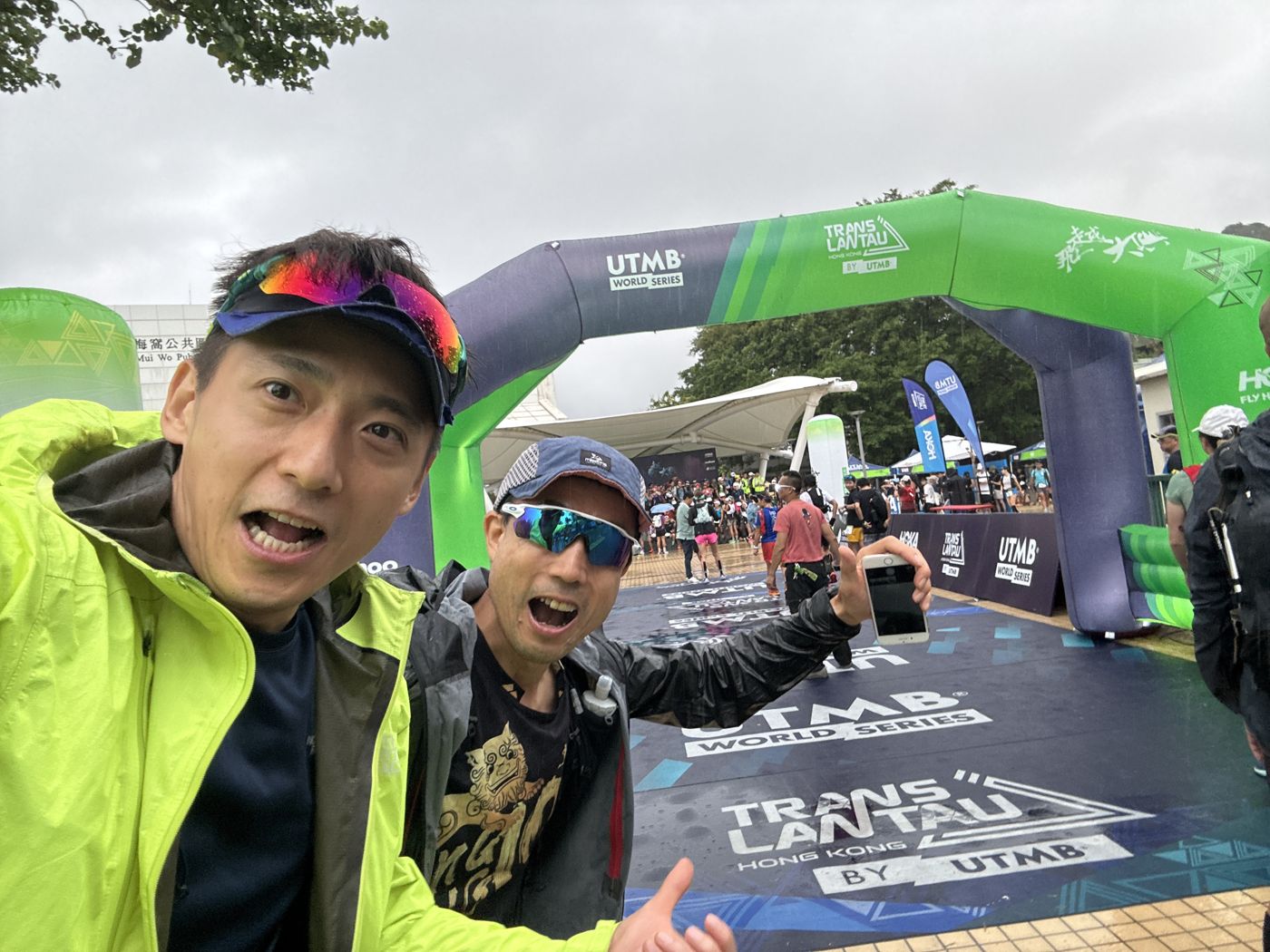
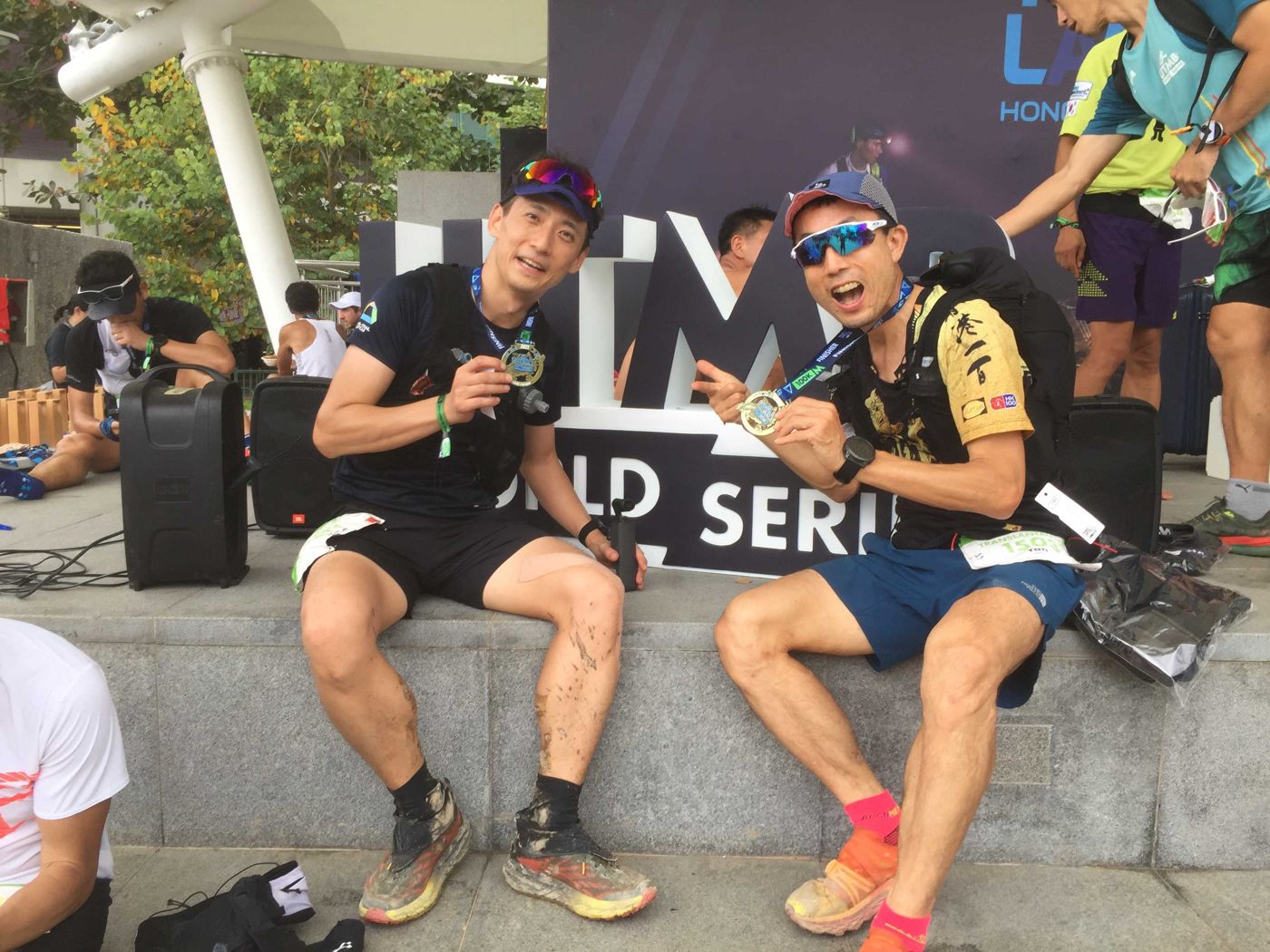
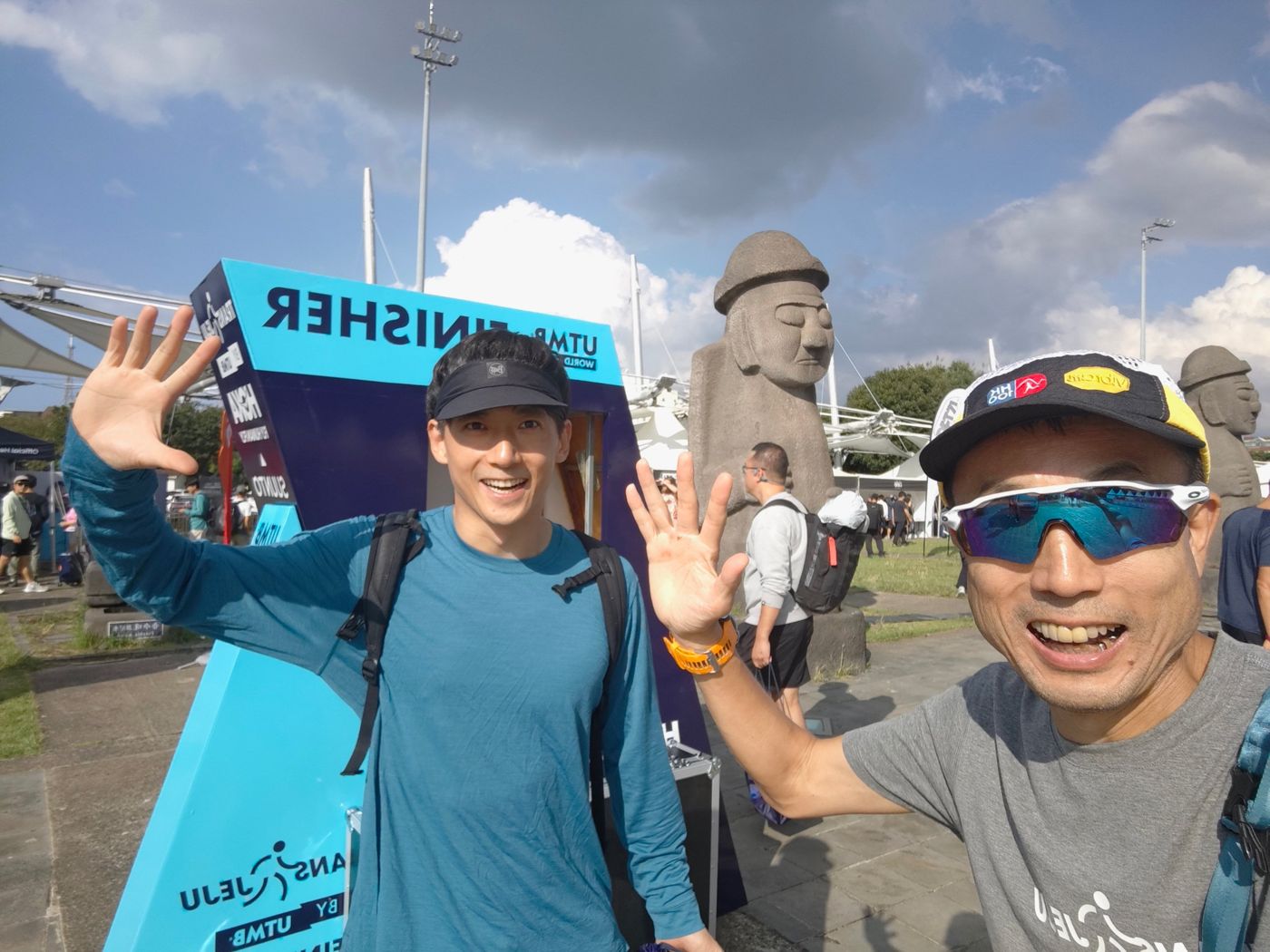
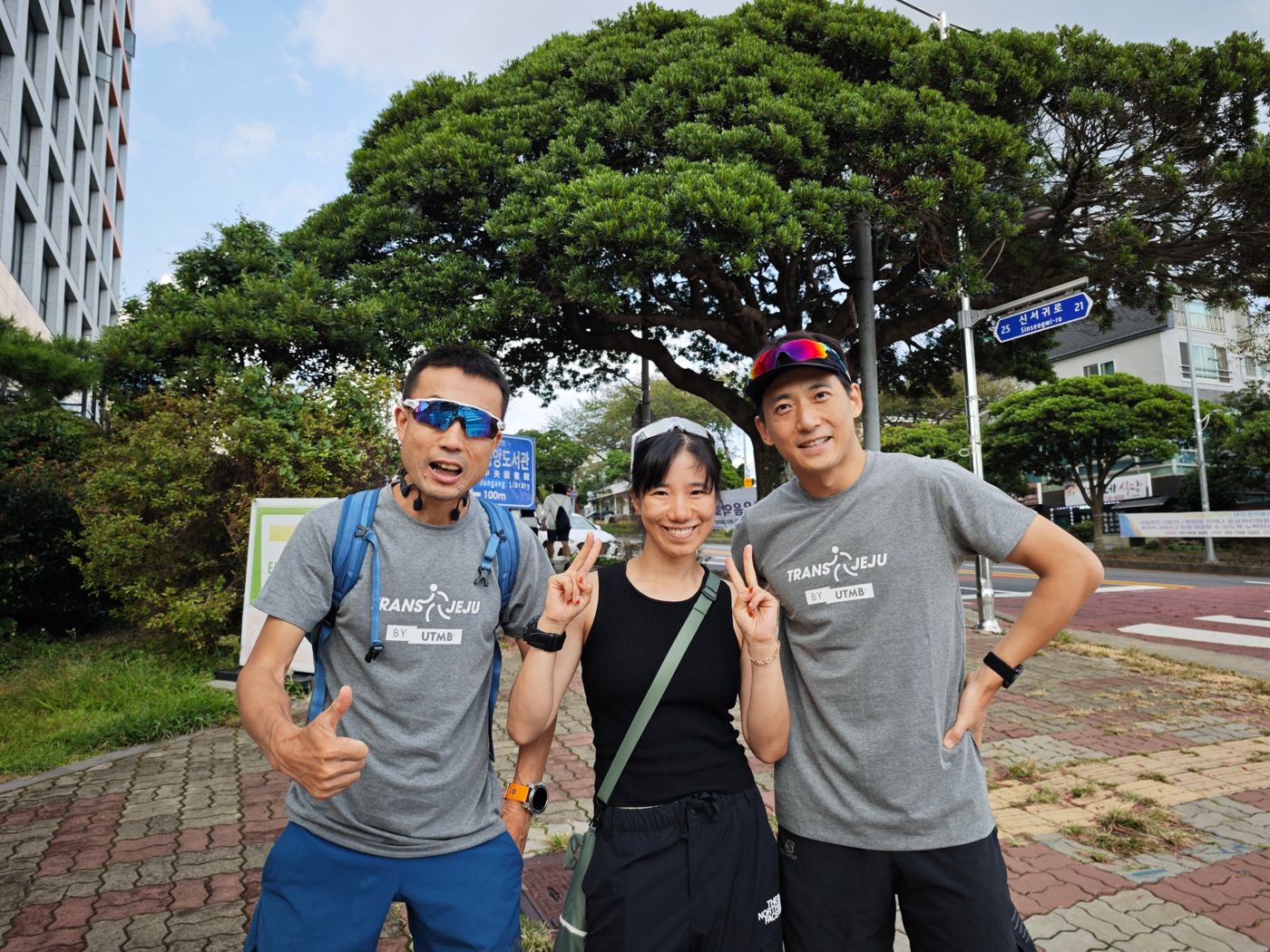
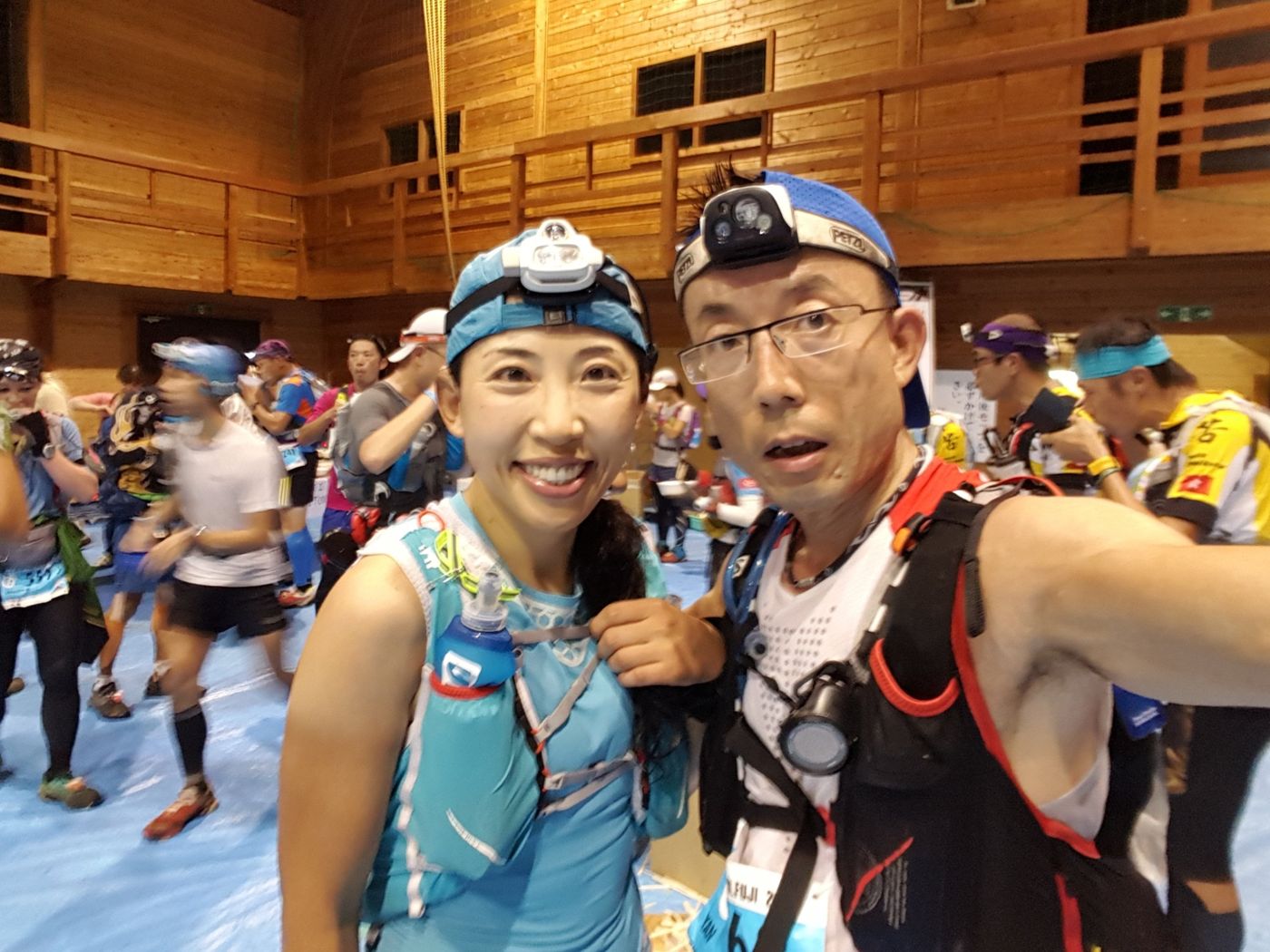
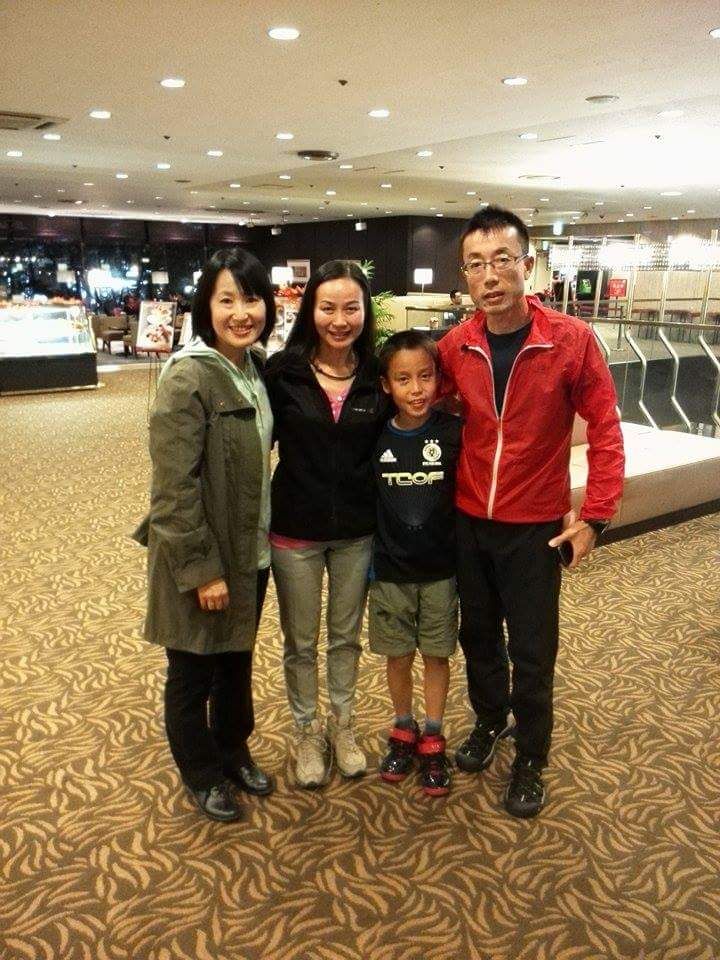
Quick mind, fast legs, generous temper. More training runs with him than with anyone; more nights on the trail, more summits, more hard sections of Fuji, several of the eighteen Hasetsune runs. In 2019 at Shinetsu, the race separated us; at Trans Lantau and Trans Jeju, it brought us back to the same finish.思维敏捷、速度耐力都好、为人宽厚。和他一起训练的次数比谁都多:最多的夜路、最多的山顶、富士山最难的那几段,还有好几次长谷川。2019 年信越五岳,比赛把我们分开;在大屿山和济州岛,比赛又把我们送到同一个终点。
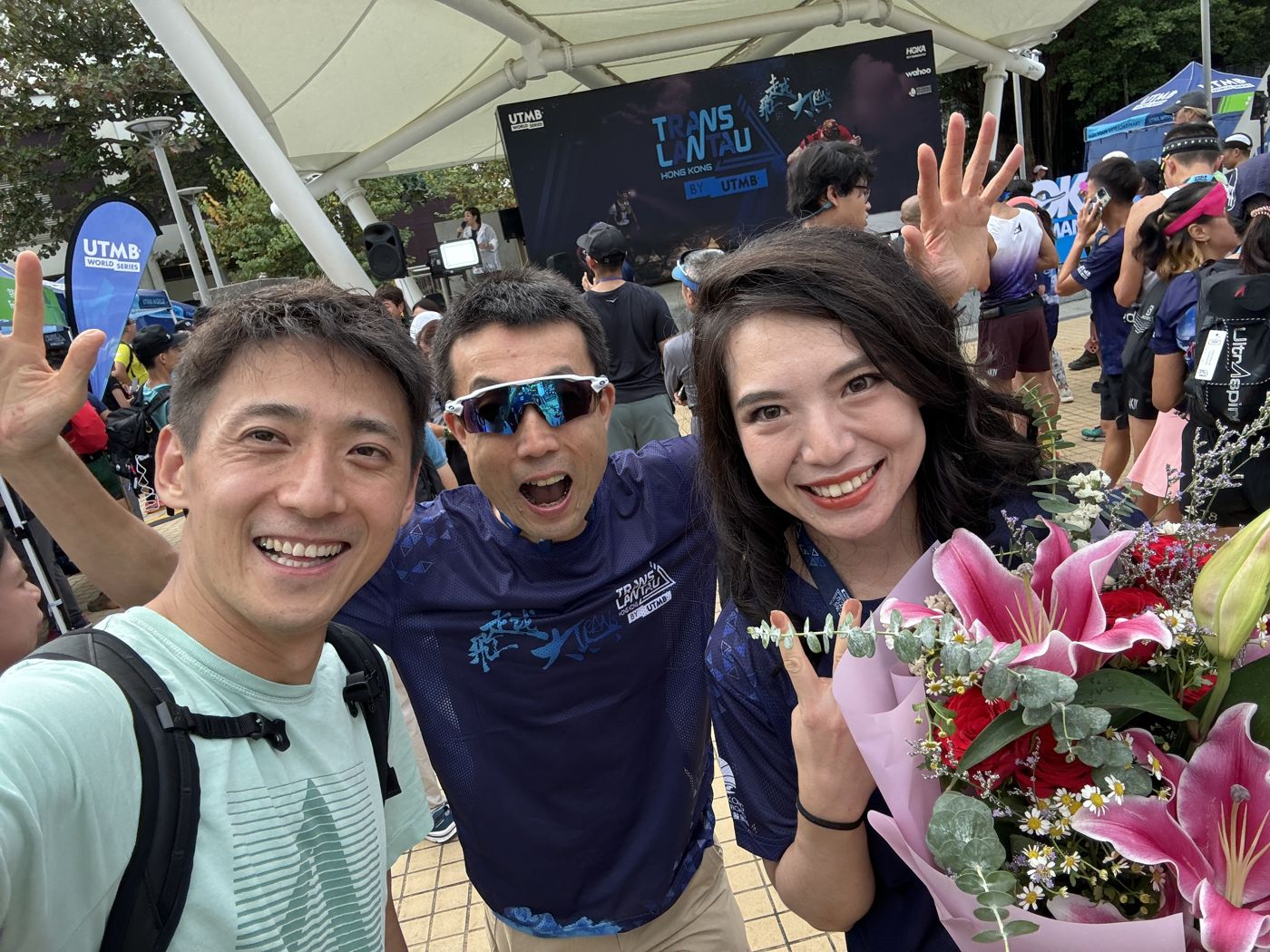
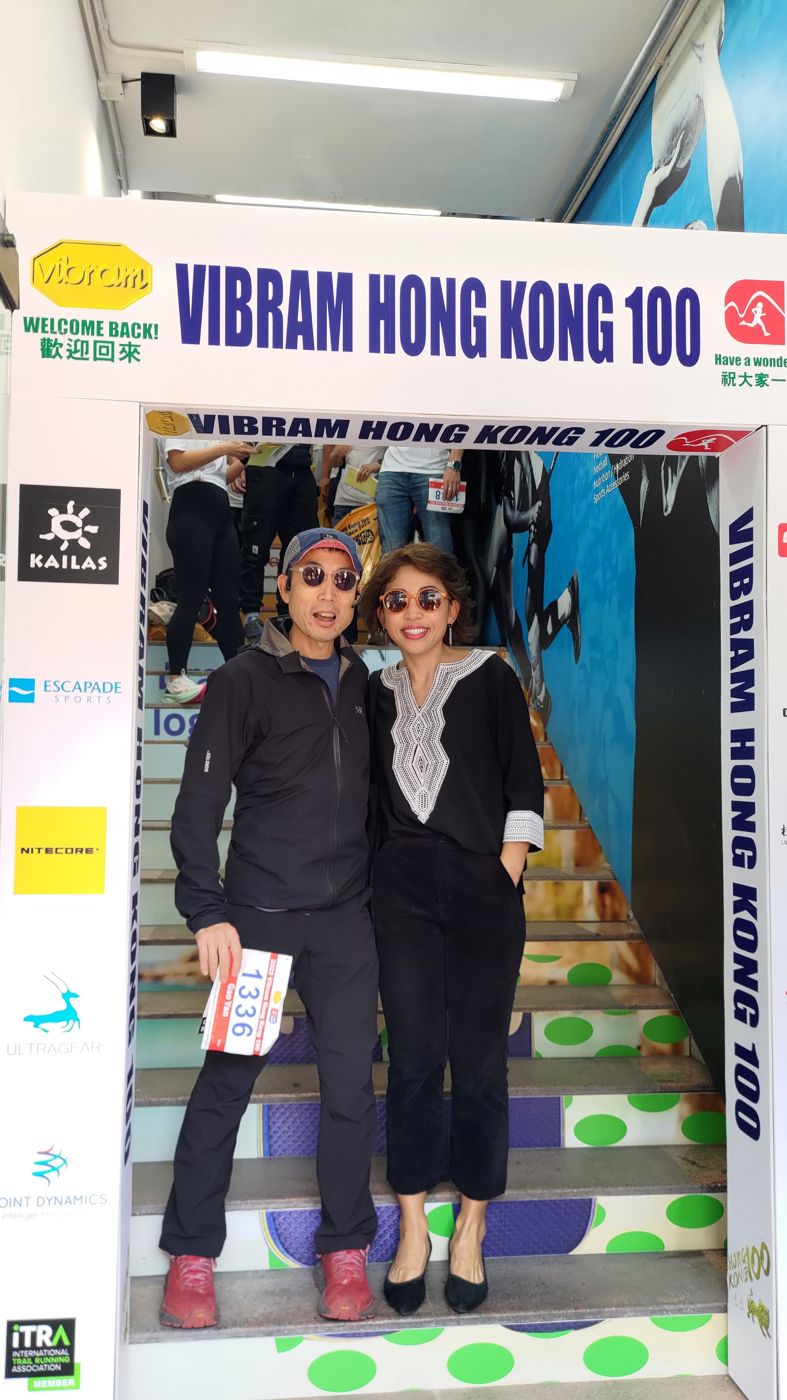
Xiao Ya
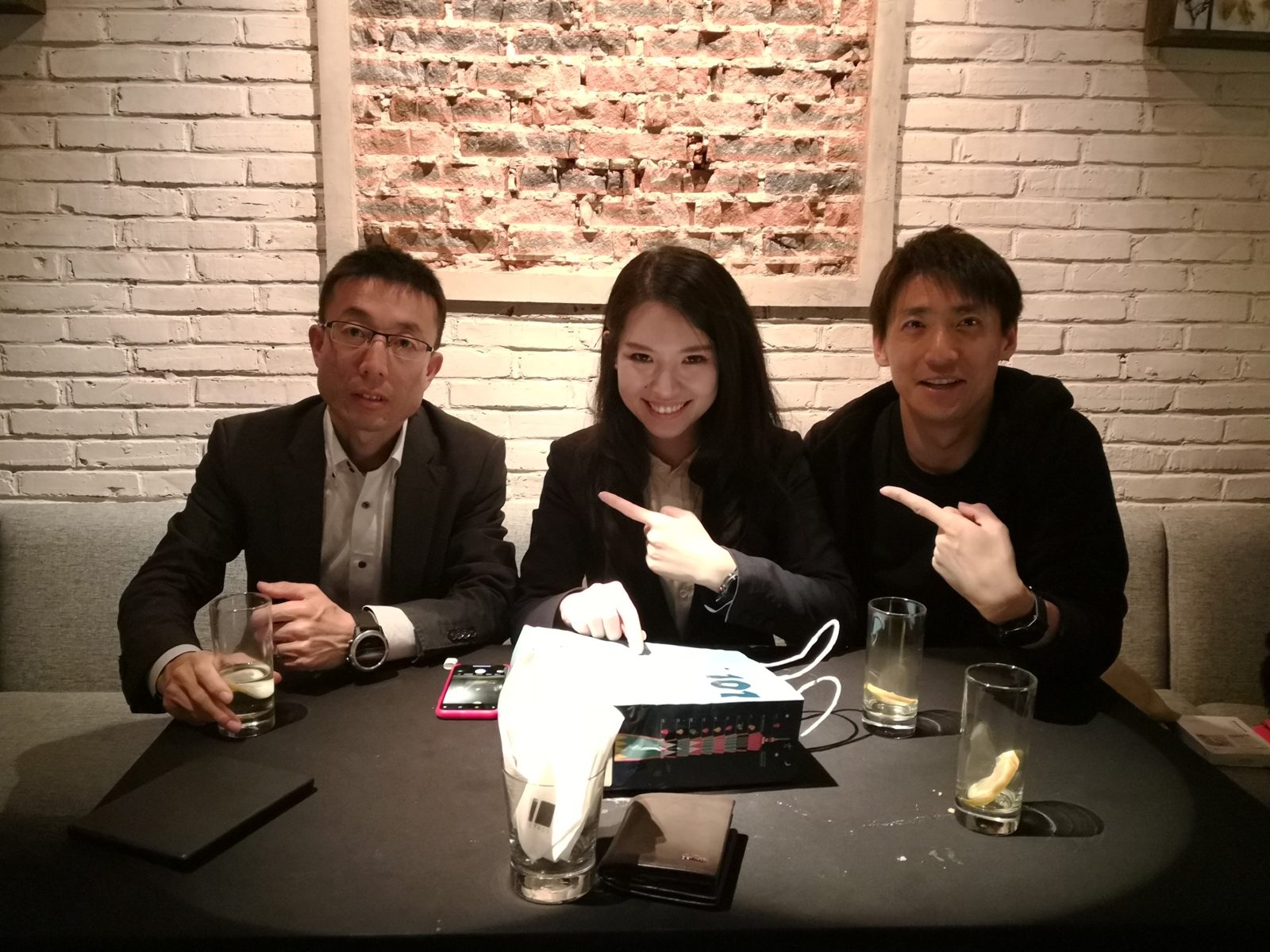
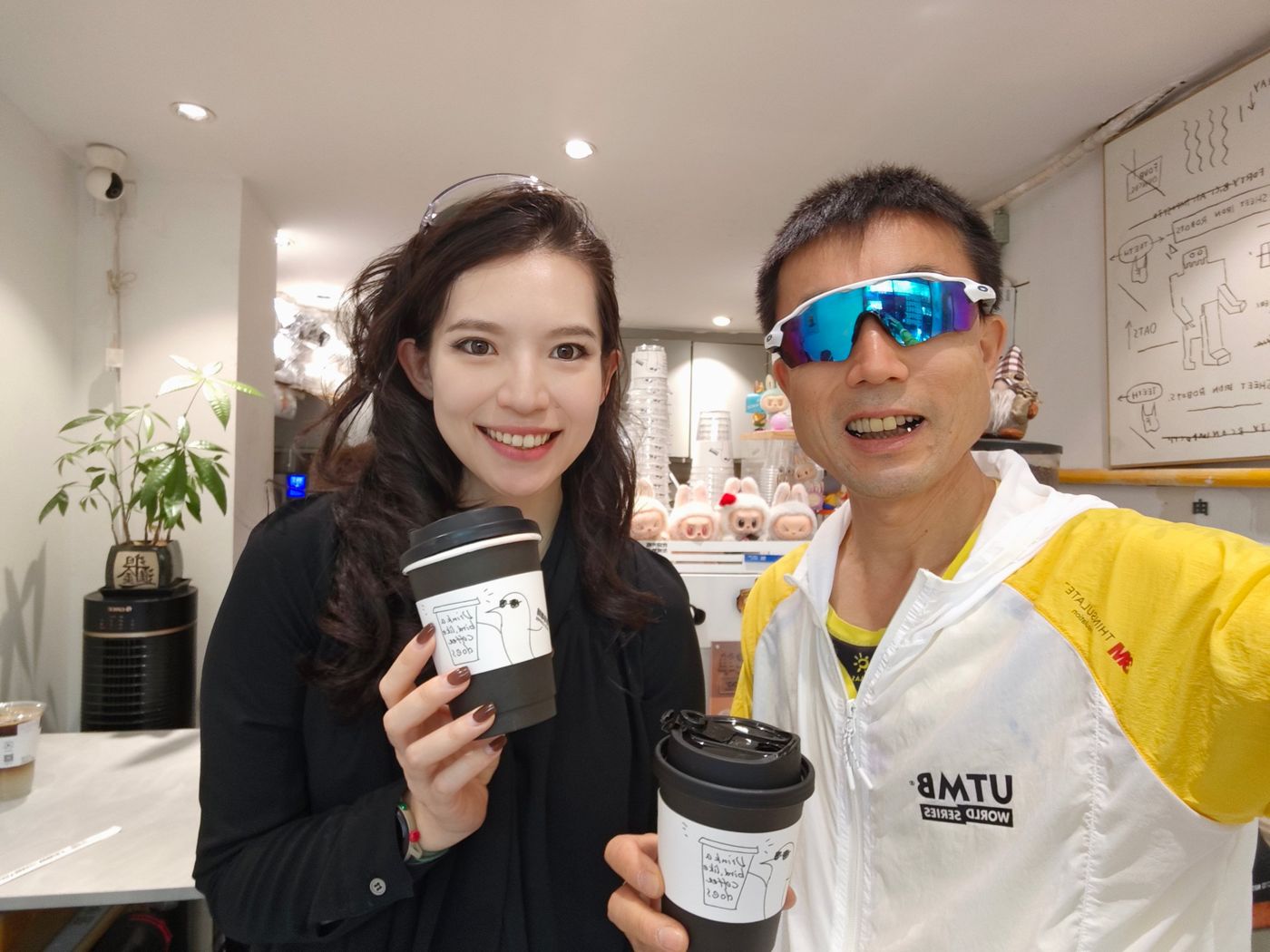
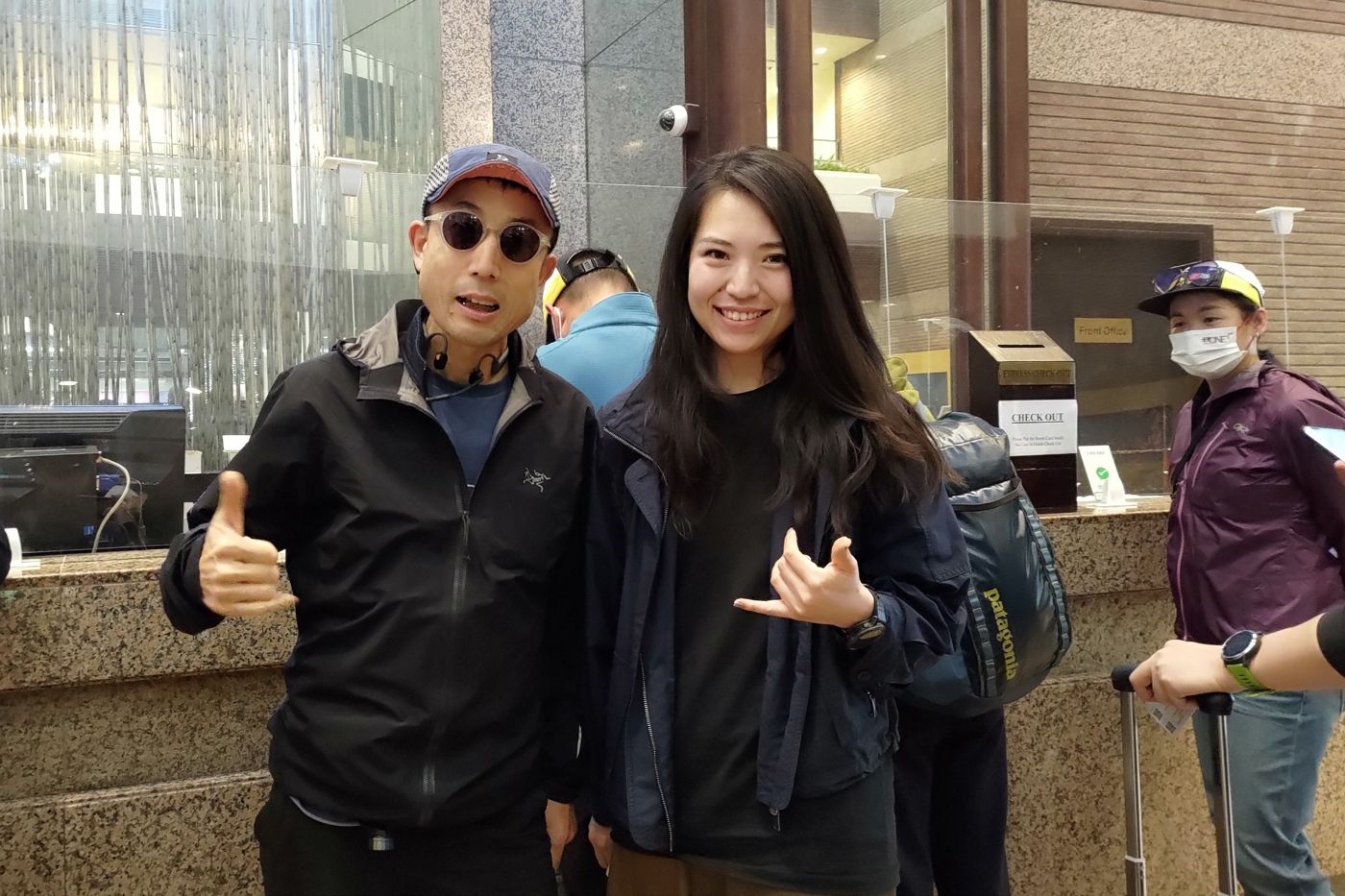
First met in 2015. Races, long nights and training together; and over coffee, every time, the conversations that go further than the run. Driven, and accomplished in her own field. On the trail too: first woman at the Dajingmen Ancient Great Wall 100K, May 2024.2015 年初识。一起比赛、一起熬过长夜、一起训练;每次喝咖啡,都会聊得比跑步更远。上进,在自己的领域很有成就。赛道上也是:2024 年 5 月大境门古长城越野赛百公里组女子第一。
Shanhu · 珊瑚
One of the defining figures of Chinese women's trail running. In 2014 she finished the Tor des Géants in Italy, 330 km and about 24,000 m of climbing, in 132 hours, the first woman from mainland China to do so. In 2017 she made a speed ascent of Muztagh Ata, 7,546 m, in 14.5 hours. In 2016 she started a children's trail race in Dali, later run in Beijing, Shanghai and other cities.中国女子越野最具代表性的人物之一。2014 年完赛意大利巨人之旅(TDG),330 公里、累计爬升约 2.4 万米,用时 132 小时,是第一位完成这项赛事的中国大陆女性。2017 年用 14.5 小时速攀海拔 7,546 米的慕士塔格峰。2016 年在大理创办少儿越野赛,之后办到北京、上海等城市。
Optimistic, generous, and the one who led me from running into trail racing. First met at a runners' gathering in Beijing. During the pandemic she ran a 24-hour live broadcast on how to keep living and keep going outdoors when the world had stopped, and invited me on as a guest for a few minutes.乐观、积极,是把我从跑步领进越野赛场的引路人。第一次见面是在北京的一次交流会上。疫情期间,她做了一场 24 小时直播,讲世界停下来的时候怎样继续生活、继续户外,邀请我做了几分钟的嘉宾。
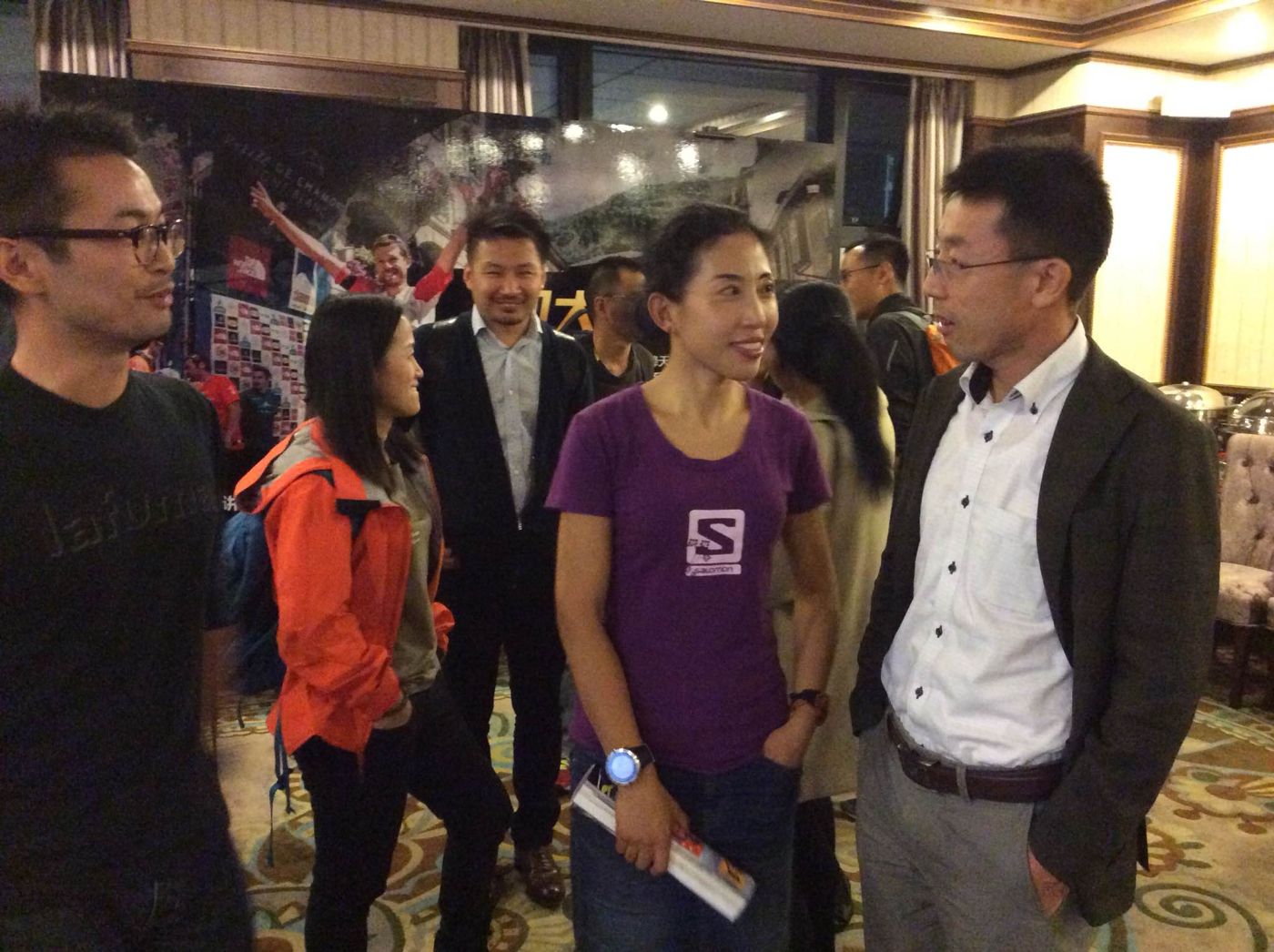
Xiao Shandong · 小山东
A university classmate. For more than ten years, whenever the road passed through Jinan, there was one meeting that never got skipped.大学同学。十几年来,只要路过济南,就一定要见一面。
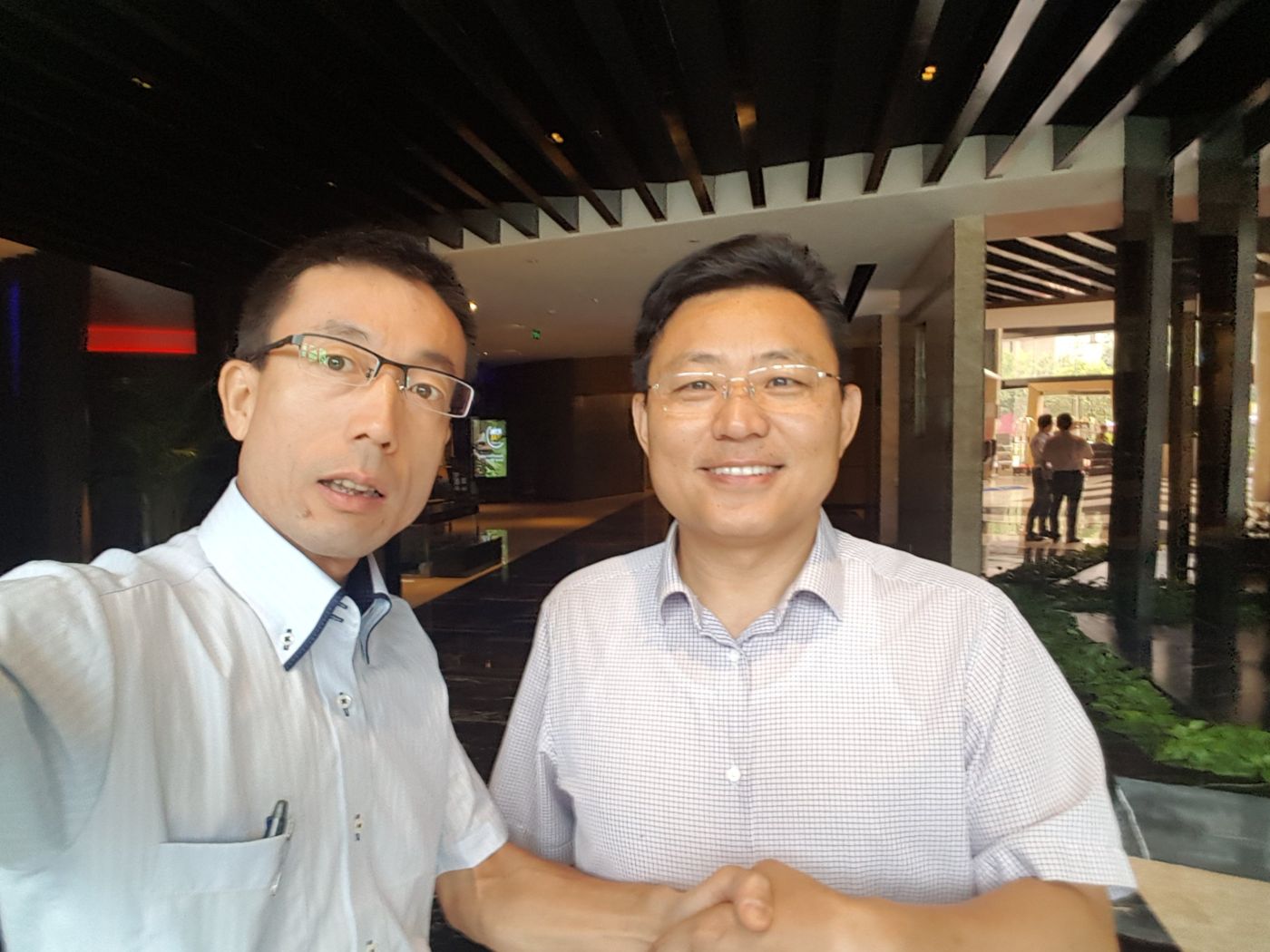
Yanase-san
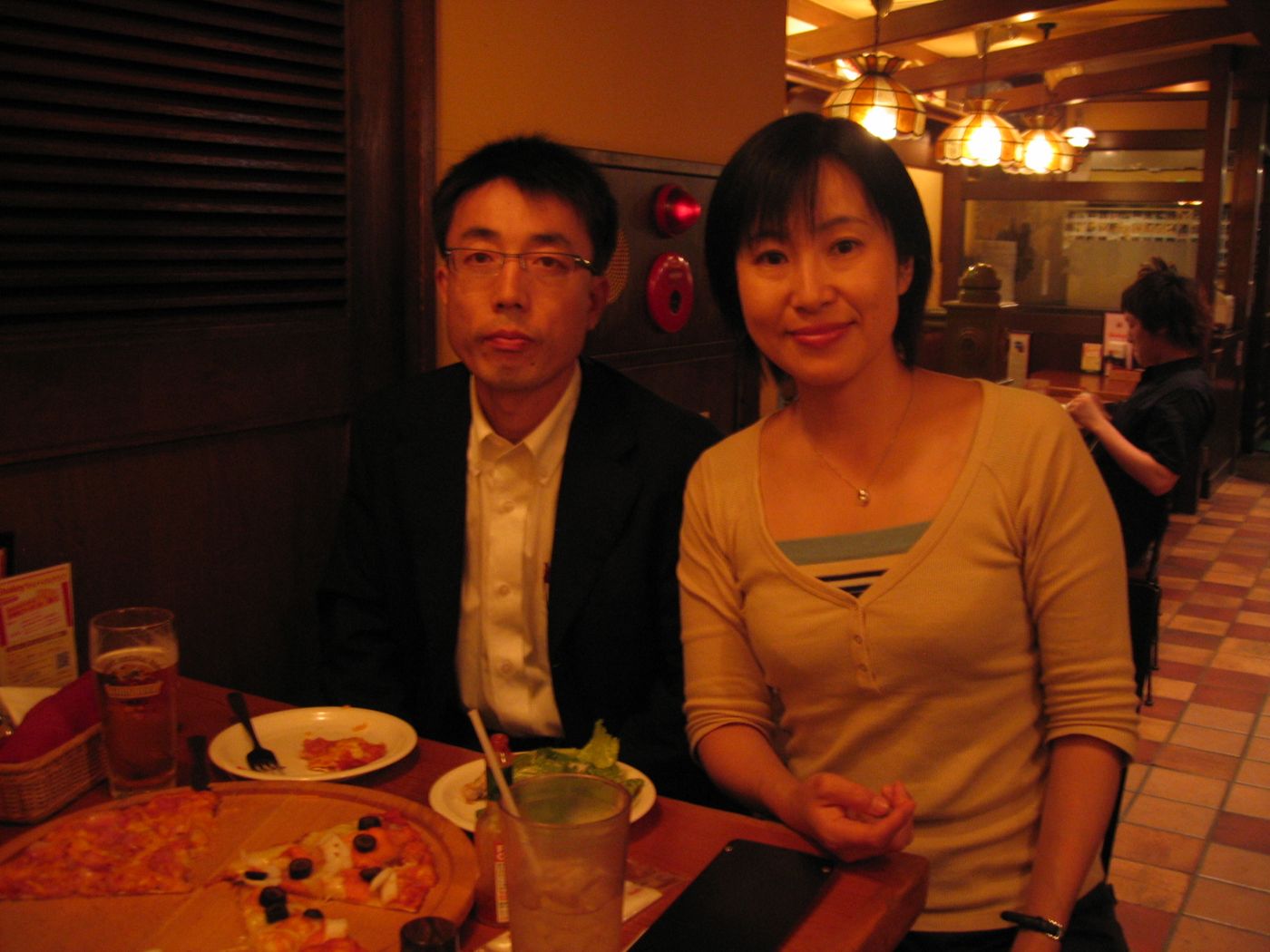
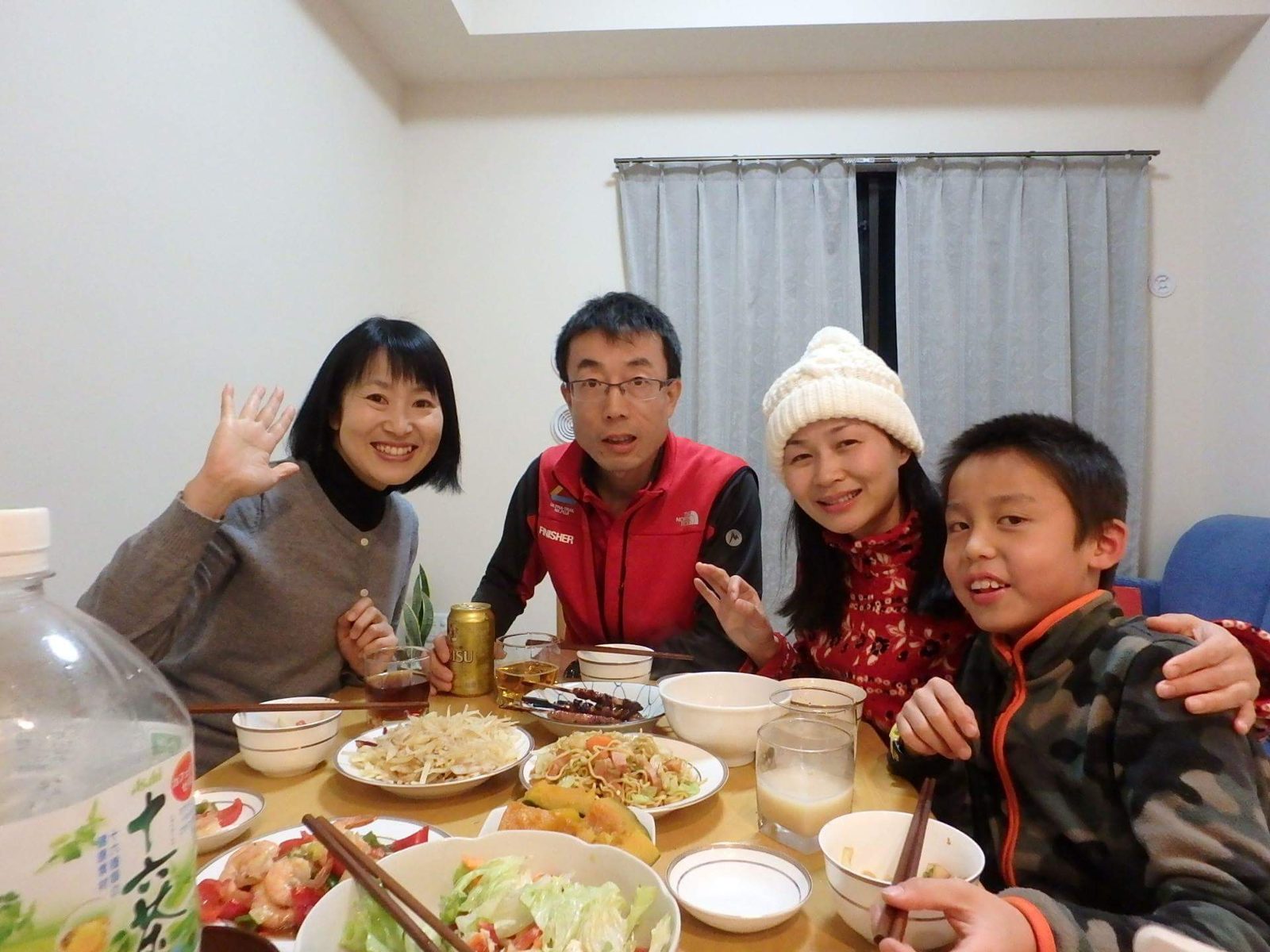
My Japanese teacher in 1999 and 2000, in the Iizuka years in Kyushu, when I worked part-time and studied there. Then a friend for a quarter of a century. The friendship kept finding a table: Tokyo, Fukuoka, and our home.1999 到 2000 年,九州饭冢时代我的日语老师,那时我在那里打工、读书。之后成了二十多年的朋友。这份友情一直能找到一张餐桌:东京、福冈,还有我们家。
Prologue · 1998 – 2004序章 · 1998 – 2004
The running started in 2004. The leaving started earlier: into a world where nothing was familiar.跑步从 2004 年开始。出走更早:走进一个什么都陌生的世界。
Arrived in Japan in December 1998. A new language, part-time work, study in Kyushu.1998 年 12 月来到日本。新的语言,打工,在九州读书。
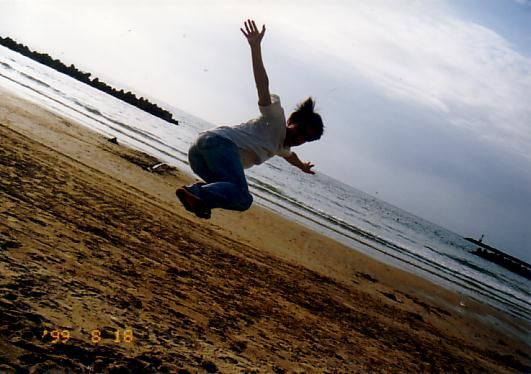
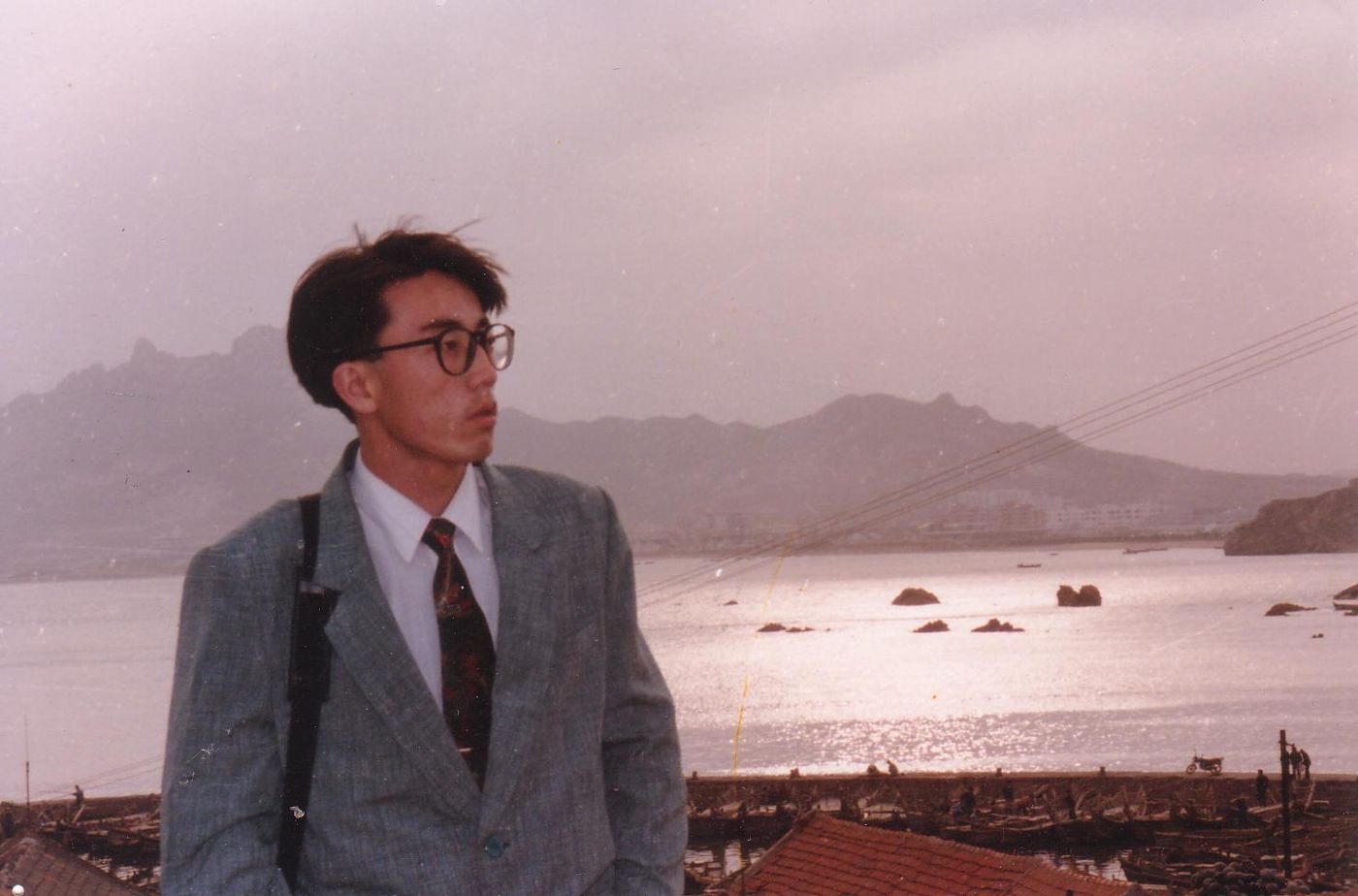
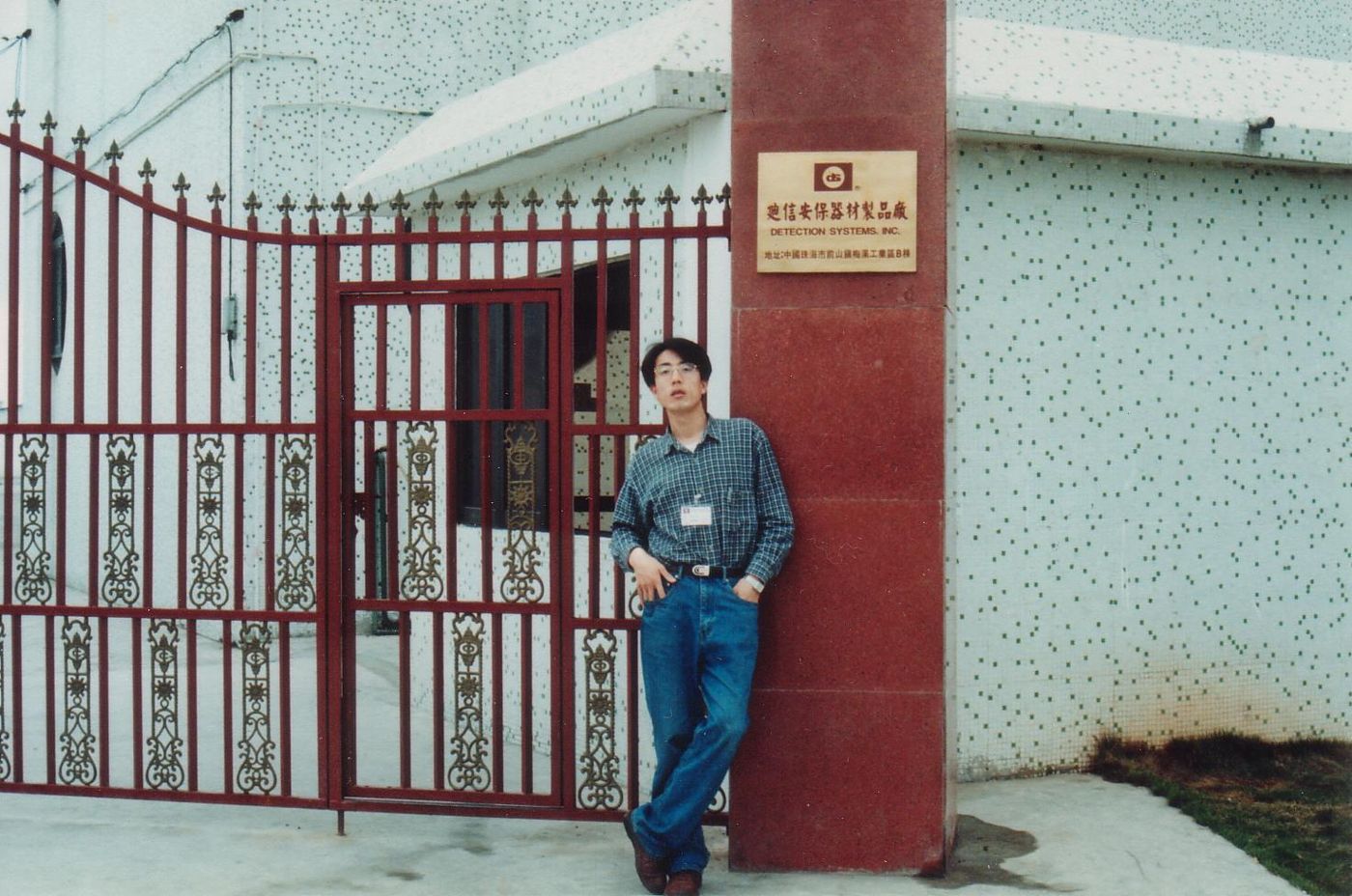
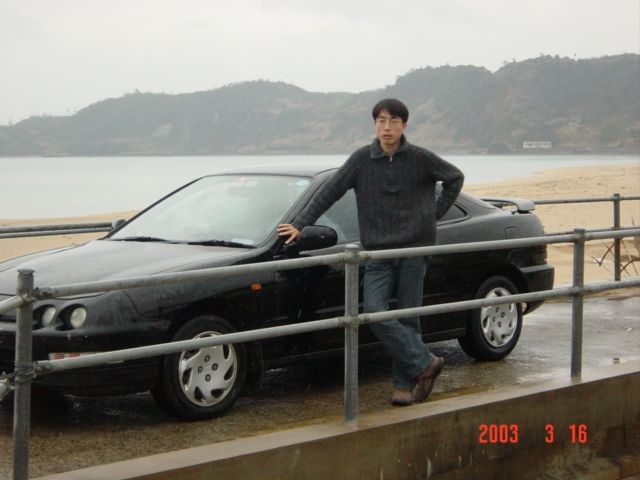
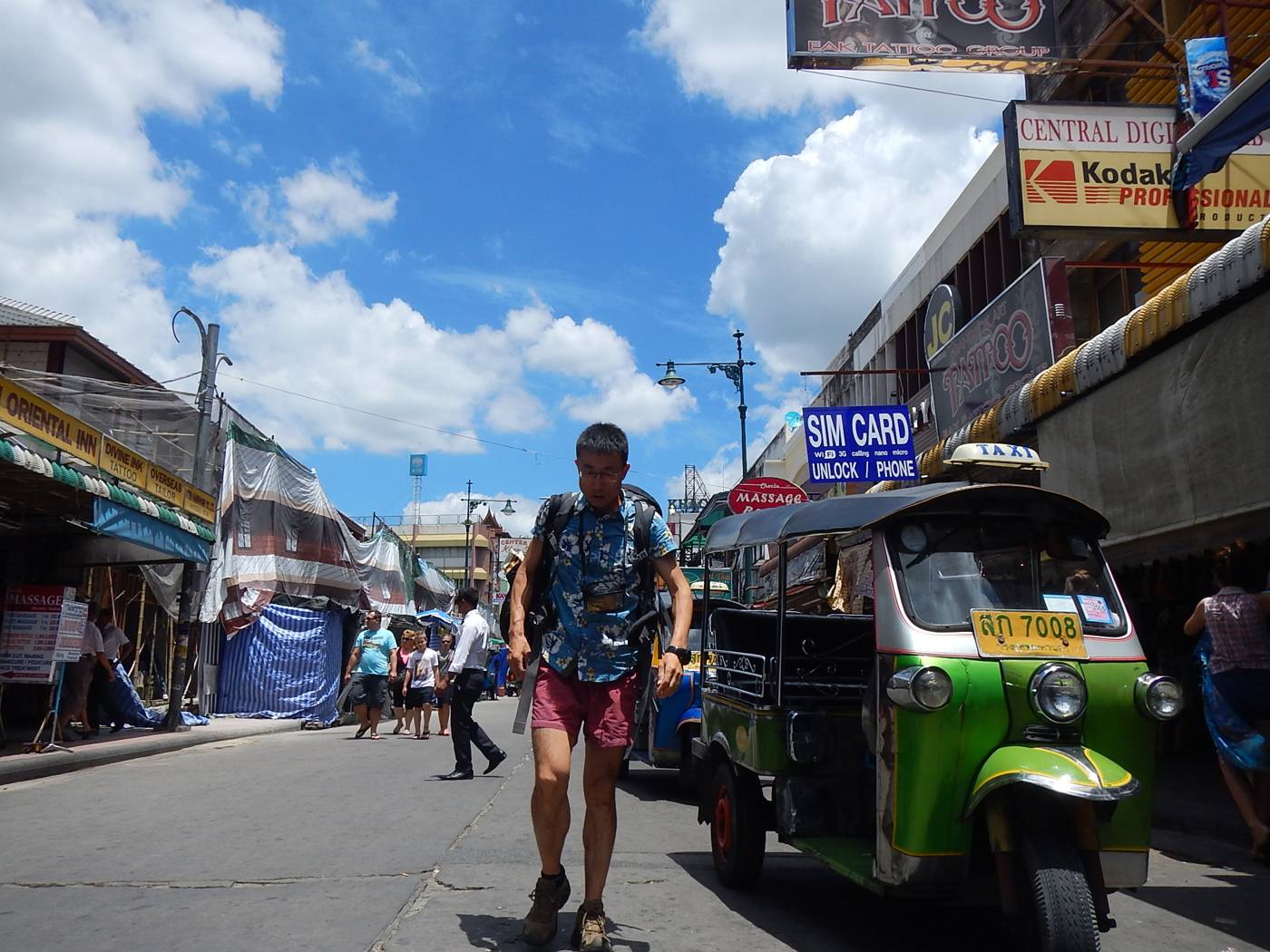
Beyond China and Japan for the first time: Malaysia, then Thailand. Not a holiday. A step into a world where nothing was familiar.第一次走出中国和日本之外:马来西亚,然后泰国。不是度假,是走进一个什么都陌生的世界。
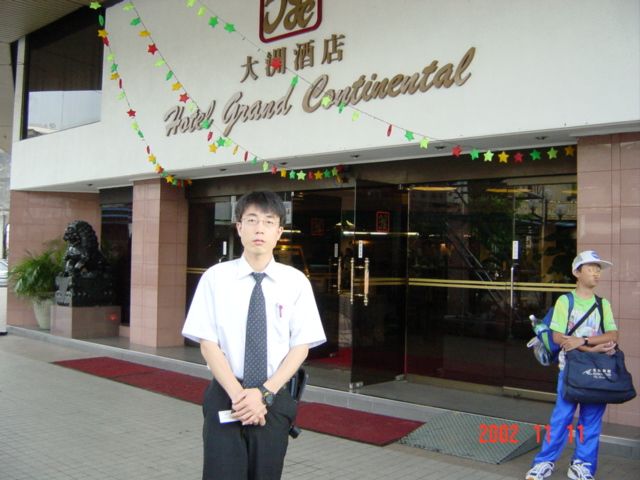
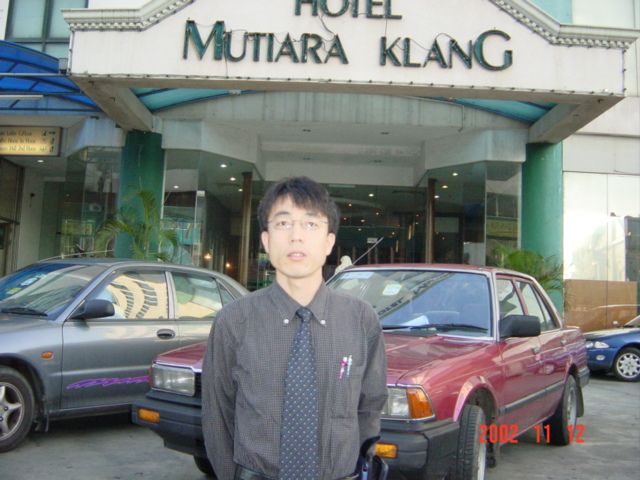
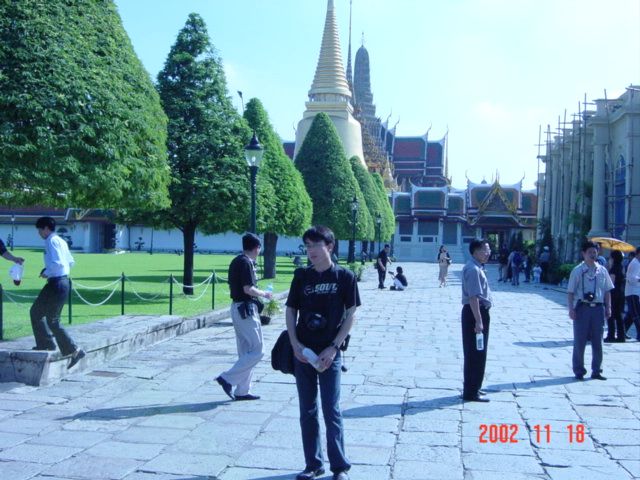
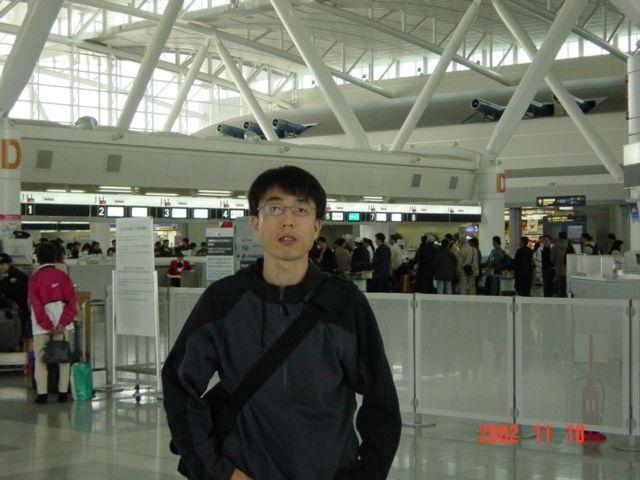
Something was lost. Leaving the country was a way to begin again. This chapter will be written when it is ready.失去过一些东西。走出国门,是为了重新开始。这一章,等准备好了再写。
← Back返回